
Central Iowa Service Area
Serving 14 Counties Around Des Moines
14 Central Iowa Counties, One Way of Building
We work every county on this map from our home base in West Des Moines. The rules change at each county line. Some counties inspect every footing. Others have adopted no building code at all outside city limits.
We build to the IRC either way, pull the permits the job needs, and tell you up front which office reviews your project. Pick your county to see the cities we cover.
Polk County
- County seat
- Des Moines
- Population
- 516,546
- Median home built
- 1982
- Land area
- 573 sq mi
Our home base, and home to more than half a million people. Each city here issues its own permits, and three IRC editions are in force across the county at once. West Des Moines is still on 2015, while Des Moines and Ankeny run 2024. Outside city limits, Polk County Building Services reviews and inspects the work itself. The median home dates to 1982, so most projects start with an established house.
Cities we cover
Des Moines, West Des Moines, Ankeny, Urbandale, Johnston, Clive, Altoona, Grimes, Bondurant, Polk City, Pleasant Hill, Mitchellville, Windsor Heights
Dallas County
- County seat
- Adel
- Population
- 118,457
- Median home built
- 2006
- Land area
- 588 sq mi
The fastest-growing county in Iowa, up 18.8 percent since 2020. The median home was built in 2006, the newest housing of any county we serve. Rural plans are reviewed against the 2006 I-Codes, so a design drawn to a current IRC can need changes before the county signs off. Septic goes to Dallas County Environmental Health, a separate office from Planning and Development.
Story County
- County seat
- Nevada
- Population
- 101,291
- Median home built
- 1984
- Land area
- 573 sq mi
Two markets in one county. Iowa State enrolls 31,105 students, and only 42.1 percent of Ames homes are owner-occupied. In seven near-campus neighborhoods, Ames froze rental occupancy in 2018, so a new basement bedroom does not add a legal tenant. Nevada, the county seat, runs 71.9 percent owner-occupied. Outside city limits the county has no building code and checks siting, never structure.
Warren County
- County seat
- Indianola
- Population
- 57,331
- Median home built
- 1985
- Land area
- 570 sq mi
Where the metro turns into acreages. Warren County is the second-fastest-growing county in Iowa since 2020, and 82.3 percent of homes are owner-occupied. Rural zoning sets a two-acre minimum lot for a home that is not a farm. The county has adopted no building code and employs no inspector, so on rural land we hold the job to the IRC ourselves.
Cities we cover
Indianola, Norwalk, Carlisle, Martensdale, New Virginia, Liberty Center, Cumming, Hartford
Boone County
- County seat
- Boone
- Population
- 26,799
- Median home built
- 1960
- Land area
- 570 sq mi
Remodeling country. The median home here was built in 1960, and about 37.9 percent of the housing predates 1940. Expect older wiring, stone and block foundations, and basements with low ceilings. The City of Boone runs its own building department. Outside city limits, the county issues a zoning permit but has adopted no building code, so nobody inspects the structure.
Guthrie County
- County seat
- Guthrie Center
- Population
- 10,782
- Median home built
- 1968
- Land area
- 591 sq mi
A lake county. Lake Panorama holds 88.4 percent of the county’s seasonal homes, and its houses run a generation newer than the county’s 1968 median. Lake lots are not part of Panora: county zoning applies, and the Lake Panorama Association runs its own permit review on top. Guthrie Center states plainly that it does not check building codes. Panora inspects to the 2021 editions.
Cities we cover
Guthrie Center, Panora, Stuart, Jamaica, Yale, Diamondhead Lake, Lake Panorama, Menlo
Marshall County
- County seat
- Marshalltown
- Population
- 39,890
- Median home built
- 1958
- Land area
- 573 sq mi
Storm country. An EF3 tornado cut through Marshalltown on July 19, 2018, and the August 2020 derecho hit 99 mph at the airport. Both struck homes that were already old. The median home here was built in 1958. Marshalltown reviews work against the 2021 IRC. Outside city limits the county publishes no building code, so we call Planning and Zoning before we break ground.
Cities we cover
Marshalltown, State Center, Melbourne, Haverhill, Ferguson, Rhodes, Albion, Le Grand
Jasper County
- County seat
- Newton
- Population
- 38,153
- Median home built
- 1965
- Land area
- 730 sq mi
Jasper breaks the rural pattern. The county adopted a building code and inspects in house, with four inspections from footings to final. That code is the 2006 edition, while Newton runs the 2015 editions and contracts its inspections to Veenstra and Kimm, now part of Kleinfelder. The median home went up in 1965, and about 26.8 percent predates 1940.
Marion County
- County seat
- Knoxville
- Population
- 34,192
- Median home built
- 1975
- Land area
- 554 sq mi
Two cities with two sets of rules. Pella runs the 2021 IRC and inspects in house. Knoxville, the county seat, contracts inspections to Veenstra and Kimm, now part of Kleinfelder. Outside city limits the county has adopted no building code, so nobody inspects the structure. A rural new home needs a county zoning permit, and septic approval has to land first.
Madison County
- County seat
- Winterset
- Population
- 17,270
- Median home built
- 1977
- Land area
- 561 sq mi
The median home went up in 1977, but 26 percent of the stock predates 1940, and those houses need different work. Winterset, the county seat, reviews remodels under the 2021 existing building code, and Veenstra and Kimm inspects. Outside city limits the county zones land but has adopted no building code, so nobody checks footings, framing or final.
Cities we cover
Clarke County
- County seat
- Osceola
- Population
- 9,574
- Median home built
- 1975
- Land area
- 431 sq mi
Osceola, the county seat and largest city, takes the whole residential permit application and payment online. The city reviews plans against the 2021 IRC and inspects in house. Outside city limits Clarke County has adopted no building code and names no inspector. We build to the IRC there anyway and set footings below the 42-inch frost line.
Cities we cover
Lucas County
- County seat
- Chariton
- Population
- 8,847
- Median home built
- 1962
- Land area
- 431 sq mi
Older housing, older code. The median home went up in 1962, and 37.5 percent of the stock predates 1940. Chariton, the county seat, still reviews work against the 2009 code editions and inspects in house. The county lists no planning and zoning department, so on rural ground the septic design often decides where a new house can sit.
Cities we cover
Adair County
- County seat
- Greenfield
- Population
- 7,403
- Median home built
- 1958
- Land area
- 569 sq mi
Greenfield, the county seat, is still rebuilding after the EF4 tornado of May 21, 2024. The median home in the county went up in 1958, and about 37.2 percent predates 1940. The county has adopted no zoning ordinance and no building code, so on rural ground we hold the job to the IRC ourselves. Safe rooms and storm shelters fit inside our additions work.
Cities we cover
Greene County
- County seat
- Jefferson
- Population
- 8,658
- Median home built
- 1954
- Land area
- 570 sq mi
The oldest housing of any county we serve. The median home went up in 1954, and about 36.5 percent predates 1940. Jefferson, the county seat, inspects in house against the 2024 IRC, the newest residential code of any city we serve. Outside city limits the county has adopted no building code and names no inspector, so we hold the job to the IRC.
Cities we cover
Population: U.S. Census Bureau 2025 county estimates. Median year built: American Community Survey 2020 to 2024. Land area: 2024 Census Gazetteer. Permit and code details come from each county and city office and change over time, so we confirm them on every project.
- Achievement
Your Project, Our Passion.
Since 2020, 1,285+ Central Iowa homeowners have trusted us to build their dreams, and it shows.









Quality Construction at the Right Price.
Additions
Based on Average Pricing in Des Moines.
- Additional Story
- Tornado Shelter
- Living Room
- Bedroom
- Sunroom
- Bathroom
- Garage
- ADU
Kitchen Remodeling
Based on Average Pricing in Des Moines.
- Countertops
- Appliances
- Cabinetry
- Backsplash
- Islands
- Lights
Home Building
Based on Average Pricing in Des Moines.
- Custom Build
- Multi-Family
- Tiny Home
- Spec Build
- Frequently Asked Questions
FAQs About Our
Central Iowa
Service Area
How far do you travel for projects?
We work 14 Central Iowa counties from our base in West Des Moines, and most jobs sit within about 50 miles of Des Moines. County seats like Chariton, Greenfield and Jefferson run 54 to 65 miles out. There, a new build, a full remodel or a large addition justifies the drive. Call with your address and scope, and you will get a straight yes or no.
Do you handle permits in all service areas?
Yes.
We coordinate building permits regardless of which city or county your project is in.
Each municipality has different requirements, and we’re familiar with the permit processes throughout our service area, from Des Moines to rural Guthrie County.
Are your prices the same across all locations?
Our base pricing is consistent, but final costs may vary slightly based on location factors like travel distance, local permit fees, and material delivery logistics.
We provide detailed quotes specific to your project and location.
Do you offer free estimates in all service areas?
Yes.
We provide free on-site estimates throughout our entire service area.
Whether you’re in West Des Moines or Pilot Mound, we’ll come to your property to assess your project and provide a detailed quote at no cost.
How do I know if my city is in your service area?
Find your county on the map above. Each county card lists every city we cover, with a link to that city’s page. If your town is not listed, call us at 844-435-9800 with the address. We will tell you plainly whether we can take the job before you spend anything.
Do project timelines differ based on location?
Timelines are primarily determined by project scope, not location.
However, permit approval times vary by municipality.
Some smaller towns have faster turnaround, while larger cities may take longer.
We factor local permit timelines into every project schedule.
- Our Blog
Delivering Full-Service Construction Solutions
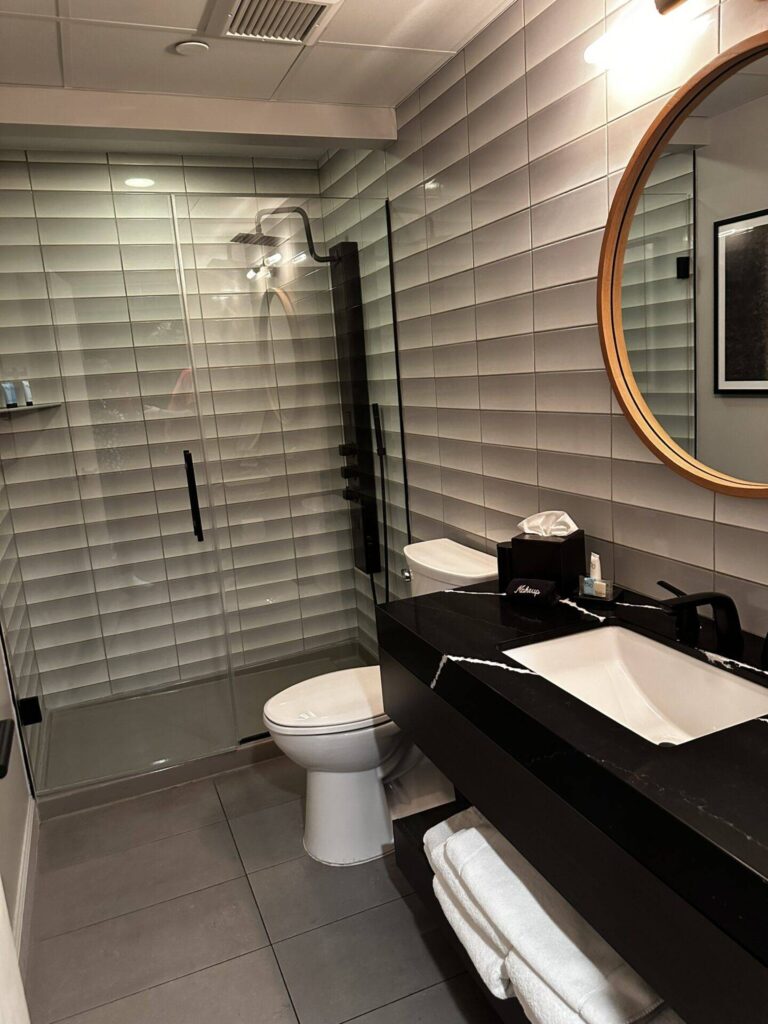
Bathroom Remodel Timelines in Urbandale: Why a Two-Week Estimate Becomes Four
Read MoreTwo to three weeks on site inside a five to eight week window. Here is what stretches an Urbandale bathroom remodel and how to keep the schedule honest.Two to three weeks on site inside a five to eight week window. Here is what stretches an Urbandale bathroom remodel and how to keep the schedule honest.Two to three weeks on site inside a five to eight week window. Here is what stretches an Urbandale bathroom remodel and how to keep the schedule honest.
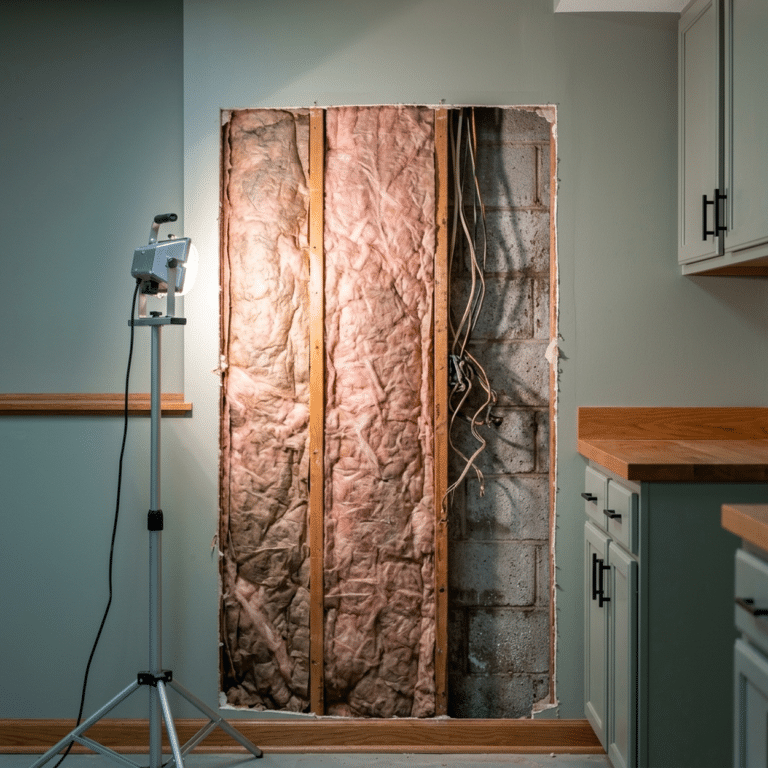
Remodeling an Already-Finished Basement: What Is Worth Redoing
Read MoreA badly finished basement is a different project from a bare one. What is behind the walls, what to keep, and when to strip it to the studs.A badly finished basement is a different project from a bare one. What is behind the walls, what to keep, and when to strip it to the studs.A badly finished basement is a different project from a bare one. What is behind the walls, what to keep, and when to strip it to the studs.
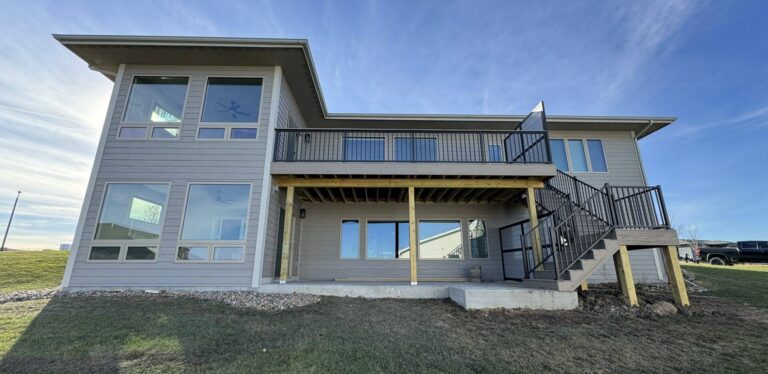
ADU vs Basement Suite for Aging Parents in West Des Moines
Read MoreAn ADU or a basement suite for a parent moving in? Iowa SF 592, costs, appraisal treatment and step-free access compared for West Des Moines.An ADU or a basement suite for a parent moving in? Iowa SF 592, costs, appraisal treatment and step-free access compared for West Des Moines.An ADU or a basement suite for a parent moving in? Iowa SF 592, costs, appraisal treatment and step-free access compared for West Des Moines.