The conversation usually starts the same way. A parent is getting older. The family wants them nearby but not sharing a kitchen. Someone brings up the idea of an in-law suite, and then the questions pile up: Is it legal? What does it cost? What happens if we want to rent it out someday? Can any contractor do it?
This guide answers all of those questions for Central Iowa homeowners in 2026, using Iowa-specific law, verified costs, and an honest look at both the possibilities and the limits.
This article provides general planning information only. Zoning regulations, ADU rules, and Iowa law change frequently. Nothing in this article constitutes legal, tax, or financial advice. Always consult your local planning department and a qualified attorney or tax professional before making decisions about an in-law suite or ADU. Cost figures are planning estimates that vary significantly by project scope, site conditions, and contractor.
TLDR: A basement conversion to an in-law suite in Central Iowa typically runs $30,000 to $75,000. A main-floor addition or detached structure runs $100,000 to $200,000 or more. Iowa SF 592, signed in May 2025, gives every homeowner in a single-family zone the legal right to build an ADU — but municipalities still control setbacks, design, and short-term rental use. The first step before budgeting anything is to contact your city’s planning department. If rental income is part of the plan, the second step is to engage a qualified attorney and a tax professional.
What Iowa Law Actually Says in 2026
The most important thing Iowa homeowners need to know about in-law suites and ADUs in 2026 is that the legal landscape changed significantly in 2025. Iowa Senate File 592, signed by Governor Reynolds on May 1, 2025, and effective July 1, 2025, gives every homeowner in a single-family zoned area the legal right to add an accessory dwelling unit on their property. Before this law, many Iowa cities and counties banned or heavily restricted secondary structures. That changed with a single piece of legislation.
Under SF 592, an ADU may not exceed 1,000 square feet or 75% of the primary home’s square footage, whichever is smaller. Municipalities retain the authority to regulate design, setbacks, height, and appearance — but they cannot ban ADUs outright, and they cannot require the property owner to live on-site as a condition of the ADU right. No special hearings are required; permits must be processed on the same timeline as any single-family residential project.
There is one important limitation that Iowa homeowners in newer neighborhoods frequently discover too late: SF 592 does not override HOA rules or deed restrictions. If your property sits in a development with covenants restricting secondary structures, those restrictions still apply. Review your CC&Rs carefully before designing anything, and consult a real estate attorney if the language is ambiguous.
Municipalities can also restrict short-term rentals of ADUs — meaning Airbnb and VRBO use may be prohibited even where a long-term rental ADU is permitted. This distinction matters for anyone planning the suite with short-term income in mind.
One terminology note worth establishing early: “in-law suite” and “ADU” are often used interchangeably, but they are legally distinct. A private in-law suite is a living space built for family use — it has no lease, no rent, and no landlord-tenant relationship. An ADU is a separate dwelling unit that can be rented to a non-family member. The building code requirements are similar; the legal obligations when a tenant is involved are very different—more on that distinction in a later section.
Types of In-Law Suites — and What Each Costs in Iowa
Four approaches are common in Central Iowa, and costs vary enormously depending on which path you take and how much existing structure you can work with.
| Suite Type | Typical Iowa Range | Best For |
|---|---|---|
| Basement conversion | $30,000–$75,000 | Most affordable path; family use with existing basement |
| Main-floor addition (attached) | $100,000–$200,000+ | Aging-in-place priority; no stairs |
| Detached ADU (new structure) | $100,000–$200,000+ | Maximum privacy; long-term rental potential |
| Garage conversion | $15,000–$75,000 | Budget-conscious; existing structure to work from |
Planning estimates for the 20th, 26, Central Iowa market conditions. Actual costs vary significantly by project scope, site conditions, and contractor. Get at least three quotes before committing.
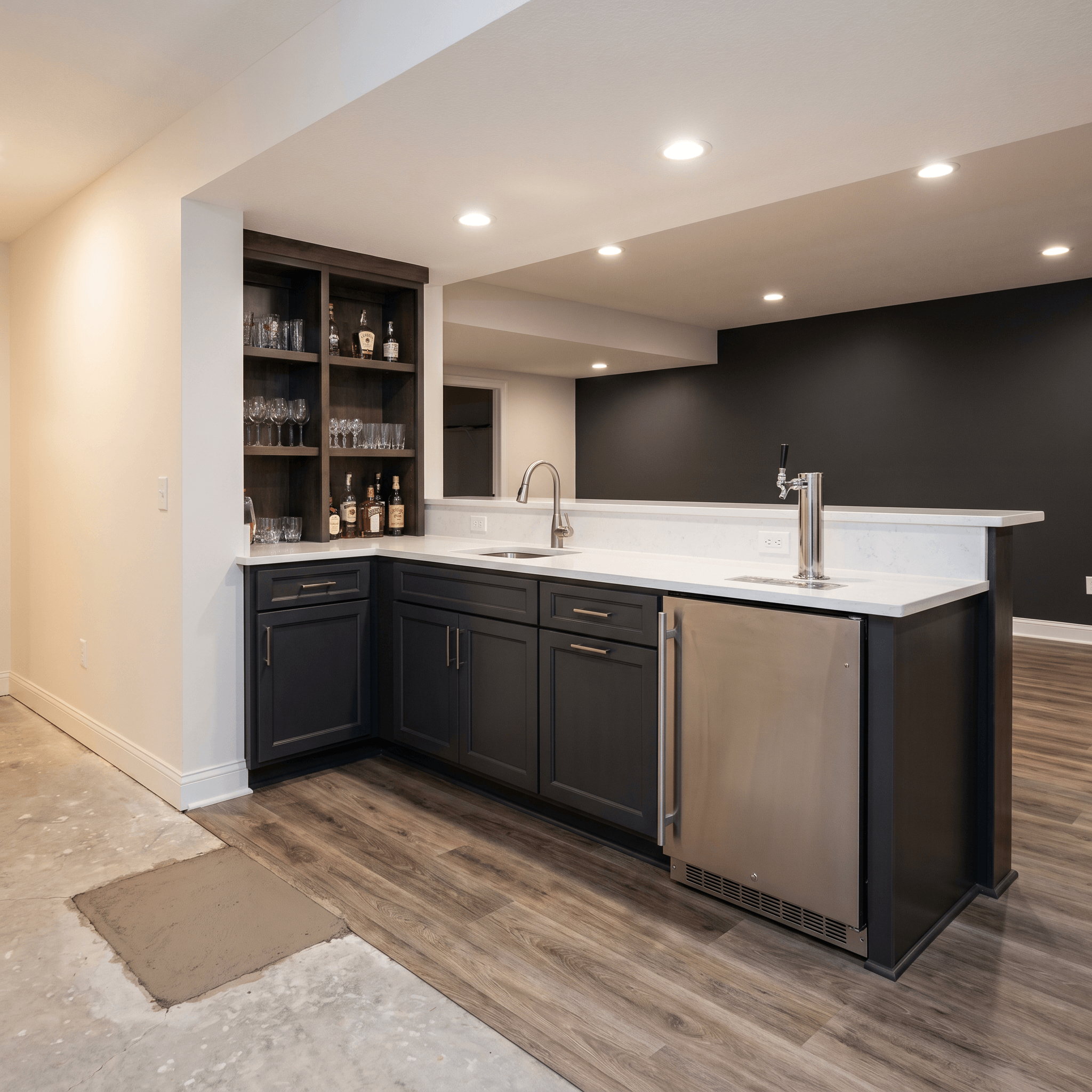
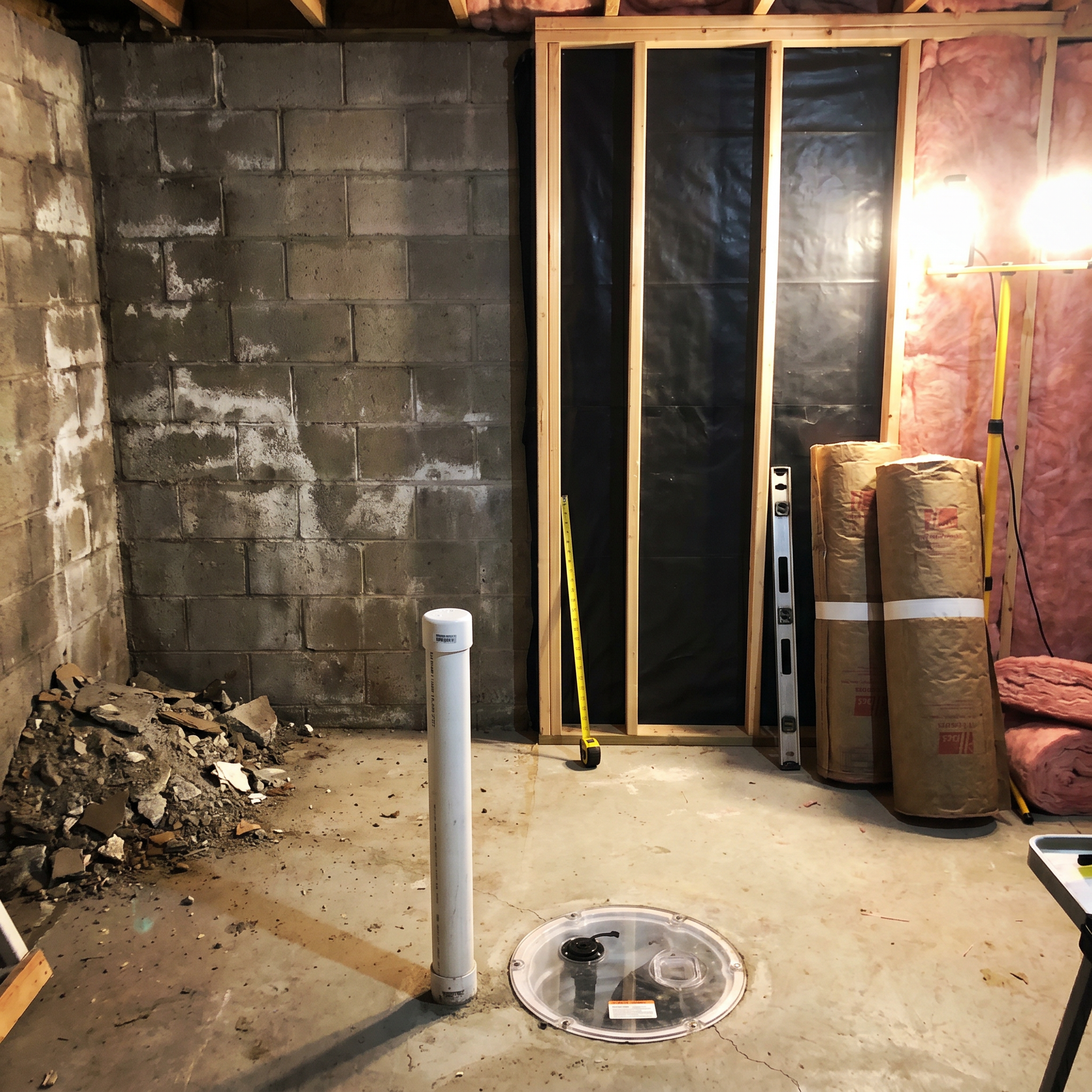
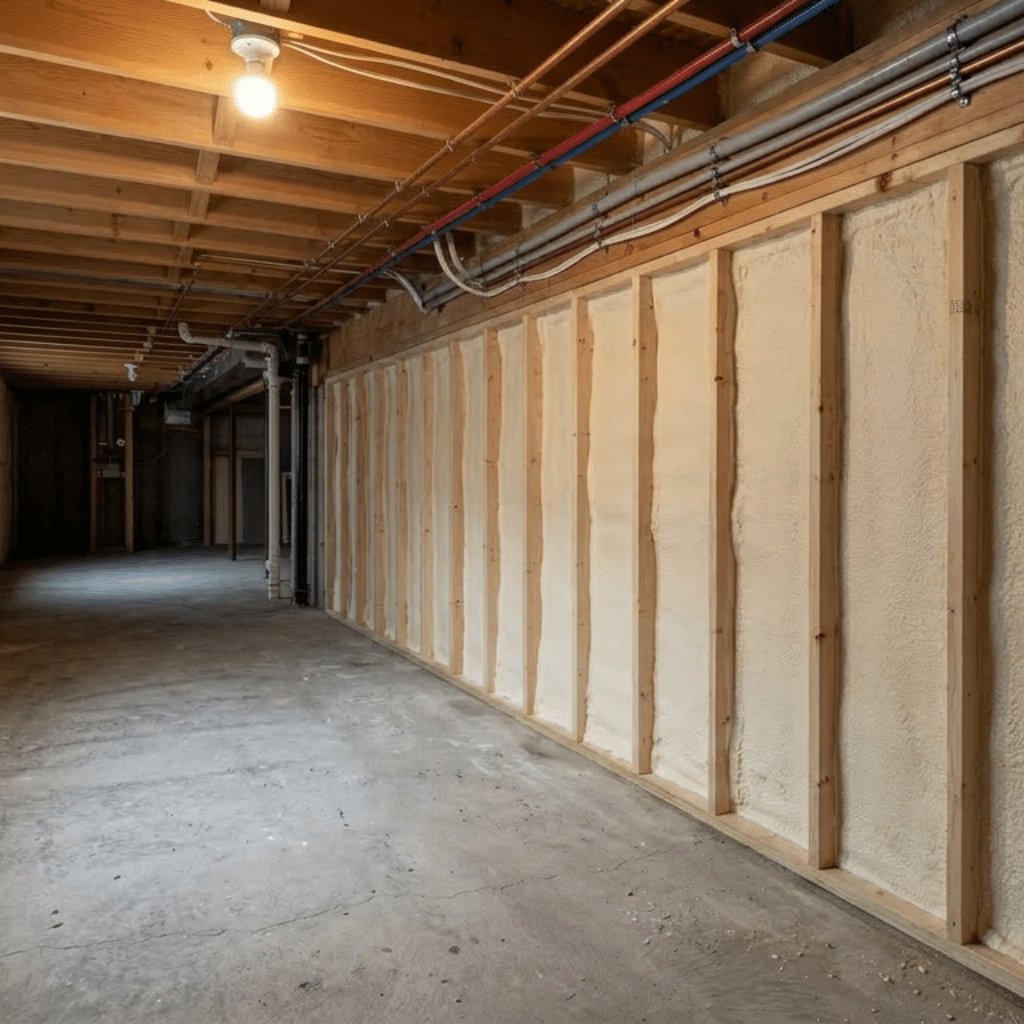
Iowa’s universal basement culture — driven by the 42-inch frost line requirement that makes full basements nearly universal in existing Central Iowa homes — makes basement conversions the most common in-law suite project. The hardest part of adding square footage (the foundation) is already done. The limiting factors are ceiling height (minimum 7 feet for any habitable space) and egress windows (minimum net clear opening of 5.7 square feet for any sleeping room). Both are non-negotiable code requirements that affect every basement bedroom and must be addressed before walls go up.
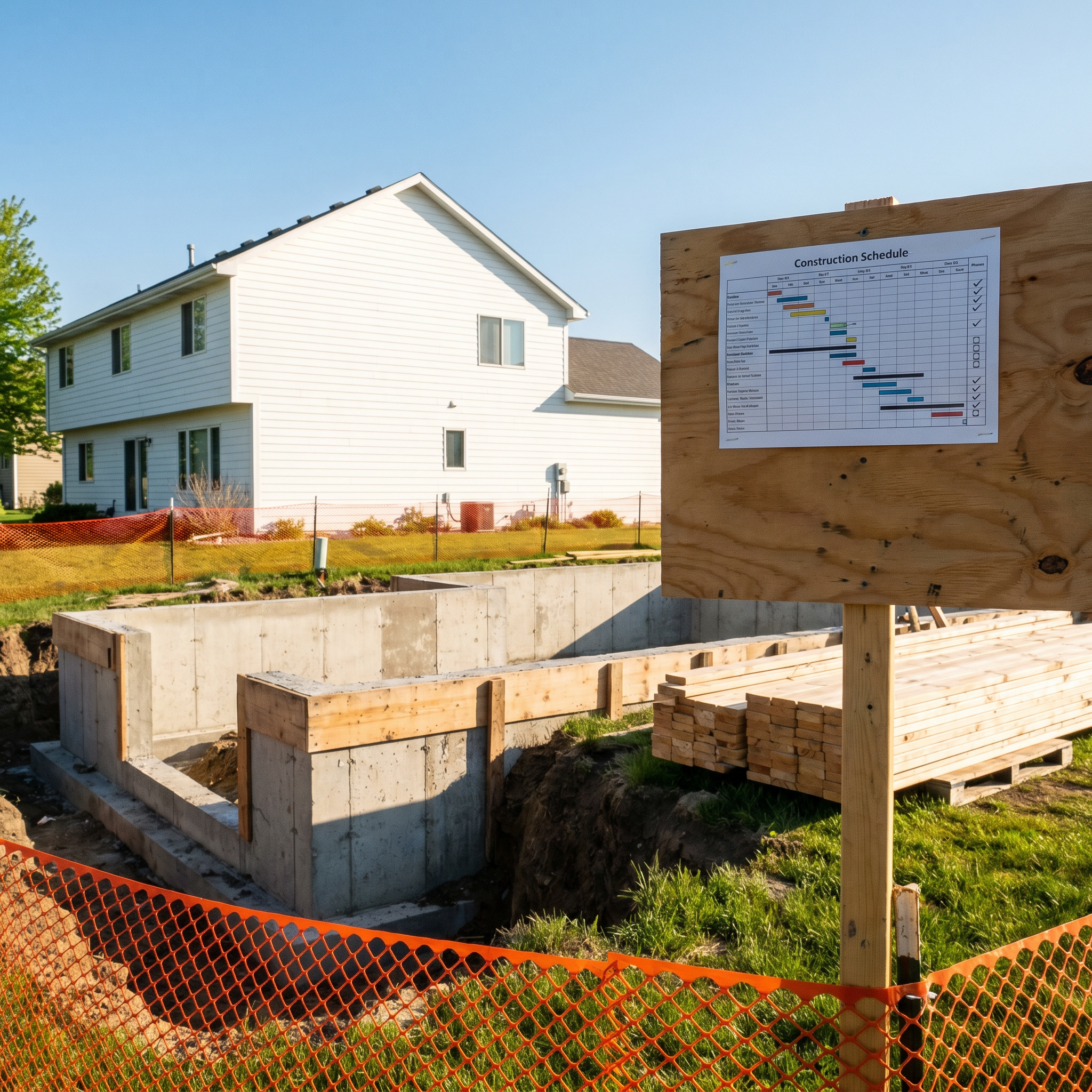
A main-floor addition costs more but is worth serious consideration when mobility is already a concern. Stairs become a barrier for many people in their 70s and 80s, and building the suite at grade level from the beginning avoids a costly retrofit later. All new footings for any addition must reach 42 inches below grade in Central Iowa — this is the frost line requirement, and it is non-negotiable.
On lumber costs: framing for any new addition is subject to current market conditions, and as of spring 2026, framing lumber is running approximately 16% above last year’s price due to combined Canadian anti-dumping and countervailing duties. Lock in quotes and materials early for any new construction component of this project. Iowa’s approximately 14% construction cost advantage over the national average applies across all project types, which means national online calculators will typically overestimate what you will actually pay here.
Permits and Code — What Iowa Requires
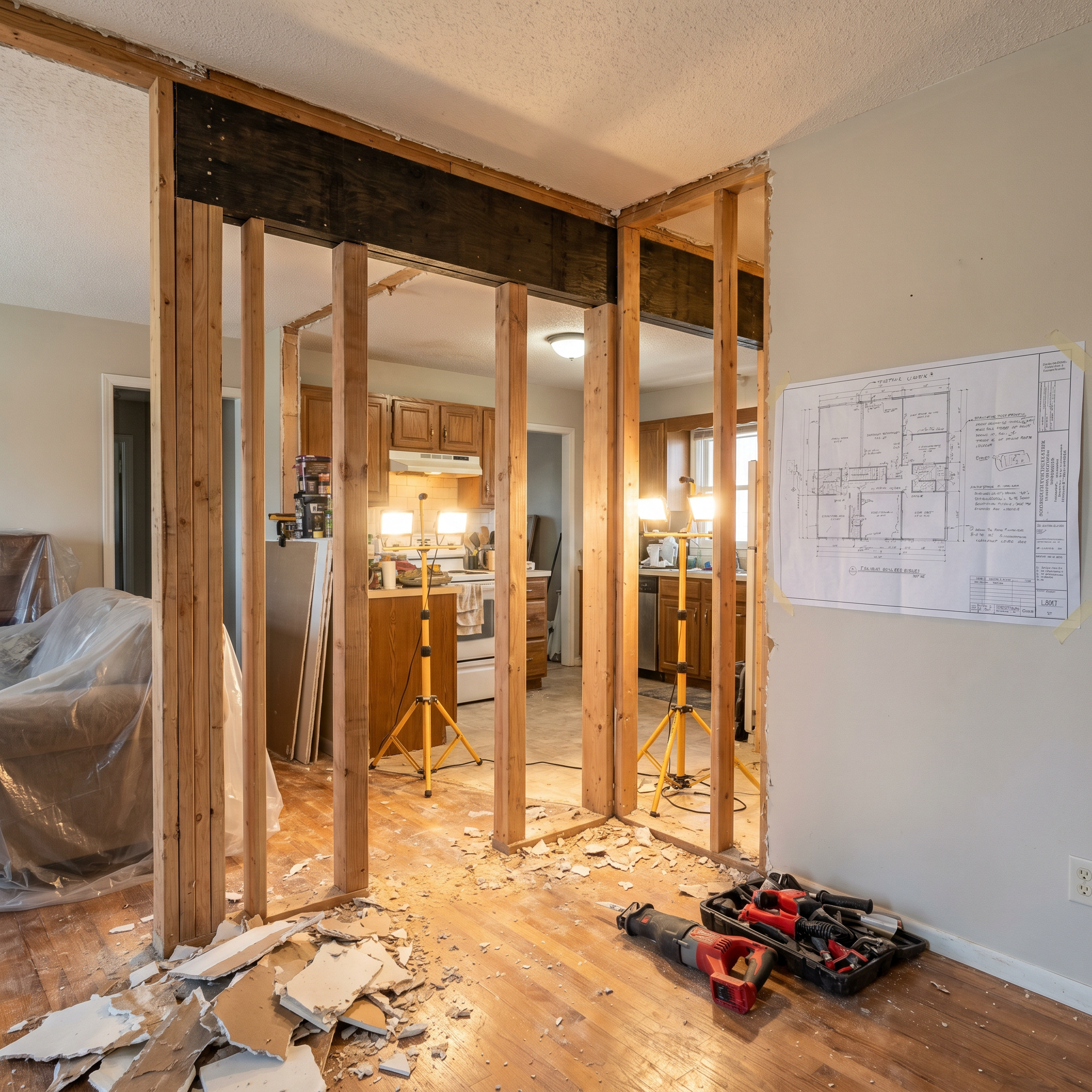
Every in-law suite project requires permits. There are no exceptions, whether the suite is for family use or for rental. The permit types vary by scope, but a typical basement conversion requires a building permit, an electrical permit for new circuits or a subpanel, and a plumbing permit for any new bathroom or kitchenette.
| Work Type | Permit Required? |
|---|---|
| Basement conversion (any scope) | Yes — building, plumbing, electrical |
| New attached addition | Yes — building, all trades |
| Detached ADU (new structure) | Yes — building, all trades, site plan |
| Garage conversion | Yes — building, all trades |
| Egress window installation | Yes — structural modification |
| Kitchenette with new plumbing | Yes — plumbing permit |
Always verify requirements with your specific city’s building department before starting work.
Iowa general contractors must be registered — not licensed — with the Iowa Department of Inspections, Appeals, and Licensing (DIAL). Verify any contractor’s registration at dial.iowa.gov before signing a contract. Plumbers and electricians hold separate state licenses from the GC registration; ask your contractor to confirm that all trade subcontractors are properly licensed before work begins. Iowa’s plumbing code is the 2024 Uniform Plumbing Code, effective March 26, 2025, per IAPMO’s announcement — all plumbing work must comply with the current code and be performed by a licensed Iowa plumber with a permit.
One Iowa-specific factor that catches homeowners off guard on basement projects: Iowa is the only state where every county is classified as EPA Radon Zone 1, the highest risk designation. As many as 5 in 7 Iowa homes test above the EPA action level. Finishing a basement suite without addressing radon first seals in the problem and makes remediation significantly more expensive. Test before closing walls, install mitigation if results are at or above 4 pCi/L, and consider building Radon Resistant New Construction techniques into any new foundation work.
For a detailed walkthrough of Iowa’s permit process by municipality, see the Iowa building permit guide.
Private Suite vs. Rentable ADU — Why the Distinction Matters
This is the section most homeowners wish someone had explained to them before they started building.
A private in-law suite is a living space for the family: no lease, no rent, no landlord-tenant relationship. Building code applies — you still need permits, egress windows, and proper plumbing — but Iowa’s landlord-tenant law (Iowa Code Chapter 562A) does not govern the arrangement. There are no security deposit rules to follow, no required 24-hour notice before entry, and no tenant rights to navigate.
A rentable ADU is a different situation entirely. The moment a lease is signed and rent is exchanged, Iowa Chapter 562A applies. Fair housing requirements apply. Rental income must be reported as taxable income. A tax professional should advise on depreciation, expense deductions, and whether the rental arrangement affects your homestead property tax exemption.
| Feature | Private In-Law Suite | Rentable ADU |
|---|---|---|
| Iowa SF 592 applies? | Indirectly (zoning right) | Directly |
| Iowa landlord-tenant law? | No | Yes |
| Fair housing requirements? | No | Yes |
| Rental income taxable? | N/A | Yes |
| Short-term rental (Airbnb) OK? | N/A | City-dependent under SF 592 |
| HOA approval needed? | Often yes | Often yes |
| Legal and tax consultation needed? | Recommended | Strongly recommended |
The practical boundary is crossed when there is a lease, rent is charged, or the space is listed on a rental platform. Many homeowners start with family use and later consider renting after a parent passes or a situation changes — that transition requires legal and tax guidance before it happens, not after. This blog cannot substitute for that advice.
Will It Add Value to Your Home?
The honest answer is that the primary value of an in-law suite for most Iowa families is not resale ROI — it is the ability to keep aging parents nearby without moving them into a facility.
Median assisted living costs in Iowa run approximately $52,000 to $65,000 per year. A $60,000 basement suite that enables a parent to live on-site for five or more years represents a financial comparison that no home appraisal number fully captures. The suite also allows family caregiving to happen in a real home environment rather than an institutional one — that is the core value proposition for most Iowa families considering this project.
On the resale side, the National Association of Realtors estimates that in-law suites can add approximately 3 to 5% to home value in suitable markets. No Iowa-specific benchmark exists, and no specific dollar return should be claimed or expected. Condition, neighborhood, and overall home quality matter far more than the presence of an in-law suite in any Iowa resale scenario. A well-built, code-compliant, properly permitted suite adds appeal; an unpermitted or code-deficient suite creates liability.
For rental income potential, the Des Moines metro currently ranges from $800 to $1,400 per month for a one-bedroom, one-bath ADU, depending on location and finish level. The Iowa home building costs guide provides a broader context on Central Iowa construction economics if you are evaluating this project alongside other home investment options.
Two Iowa Scenarios
Illustrative scenario 1: A family in Ankeny has an unfinished basement and needs to bring a parent home within 18 months. They convert 700 square feet into a suite with a separate entrance, a bedroom with a new egress window, a full bathroom, a kitchenette, and a small living area. Construction cost: approximately $45,000 to $65,000. They install radon mitigation as part of the project ($700). The suite is a private family space — never listed, never leased. The project requires building, plumbing, and electrical permits and takes approximately 3 to 5 months from planning to occupancy. This is an illustrative scenario — not a quote or guarantee.
Illustrative scenario 2: A couple in Grimes has a half-acre lot and builds a detached 800-square-foot ADU under Iowa SF 592. The structure costs approximately $130,000 to $160,000. They intend to rent it to a long-term tenant at $1,100 per month. Before breaking ground, they confirm the city’s setback and design requirements, consult an Iowa attorney regarding Chapter 562A obligations, and work with a CPA on rental income reporting and implications for homestead exemptions. This is an illustrative scenario — not a quote or guarantee. Anyone considering a rental ADU should seek qualified legal and tax advice before starting.
FAQs
Q: Is it legal to build an in-law suite in Iowa in 2026? Yes. Iowa SF 592, signed May 1, 2025, and effective July 1, 2025, gives homeowners in single-family zones the legal right to build an ADU. Municipalities can regulate design and setback,s but cannot ban ADUs outright or require owner-occupancy. That said, HOA rules and deed restrictions are not overridden by SF 592 — check your CC&Rs before designing anything, and verify specific requirements with your city’s planning department.
Q: How much does an in-law suite cost in Iowa? Costs range from $15,000 to $75,000 for a garage or basement conversion, up to $100,000 to $200,000 or more for a full addition or detached structure. Iowa construction costs run approximately 14% below the national average, so local quotes will typically come in below national calculator estimates. Get at least three quotes from registered Central Iowa contractors before committing to any budget figure — site conditions, existing plumbing locations, and finish level all move these numbers significantly.
Q: Do I need a permit for an in-law suite in Iowa? Yes — every in-law suite or ADU addition requires permits, including building, electrical, and plumbing permits at a minimum. Iowa general contractors must be registered through DIAL, not licensed. Plumbers and electricians hold separate state licenses. Verify all credentials at dial.iowa.gov before signing a contract. Unpermitted in-law suite work creates serious resale liability and leaves the project without legal protection if problems emerge later.
Q: Can I rent out an in-law suite in Iowa? Yes, subject to Iowa landlord-tenant law (Iowa Code Chapter 562A), local ordinances, and applicable tax obligations. SF 592 protects your right to build a rentable ADU, but municipalities may restrict short-term rentals, such as Airbnb. Rental income is taxable, and the landlord-tenant obligations under Chapter 562A are real and significant. Consult an Iowa attorney and a tax professional before renting — this blog cannot substitute for that guidance.
Q: Does adding an in-law suite increase home value in Iowa? It can. NAR estimates in-law suites add approximately 3 to 5% to home value in suitable markets, though no Iowa-specific benchmark exists. The more compelling financial comparison for most Iowa families is reduced assisted living costs — Iowa assisted living runs approximately $52,000 to $65,000 per year — against a $60,000 to $100,000 suite investment that enables a parent to live on-site for multiple years. Actual resale impact depends on property condition, neighborhood, and buyer pool.
Q: What is the difference between an in-law suite and an ADU in Iowa? A private in-law suite is a family living space with no lease and no rent — Iowa landlord-tenant law does not apply. An ADU is a separate dwelling unit that can be rented to a non-family tenant, which brings Iowa Code Chapter 562A (fair housing requirements) and taxable income obligations into the picture. The building code requirements are similar for both. The legal and financial obligations are very different once a lease and rent are involved.
Key Takeaways
Iowa SF 592 (effective July 1, 2025) gives homeowners the legal right to build an ADU — but HOA rules and deed restrictions still apply, and municipalities still control setbacks, design, and short-term rental use. The first step is always your city’s planning department.
Costs range from $15,000 to $75,000 for conversions, to $100,000 to $200,000+ for additions, and to $200,000+ for detached structures. Iowa’s 14% construction cost advantage means local quotes will typically come in below national estimates. Lock in material quotes early in 2026 — lumber is up approximately 16% year-over-year.
Every in-law suite or ADU requires permits. Iowa GCs are registered (not licensed) — verify at dial.iowa.gov. Every basement bedroom needs a 5.7-square-foot egress window and a 7-foot ceiling clearance. Every new footing must reach 42 inches below grade. Radon testing before closing any basement is strongly recommended and inexpensive.
The private suite versus rentable ADU distinction is not technical — it is the difference between a family arrangement and a landlord-tenant relationship governed by Iowa Code Chapter 562A. Anyone crossing into rental territory should get qualified legal and tax advice before starting construction.
The most honest financial frame for most Iowa families is not resale ROI. It is reduced assisted living costs — approximately $52,000 to $65,000 per year in Iowa — compared against a one-time construction investment that keeps a family member home.
Ready to Talk Through Your Project?
Busy Builders has completed more than 1,285 projects across Central Iowa since 2020, including basement conversions, home additions, and accessory structures. In-law suite projects are among the most personally meaningful conversations — and one where getting the code details, permit sequence, and scope of work right from the beginning protects the project and the people it is built for.
See the Central Iowa home building page for an overview of how Busy Builders approaches new construction and addition projects.
Call us: 844-435-9800 Website: busybuildersiowa.com
Busy Builders serves Des Moines, West Des Moines, Ankeny, Grimes, Waukee, Johnston, Urbandale, and communities across all ten Central Iowa service counties.
Busy Builders | Full-Service Construction and Remodeling | Serving Central Iowa Since 2020