Choosing between finishing your basement and building a home addition is one of the biggest decisions Central Iowa homeowners face. Both options create more living space, but the right choice depends on your budget, how you plan to use the space, and how long you plan to stay. This guide lays out real 2026 Iowa numbers, walks through the legal and appraisal side, and helps you decide with confidence.
TLDR: Basement finishing in Iowa typically costs $30 to $70 per square foot, while home additions run $250 to $500 or more per square foot. Basements usually deliver better return on investment, but additions create above-grade space that appraisers count in gross living area. Your choice depends on budget, appraisal goals, and how your family plans to use the space. Keep reading for the full Iowa picture.
You need more space. You already know that part. The harder question is how to get it without overspending, breaking local code, or creating problems at resale. Iowa homeowners usually land on two real options: finish the basement you already have, or build out with an addition, both work. The right path depends on your budget, your timeline, and what you need the space to do.
Let’s walk through the real numbers and Iowa-specific rules so you can decide.
The Core Difference in Plain English
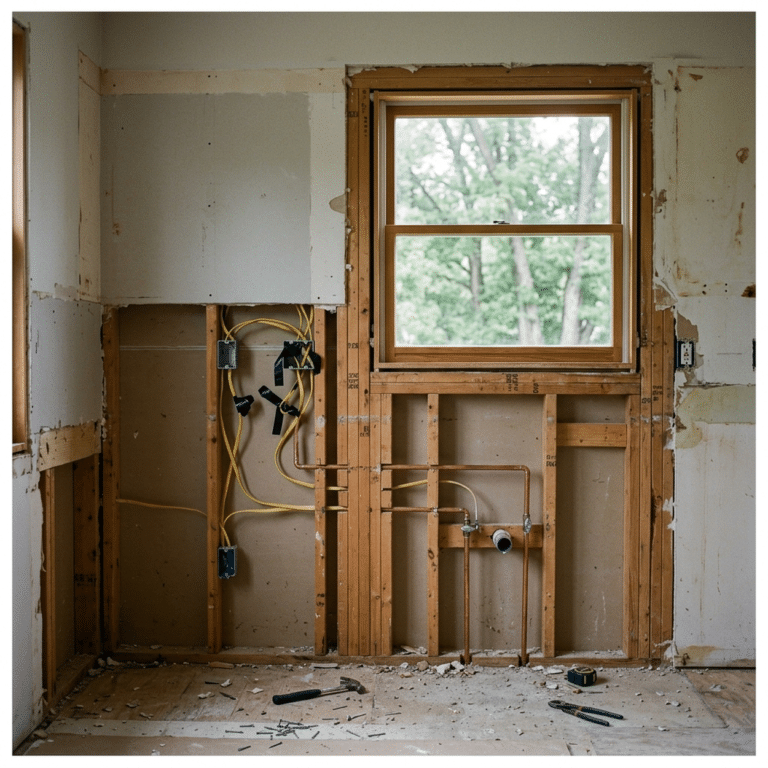
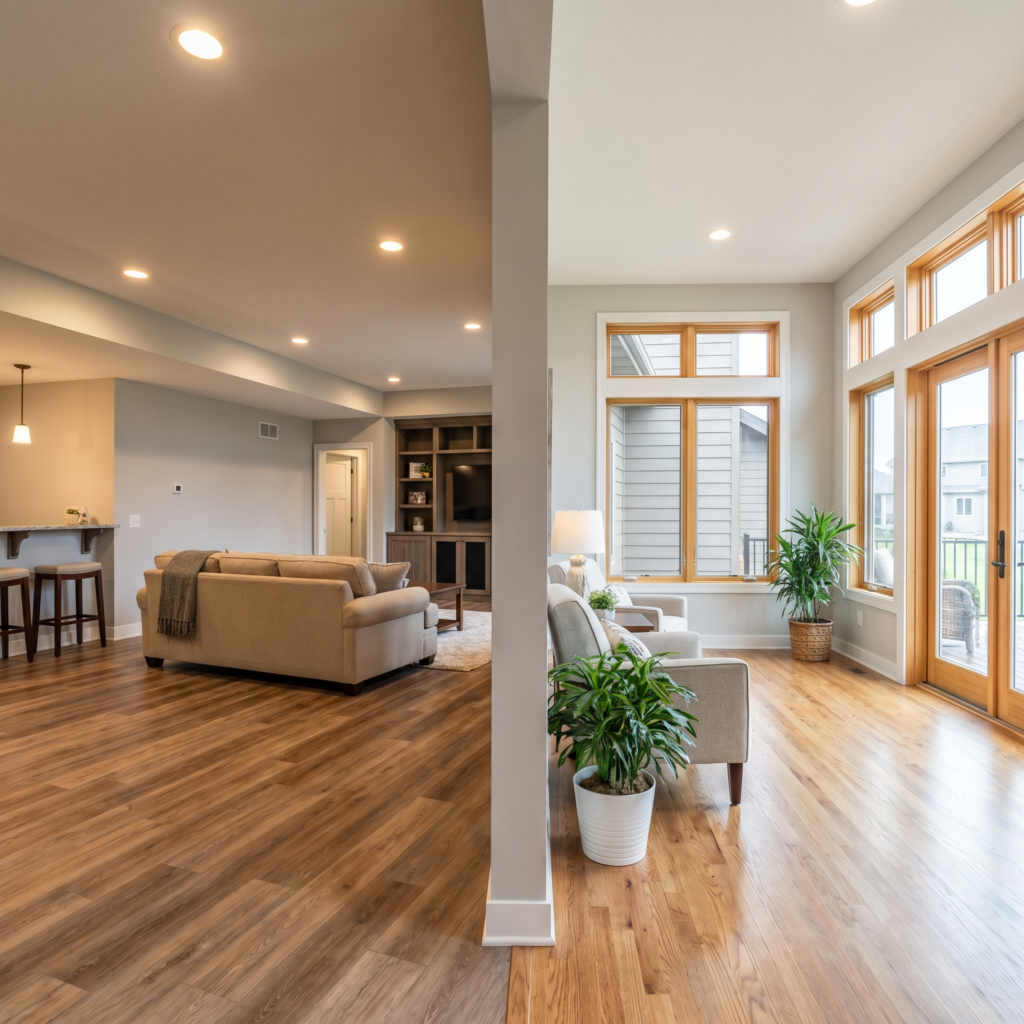
A basement finish turns existing unfinished space into rooms you can live in. The foundation, walls, floor, and ceiling are already there. You add framing, insulation, drywall, flooring, and finishes.
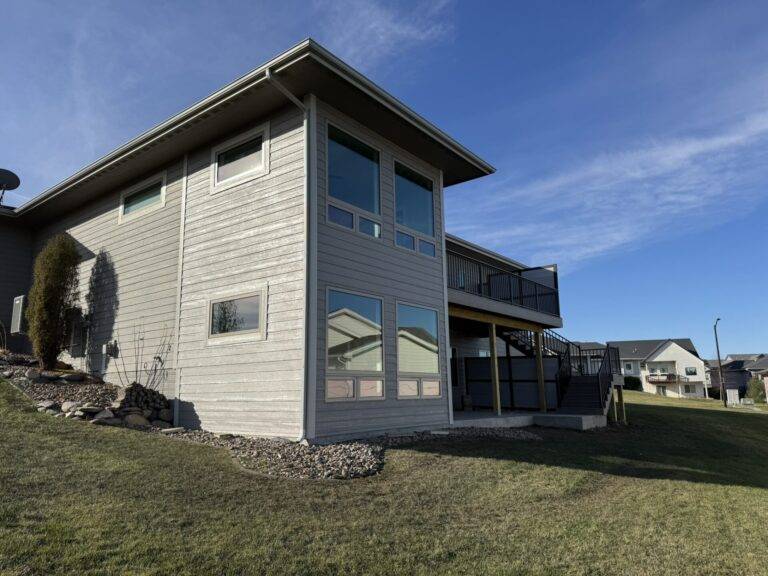
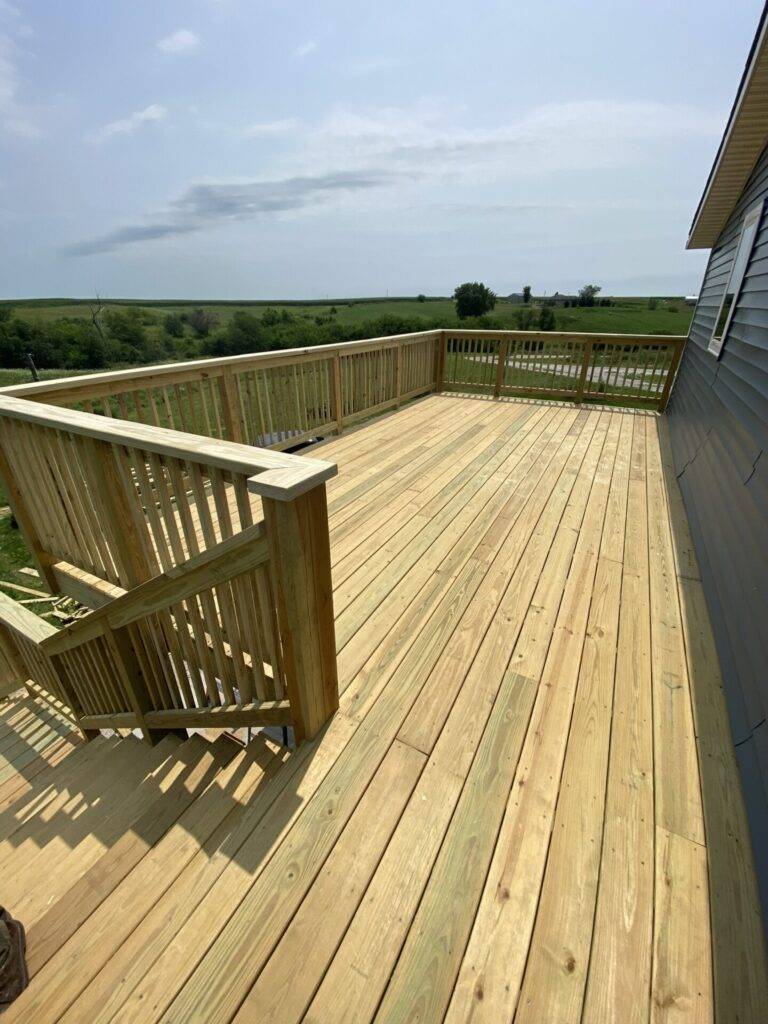
A home addition builds brand-new square footage attached to your house. You pour a new foundation, frame new walls, add a new roof, and tie everything into the existing structure. That means more materials, more labor, and more time.
Iowa’s cold winters and clay soil make new foundations expensive. In addition, footings must reach below the 42-inch frost line, which adds cost to every project. Basement finishing skips that step entirely.
Pro Tip 1: Before you decide, walk your unfinished basement with a flashlight. Look for water stains, cracked walls, musty smells, or low ceilings. These issues change the math fast.
2026 Cost Comparison: What Iowa Homeowners Actually Pay
Cost is the single biggest factor in this decision. The gap between basement finishing and home additions in Central Iowa is significant, and understanding the numbers helps you set a realistic budget.
| Factor | Basement Finishing | Home Addition |
|---|---|---|
| Cost per square foot (Des Moines) | $30 to $70 | $250 to $500+ |
| Typical project total | $30,000 to $90,000 | $100,000 to $200,000+ |
| New foundation required | No | Yes |
| New roof required | No | Yes |
| Permit required | Yes | Yes |
| Typical timeline | 4 to 12 weeks | 2 to 4 months |
A 300-square-foot bedroom-and-bath addition in Des Moines can reach $100,000 to $140,000 once finished. A comparable 800-square-foot basement suite with a bedroom, bath, and family room usually runs $50,000 to $75,000. The cost gap is real, and it changes what your budget can do.
Pro Tip 2: Budget an extra 10 to 15 percent for surprises. Older Iowa homes often hide moisture issues, outdated wiring, or framing quirks that show up once work begins.
Pro Tip 3: Ask for an itemized estimate from any contractor you hire. A single lump-sum price makes it harder to compare bids or understand where your money goes.
ROI and Resale Value: What Appraisers Actually See
Many homeowners assume that additions always add to resale value. The real data tells a different story. Basements deliver a stronger return on investment per dollar spent, even after appraisers apply their discounts.
| Factor | Basement Finishing | Home Addition |
|---|---|---|
| Typical project cost | $50,000 | $150,000 |
| Typical resale return | 70 to 75% | 30 to 35% |
| Estimated dollars returned | $35,000 to $37,500 | $45,000 to $52,500 |
| Appraiser classification | Below-grade (separate from GLA) | Above-grade (counted in GLA) |
Here is the catch. Under ANSI Z765-2021 and Fannie Mae rules, appraisers report finished basement square footage separately from gross living area. They typically value basement space at 50 to 70 percent of above-grade space. Additional space counts fully in the gross living area, which matters for listings and loan appraisals.
These figures represent typical market averages. Your actual results will vary based on finish quality, location, market timing, and appraiser judgment.
Pro Tip 4: If you plan to sell within 12 months, talk to a local real estate agent before you start. They can tell you what buyers in your neighborhood actually want.
Iowa-Specific Factors You Cannot Ignore
Iowa homes come with rules and conditions that change how these projects work. Skipping these steps results in code violations, resale issues, and health risks.
Radon is Iowa’s biggest basement factor. As many as 5 in 7 Iowa homes test above the EPA action level of 4 pCi/L, one of the highest rates in the country. Mitigation systems typically cost $1,800 to $2,500 in Des Moines. Iowa legislation advanced in 2026 would require passive radon mitigation systems in newly built homes.
Pro Tip 5: Always test for radon before you finish a basement. Installing mitigation after finishing work is more expensive and often requires cutting into new walls.
Egress windows are required for basement bedrooms. Iowa code calls for a minimum of 5.7 square feet of net clear opening, 24 inches in height, and 20 inches in width. The sill cannot sit higher than 44 inches from the finished floor. Adding an egress window costs $2,500 to $5,000 in Central Iowa. Without one, you cannot legally list or sell the room as a bedroom.
Pro Tip 6: Plan the egress window before you frame interior walls. Cutting a foundation after the rough-in adds days to the schedule and hundreds to the bill.
Foundations and frost lines affect additions. Iowa’s 42-inch frost line means every addition footing must reach that depth below. Clay soils, common in Central Iowa, add to waterproofing and drainage costs. Combined, site prep and foundation work add $10,000 to $30,000 or more to addition budgets.
Ceiling height matters for basements. Iowa code requires a minimum finished ceiling height of 7 feet for habitable space. Basements with 8- to 9-foot ceilings appraise higher and appeal more to buyers.
| Iowa Factor | Basement Impact | Addition Impact |
|---|---|---|
| Radon (as many as 5 in 7 Iowa homes above EPA level) | Test and mitigate first: $1,800 to $2,500 | Minimal direct impact |
| Frost line (42 inches) | Not applicable | Footings must reach below 42 inches |
| Clay soil | Waterproof before finishing | Adds excavation and drainage cost |
| Egress windows | Required for legal bedrooms | Not applicable above-grade |
| 7-foot ceiling minimum | Required for finished basement | Standard for above-grade rooms |
| Iowa DIAL registration | Use a registered contractor | Same requirement |
Each of these factors can change your timeline and budget, so confirm them before you commit to a path.
Pro Tip 7: Check for moisture stains, efflorescence (white powder), and musty smells in your basement before finishing. Fix water issues first. Finishing over moisture traps it inside your walls.
Pro Tip 8: Plan additions for spring through early fall in Iowa. Winter foundation pours are harder, slower, and more expensive.
When a Basement Makes More Sense
Basement finishing is the right call for many Iowa homeowners. Start here if your situation matches these points.
- You already have an unfinished basement in dry, solid condition
- Your budget is under $100,000
- You need space for daily family use, like a rec room, home office, or guest bedroom.m
- You plan to stay in your home for 3 to 5 years or more
- Your main floor already works for your family
- You want the best return per dollar spent
- You can legally add an egress window for a new bedroom
Busy Builders handles basement finishing projects across Central Iowa, including radon testing, egress cuts, and full permit management.
Pro Tip 9: Plan HVAC carefully before finishing. Adding rooms can overload older furnaces. A load calculation tells you if your system can handle the extra square footage.
When a Home Addition Makes More Sense
Sometimes an addition genuinely beats a basement finish. Choose this route when these points describe your situation.
- You need above-grade square footage to affect appraisals and resale listings.
- Your home has no basement, or the basement is too wet or too shallow to finish.h
- You need natural light, ground-level access, or exterior doors
- You want a sunroom, garage, or second story
- Your family needs a main-floor bedroom for aging-in-place or accessibility
- Your budget starts at $150,000 or more, and you are building a long-term home
If you are comparing options at this level, Busy Builders can walk you through the planning process for a home addition in Central Iowa.
Pro Tip 10: Check your deed, plat map, and any HOA rules before planning an addition. Setbacks, easements, and covenants can limit where you build.
Permits: Both Projects Require Them
Every basement finish and every home addition in Iowa requires permits. This is not optional, and skipping permits creates problems that follow the home forever.
Basement finishing usually needs permits for framing, electrical, plumbing, and any HVAC changes. Addition permits run $150 to $600 in most Iowa cities, plus sub-permits for mechanical trades. Unpermitted work can derail resale appraisals, void insurance claims, and force costly teardowns later.
Iowa requires contractors earning $2,000 or more per year to register with the Iowa Department of Inspections, Appeals, and Licensing (DIAL). Always use a registered contractor, not a handyman, for permitted work. Electricians, plumbers, and HVAC technicians hold separate state licenses, which are different from general contractor registration.
If you want a deeper look at the permit process, see our guide to Iowa home building permits.
Pro Tip 11: Keep every permit, inspection sign-off, and receipt in one folder. Future buyers, appraisers, and your insurance company may all ask for them.
Making the Decision: A Simple Framework
When you strip everything down, the decision comes down to matching your situation to the right option. Use this table as a starting point.
| Your Situation | Better Choice |
|---|---|
| Unfinished basement, budget under $100K | Basement finishing |
| Need above-grade square feet for appraisals | Home addition |
| Want the best ROI per dollar | Basement finishing |
| Need natural light and ground-level access | Home addition |
| Need a main-floor bedroom | Home addition |
| Family needs a rec room, office, or guest suite | Basement finishing |
| Planning to stay 5+ years | Either, depending on needs |
| Selling within 12 months | Consult a local agent first |
Most Iowa homeowners find the answer in this table within a minute. If your situation is split between rows, that is a good sign to get a professional estimate and compare actual numbers for your home.
Pro Tip 12: Get at least three estimates from registered Iowa contractors, and make sure each estimate covers the same scope of work. Comparing lump sums hides the real differences.
Frequently Asked Questions
Is it cheaper to finish a basement or build an addition in Iowa?
Basement finishing is significantly cheaper per square foot in Iowa. Basements typically cost $30 to $70 per square foot, while additions start at $250 per square foot and often reach $500 or more. A typical basement project runs $30,000 to $90,000, while a comparable addition runs $100,000 to $200,000 or more. For most Iowa families, basements deliver more usable space per dollar.
Does a finished basement add value to my Iowa home?
Yes, but appraisers treat it differently than above-grade space. Finished basements typically appraise at 50 to 70 percent of the above-grade value under Fannie Mae and ANSI Z765-2021 rules. Most owners recoup about 70 to 75 percent of their investment at resale. Results vary by finish quality, market timing, and neighborhood. Talk to a local agent for your specific outlook.
Do I need a permit to finish my basement in Iowa?
Yes. Iowa cities require permits for framing, electrical, plumbing, and HVAC work in basement finishes. Working with a registered contractor ensures code compliance and protects you at resale. Skipping permits creates appraisal, insurance, and legal problems that follow the home.
What Iowa-specific issues should I address before finishing my basement?
Radon test first, since as many as 5 in 7 Iowa homes test above the EPA action level. Check for moisture, water stains, or musty smells. Confirm your ceiling is at least 7 feet tall. Plan an egress window if you are adding a bedroom. Fix foundation cracks and drainage issues before the finish work starts.
How long does a basement finishing project take in Iowa?
Most basement projects take 4 to 12 weeks. A simple family room takes about 4 to 5 weeks. A full suite with bedroom, bath, and egress window takes 8 to 12 weeks. Permit approval, material lead times, and custom finishes can extend the schedule. Ask your contractor for a written timeline before signing.
Can I live in my home during a basement finish or addition?
Most families stay in the home during a basement finish since the work is isolated from the daily living space. Home additions often disrupt more of the house because of cut-throughs, dust, and utility changes. Plan for noise, reduced access, and occasional temporary disconnections for HVAC, electrical, or plumbing work. Your contractor should walk you through what to expect for your specific project before work begins.
Key Takeaways
Cost
- Basement finishing: $30 to $70 per square foot in Iowa
- Home addition: $250 to $500+ per square foot in Iowa
- Typical basement project: $30,000 to $90,000
- Typical addition project: $100,000 to $200,000+
ROI and Appraisal
- Basements typically return 70 to 75% at resale
- Additions typically return 30 to 35% at resale
- Appraisers count additional space in the gross living area
- Basement space reports separately under ANSI Z765-2021
Iowa-Specific Factors
- Test for radon first (as many as 5 in 7 Iowa homes exceed EPA limits)
- Egress windows are required for basement bedrooms
- The frost line of 42 inches adds cost to additional foundations
- Use a registered Iowa contractor for all permitted work
Timeline and Permits
- Basement finishing: 4 to 12 weeks
- Home addition: 2 to 4 months
- Both projects require building permits
- In addition, permit fees run from $150 to $600
Ready to Build with Busy Builders
You now understand the real numbers, the Iowa rules, and the trade-offs between finishing a basement and building an addition. The next step is a conversation with a contractor who knows Central Iowa homes and will give you honest numbers for your project.
Busy Builders has completed 1,285+ projects across Central Iowa since 2020. We bring transparency and integrity to every estimate. Here is what we offer:
- Free on-site consultation and detailed cost estimates
- Full permit and inspection management
- Registered Iowa contractors and licensed trades
- Radon testing and mitigation guidance
- Transparent timelines and clear communication
- Written warranty on quality (details provided in your contract)
We serve Des Moines, West Des Moines, Ankeny, Waukee, Urbandale, Johnston, Ames, and communities across Central Iowa.
Call: 844-435-9800 Website: https://busybuildersiowa.com/
The cost figures, ROI percentages, and appraisal information in this post are based on regional market data, industry reports, and publicly available sources as of 2026. Individual results will vary based on your home’s condition, location, finish quality, market timing, and appraiser judgment. This content is for general educational purposes only and is not a guarantee of specific financial outcomes. Consult a local real estate agent, certified appraiser, and registered Iowa contractor before making decisions about home improvement projects. Busy Builders is a registered Iowa contractor. Permits and inspections are required for all covered work.
Busy Builders | Full-Service Construction and Remodeling | Serving Central Iowa Since 2020