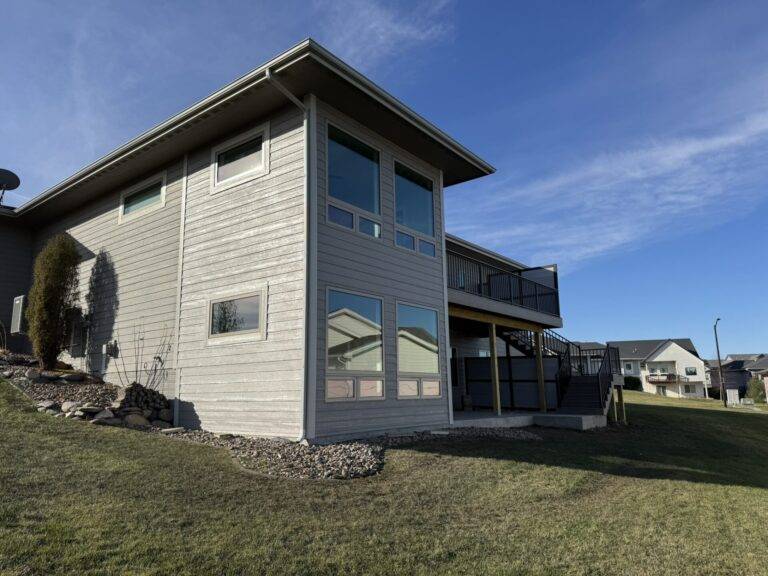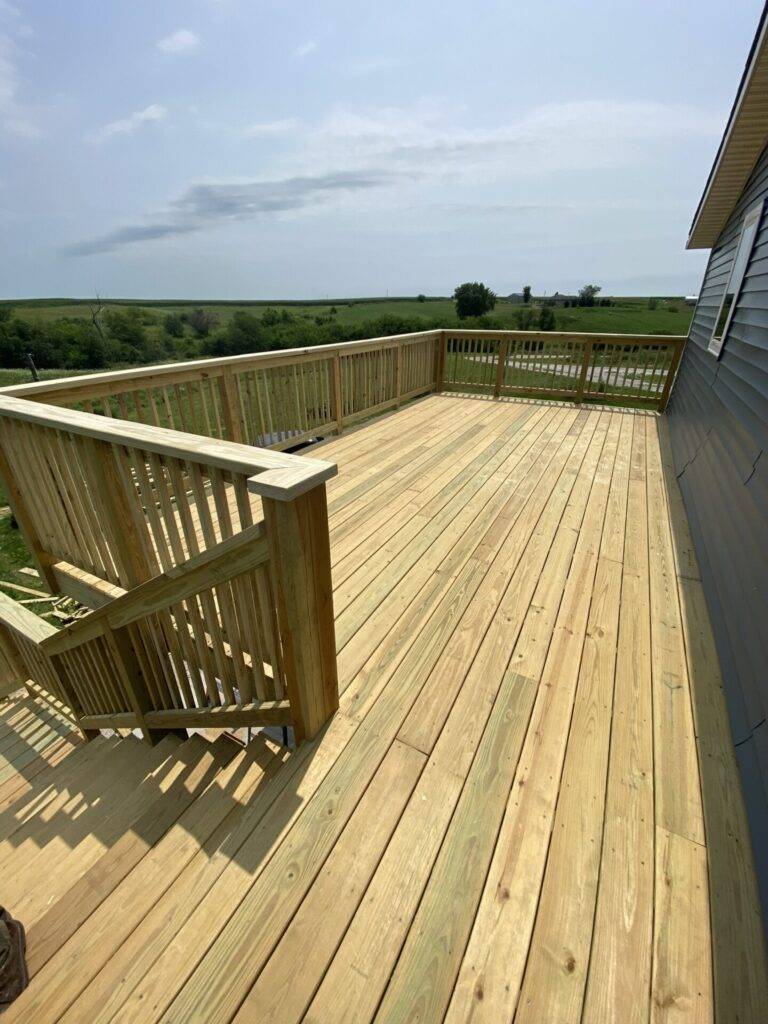
State Center sits in Marshall County, known as the Rose Capital of Iowa, a small town where lots tend to be generous and homes have room to grow outward. Adding on is often more practical here than moving. This guide covers what additions cost in 2026, how permitting works in a smaller Iowa city, what Iowa’s frost line demands, and where addition budgets go sideways.
TLDR: Home additions in State Center start at $300 per square foot, putting a 400 square foot addition near $120,000 before upgrades. Smaller Iowa cities typically contract building inspection rather than staffing an inspector, so schedule inspections well ahead. Foundation depth, utility capacity, and roof tie-in drive cost more than square footage does.
What You Are Actually Buying
An addition is not a larger room. It is a new structure joined to an existing one, and every junction between new and old is where cost appears.
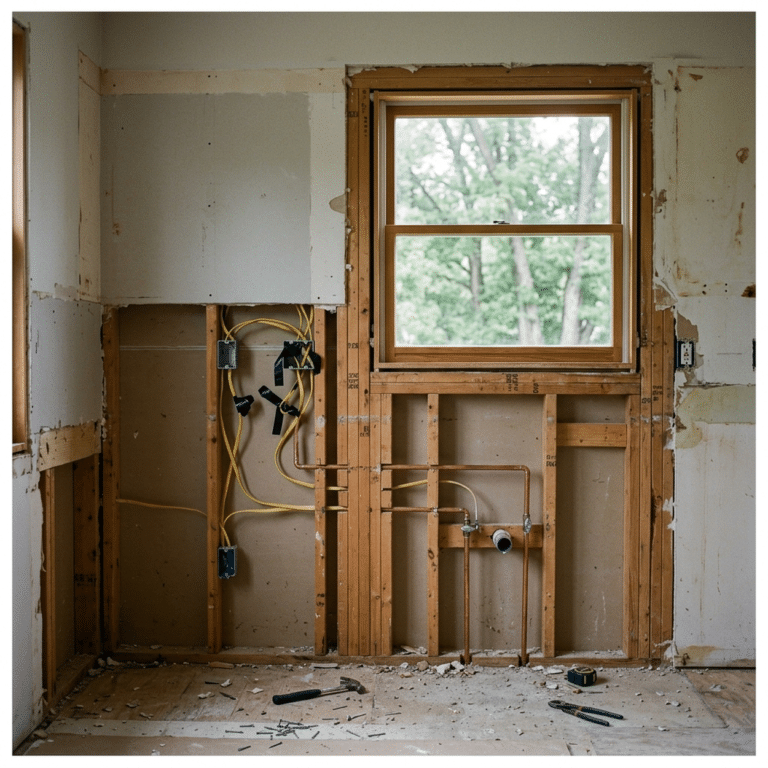
You are paying for a foundation below Iowa’s frost line, framing that ties into existing structure, a roof that marries the existing roofline without leaking, and utilities extended from a panel and plumbing stack sized for the original house. Any one of those can be straightforward. All four rarely are.
State Center lots are generally generous compared with the metro suburbs, which removes one common constraint. Setback space is usually available. What you gain in room, you sometimes give back in utility runs and in the age of the structure you are attaching to.
Pro Tip 1: Before you fall in love with a floor plan, open your electrical panel and count empty breaker slots. A full panel means a service upgrade, and that is a real line item.
Addition Cost in State Center by Type
Busy Builders additions start at $300 per square foot. The table applies that to the addition types we see most.
| Addition type | Typical size | Planning range | Primary cost driver |
|---|---|---|---|
| Bedroom or office | 200 to 300 sq ft | $60,000 to $105,000 | Foundation and roof tie-in |
| Primary suite with bath | 350 to 500 sq ft | $115,000 to $185,000 | Plumbing extension |
| Family room | 400 to 600 sq ft | $120,000 to $200,000 | Span and window count |
| Sunroom (conditioned) | 200 to 350 sq ft | $65,000 to $130,000 | Glazing and HVAC capacity |
| Two-story addition | 600 to 900 sq ft | $180,000 to $310,000 | Structural work and stair placement |
| Attached garage | 400 to 700 sq ft | $80,000 to $170,000 | Slab, doors, and approach |
The consistent pattern: additions with plumbing cost meaningfully more per square foot than additions without. A bedroom is framing and finishes. A primary suite adds a wet wall tied into an existing drain stack.
Pro Tip 2: If your addition includes a bathroom, place it on the wall nearest existing plumbing. Ten feet of distance can mean several thousand dollars.
Frost Line and Foundation
Iowa requires foundations to extend below the frost line, generally 42 inches. That is not optional and not adjustable. Every addition with a permanent foundation carries that excavation and concrete cost regardless of what sits on top.
Pro Tip 3: Ask whether your addition is going on a full foundation, a frost-protected slab, or piers. The three carry different costs and different consequences for resale.
Permits in a Smaller Iowa City
Home additions change structure and require a building permit, plus separate trade permits for electrical and other work.
Something worth understanding about smaller Iowa communities: many do not employ a full-time building inspector. They contract the inspecting official function to an outside engineering firm that serves multiple towns across a region. That arrangement works fine, but it changes your scheduling, because an inspector covering several communities needs more lead time than one in the building next door.
Iowa’s statewide residential floor moved to the 2024 International Residential Code effective September 10, 2025 under Iowa Administrative Code 481, chapter 301. Cities adopt building and fire code editions on their own schedules, and smaller cities sometimes rely more heavily on the state framework than larger ones do.
If your property sits outside city limits, county rather than city rules apply. Marshall County handles permitting for unincorporated areas, and confirming which jurisdiction covers your address is the right first step.
Iowa requires general contractors earning $2,000 or more annually to register with the Department of Inspections, Appeals, and Licensing. Registration is not licensing. Electricians, plumbers, and HVAC technicians hold separate state licenses. Busy Builders is a registered Iowa contractor, Registration #C140184.
Pro Tip 4: Call the city clerk and ask two questions: do I need a permit for this scope, and who performs the inspection. In a town this size the clerk is usually the fastest path to a real answer.
Pro Tip 5: Confirm whether your address is inside city limits. City and county permitting are different offices with different requirements.
What Drives State Center Addition Costs
| Cost driver | Typical impact | Notes |
|---|---|---|
| Electrical service upgrade | $2,500 to $6,000 | Common on older homes with full panels |
| Extending plumbing to a new bath | $4,000 to $12,000 | Distance from the stack is the variable |
| HVAC capacity increase | $3,000 to $9,000 | Existing systems often cannot cover new load |
| Roof tie-in complexity | $2,000 to $8,000 | Complex existing rooflines cost more |
| Septic or well considerations | Varies significantly | Relevant on acreage properties |
| Matching existing siding and windows | $1,500 to $6,000 | Discontinued products drive this up |
The last row surprises people. Matching a twenty-year-old siding profile that is no longer manufactured can mean residing a larger portion of the house so the addition does not look bolted on.
Pro Tip 6: Photograph your existing siding, windows, and roof shingles before your first contractor meeting. Product matching is easier to solve early.
Pro Tip 7: If your property is on a septic system, raise that in the first conversation. Adding bedrooms can affect septic sizing requirements.
Illustrative Scenarios
Illustrative scenario: A State Center couple added a 280 square foot bedroom and sitting area off the back of their ranch. The existing panel had room, no plumbing was involved, and the single-slope roof tied in cleanly. The project came in near $86,000 across about eleven weeks including permit and inspection scheduling.
Illustrative scenario: A Marshall County family added a 420 square foot primary suite with a full bath. Plumbing had to run roughly eighteen feet to reach the existing stack, and the HVAC system needed additional capacity. The project reached about $160,000 over roughly sixteen weeks.
Illustrative scenario: A homeowner near State Center built a 640 square foot two-story addition over a new foundation, adding a family room below and two bedrooms above. Structural work, a new stair, and a service upgrade pushed the project to roughly $268,000 across about seven months.
Pro Tip 8: Ask for a payment schedule tied to completed milestones, not calendar dates. Milestones protect you when weather slows a schedule.
Realistic Timeline
| Phase | Typical duration | Notes |
|---|---|---|
| Design and engineering | 3 to 8 weeks | Structural work extends this |
| Permit submittal and review | 2 to 5 weeks | Longer where inspection is contracted out |
| Site work and foundation | 2 to 4 weeks | Weather dependent, frost depth required |
| Framing and roof | 3 to 5 weeks | Tie-in complexity drives this |
| Rough trades and inspection | 3 to 5 weeks | Inspection scheduling matters here |
| Insulation, drywall, finishes | 5 to 9 weeks | Longest phase, least visible progress |
| Punch list and final | 1 to 2 weeks | Final inspection required |
A modest addition is a three to four month project. A two-story addition is closer to six or seven. Anyone promising a 500 square foot addition in eight weeks is describing framing, not completion.
Pro Tip 9: Build your schedule backward from when you need the space, then add a month. Iowa weather does not negotiate.
Pro Tip 10: Ask what happens to the project if winter arrives before the addition is closed in. The answer should be specific.
Getting a Quote Worth Comparing
A usable addition quote separates foundation, framing, roofing, mechanical, and finishes. It names the window and door products. It states what the allowance covers. It says who pulls which permits.
Pro Tip 11: Ask each bidder what they assumed about your electrical panel and HVAC capacity. Different assumptions explain most of the gap between bids.
Pro Tip 12: Never accept a bid that omits the foundation depth. In Iowa that number is the difference between a permanent addition and a problem.
Our home additions service page explains how we approach these projects. For local work, see what we do for homeowners in State Center. For statewide planning ranges, our Iowa addition cost guide goes broader.
For primary sources, Iowa’s residential building requirements are published as Iowa Administrative Code 481-301. Contractor registration is administered by the Department of Inspections, Appeals, and Licensing. For residential construction data, see the U.S. Census Bureau.
Frequently Asked Questions
How much does a home addition cost in State Center? Additions generally start around $300 per square foot, so a 400 square foot addition begins near $120,000 and rises with plumbing, structural work, and finish level. A simple bedroom addition sits at the lower end. A primary suite or two-story addition sits well above it.
Do I need a permit for an addition in State Center? Yes. Any addition changes structure and requires a building permit, plus separate trade permits for electrical and other work. Contact the city clerk to confirm requirements and to find out who performs inspections, since smaller Iowa cities typically contract that function.
Who inspects construction in smaller Iowa cities? Many smaller Iowa communities contract the inspecting official function to an outside engineering firm serving several towns rather than employing a full-time inspector. Ask the city directly, and build extra lead time into inspection scheduling.
How long does an addition take in State Center? Plan on three to four months for a modest single-story addition and six to seven months for a two-story. Design and permitting alone often take five to twelve weeks before any ground is broken. Contracted-inspector scheduling can add time compared with a larger city.
Does adding a bedroom affect my septic system? It can. Septic systems are sized in part by bedroom count, so adding bedrooms may trigger a review of whether your existing system is adequate. If you are on septic rather than municipal sewer, raise this at the start of planning.
Is an addition cheaper than moving? Sometimes, and it depends heavily on your existing home and local market. An addition avoids transaction costs and lets you stay in a location you already chose. It also means living through construction. Price the addition properly first, then compare against what a target home would actually cost.
Key Takeaways
Cost
- Additions start at $300 per square foot
- Plumbing, HVAC capacity, and panel upgrades are the common surprises
- Matching existing exterior products can cost more than expected
Foundation
- Iowa frost line requires footings 42 inches deep
- Foundation type affects both cost and resale
- Never accept a bid that omits foundation depth
State Center process
- Smaller cities contract inspection rather than staffing an inspector
- Call the city clerk first for permit and inspector questions
- Confirm city versus county jurisdiction for your address
Timeline
- Three to four months for a modest addition, six to seven for two-story
- Design and permit review can run five to twelve weeks before groundbreaking
- Contracted inspection scheduling needs more lead time
Planning an Addition in State Center?
We have completed 1,285+ projects across Central Iowa since 2020, including communities where inspection runs through a contracted official. We will walk your property, talk through what your existing house can support, and give you a scope you can compare honestly.
Free consultation, no pressure, no obligation.
Call: 844-435-9800
Written warranty on workmanship (details provided in your contract).
Disclaimer: This article is for general information and is not project-specific advice. Cost figures are planning estimates that vary by scope, materials, site conditions, and current pricing. Permit requirements, inspection arrangements, and adopted code editions vary by jurisdiction and change over time; confirm current requirements and who performs inspections with the City of State Center, or with Marshall County for properties outside city limits, before you rely on anything here. Structural work, including any two-story addition or load-bearing modification, requires evaluation by a qualified professional. Properties on septic systems may face additional requirements when bedrooms are added. Homes built before 1978 may contain lead paint, and federal RRP rules may apply. No specific outcomes are guaranteed. Consult a registered contractor for guidance specific to your project, and note that electrical, plumbing, and mechanical work is performed by licensed trade professionals.
Busy Builders | Full-Service Construction and Remodeling | Serving Central Iowa Since 2020