
Tiny Home Building Central Iowa
- Central Iowa General Contractor
What Counts as a Tiny Home?
We build tiny homes as permanent small dwellings on a foundation, not as trailers. That distinction decides everything. A dwelling on a foundation follows the residential code and gets a permit. A house on wheels is a recreational vehicle in most Iowa jurisdictions, and that is a different conversation entirely.
If your goal is a small unit on the same lot as an existing house, that is an accessory dwelling and it follows different rules. See ADU and in-law suite additions for that path, or our full home building service for everything else we construct.
About Us
Busy Builders is a registered Iowa general contractor serving Central Iowa since 2020. We have completed 1,285+ construction and remodeling projects in that time.
We plan and manage home building, remodeling, kitchens, bathrooms, basements, additions and decks, and we bring in licensed electricians, plumbers and HVAC technicians when a project needs them.
Our Mission
Honest pricing, a clear written plan, and no surprise charges on every project we take on.
We tell you what the project actually requires before a permit is filed, and we do not upsell scope you do not need.
Our Vision
We want to be the registered general contractor Central Iowa homeowners call first, from Des Moines, West Des Moines, Ankeny, Waukee, Johnston and Grimes to the towns around them.
Want A Free Quote?
- Frequently Asked Questions
Why Build Small?
Lower Running Cost
Less space to heat, cool, light, and maintain. The savings show up every month, not just at closing.
Zoning Answered First
We check whether your city allows it before you pay for plans. A free no beats an expensive maybe.
Built on a Real Foundation
A permanent dwelling on footings, permitted and inspected. That is what makes financing, insurance, and resale behave normally.
Designed for the Square Footage
Storage, circulation, and daylight get engineered into a small plan. You cannot fix a cramped layout with furniture.
Honest About the Per Foot Rate
Kitchens, baths, and mechanicals cost what they cost. We will not pretend small automatically means cheap.
Registered Iowa Contractor
Registration #C140184, 1,285+ projects since 2020, and permits pulled properly on every job.
- Tiny Home Building Step By Step
How We Build Your Tiny Home
ZONING FEASIBILITY FIRST
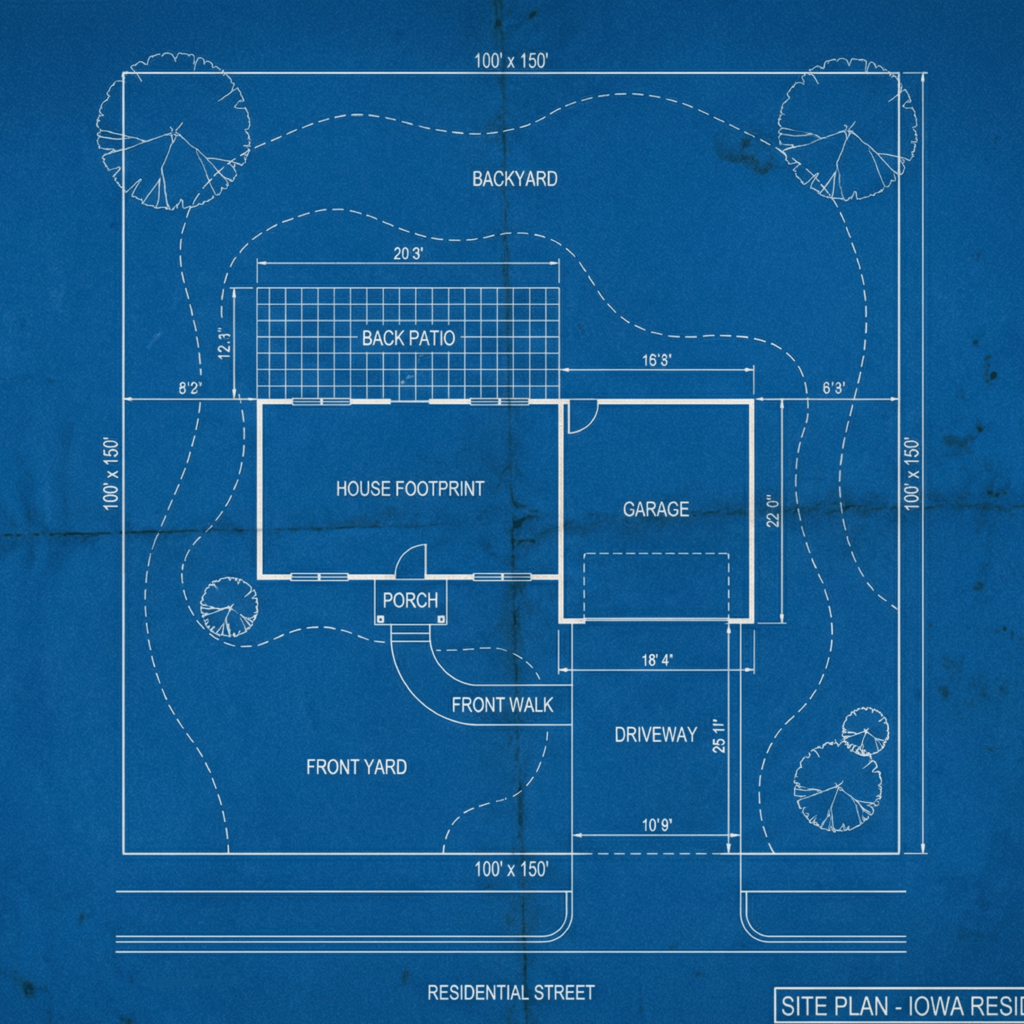
Before design, before pricing, we find out whether your jurisdiction allows it. Minimum dwelling size, minimum lot size, and setback rules kill more tiny home projects than budgets do. You get a straight yes or no early.
- Minimum dwelling size checked
- Lot size and setbacks confirmed
- Accessory versus primary use clarified
SITE AND UTILITIES
A small house still needs power, water, and waste. On an acreage that can mean a well and a septic system. Both get permitted separately through the county, and together they can cost more than the framing.
- Utility routes and distances measured
- Septic and well feasibility checked
- Access and drainage evaluated
DESIGN FOR THE SPACE
Small plans live or die on storage and circulation. We design built-ins, stair or loft access, and door swings on purpose. In 600 square feet, a bad layout is not something you can decorate around.
- Storage designed into the structure
- Circulation and door swings planned
- Ceiling and loft access resolved
Read enough? Let's get your free quote.
Tell us about the project and someone from our team reaches out within 24 hours. Prefer to talk it through? Call 844-435-9800.
PERMIT AND FOUNDATION
We pull the permit, then set a real foundation with footings below the 42 inch frost line. This is what separates a permanent dwelling from a park model, and it is what makes financing and insurance work normally.
- Permit issued before ground breaks
- Footings below frost line
- Foundation waterproofed and drained
SHELL AND MECHANICALS
Framing, enclosure, then plumbing, electrical, and HVAC rough-in. Mechanical systems in a tiny home cost close to what they cost in a big one. That is why the per square foot rate runs high.
- Full mechanical rough-in inspected
- Insulation and air sealing verified
- Passive radon rough-in where applicable
FINISHES AND FINAL
Cabinets, counters, flooring, trim, and paint. We walk it with you, build the punch list together, and close out inspections so you get a legal certificate of occupancy.
- Finishes installed as specified
- Punch list built with you
- Final inspection and occupancy
Zoning, Iowa SF 592, and the Code Path
Disclaimer: This page is for general information and is not project-specific, legal, or zoning advice. Zoning ordinances, minimum dwelling size rules, and code appendix adoption vary by city and county and change over time. Verify current requirements with your local zoning and building authority before you buy land or start any project. Cost figures are planning estimates that vary by scope, materials, site conditions, and current pricing. Statements about Iowa Senate File 592 describe the law in general terms and are not a substitute for legal counsel. Radon levels vary by home; test after construction. No specific outcomes are guaranteed. Consult a registered contractor for guidance specific to your project.
What Does a Tiny Home Cost in Central Iowa?
| Item | Typical range |
|---|---|
| New construction, starting rate | From $150 per square foot |
| Detached small dwelling, new construction | $120,000 to $250,000 |
| Utility connections | $3,000 to $12,000 |
| Site preparation | $7,000 to $25,000 |
| Building permit | $500 to $2,000 |
| Planning contingency | 10 to 15 percent of budget |
Figures come from our published Central Iowa pricing. Zoning feasibility comes before any of it.
Thinking About Building Small?
Weighing options? Compare custom home building and building on your own lot.
- Achievement
Trusted Small Home Builders in Central Iowa









Want A Free Quote?
- Frequently Asked Questions
FAQs About Tiny Homes in Iowa
Can I put a tiny home anywhere in Central Iowa?
No. Many cities set a minimum dwelling size or minimum lot size that a very small house cannot meet. Rules differ between a city lot and unincorporated county land. We check your specific parcel with the zoning authority before any design work starts.
Does Iowa SF 592 mean my city has to allow a tiny home?
Not exactly. Senate File 592 took effect July 1, 2025. It requires cities and counties to allow accessory dwelling units on a lot that already has a house. It does not require them to allow a standalone tiny home on its own parcel. Those are two different projects under the law.
How big can an accessory dwelling unit be in Iowa?
Under SF 592, a city cannot cap an ADU below 1,000 square feet or 50 percent of the primary home’s size, whichever is larger. Cities also cannot require separate utility lines when shared utilities with separate metering are available. Setbacks and height limits can apply, but no stricter than for the house itself.
Why does a tiny home cost so much per square foot?
Because the expensive parts do not shrink. A tiny home still needs a full foundation, a kitchen, a bathroom, plumbing, electrical, and HVAC. Those systems cost close to what they cost in a larger house. Spreading that over fewer square feet raises the rate.
Can you build a tiny home on wheels?
We build permanent dwellings on foundations. Iowa jurisdictions generally treat a house on a trailer as a recreational vehicle rather than a dwelling. That affects where it can sit, how it gets financed, and whether it can be a legal residence. SF 592 also requires a manufactured home used as an ADU to sit on a permanent foundation.
What about a well and septic on an acreage?
Those are permitted through the county and are a real line item, not a detail. On a rural parcel with no municipal service, well and septic work can rival the cost of the structure itself. We evaluate feasibility before you commit to the land.
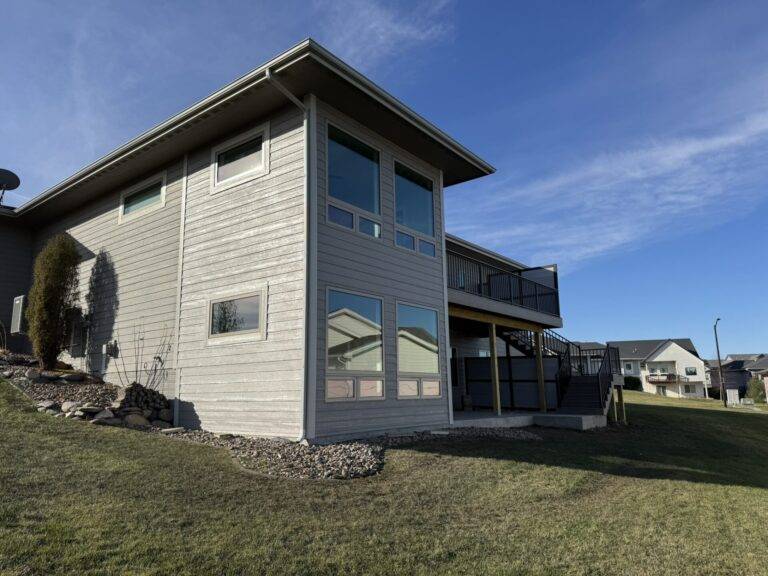
Building on a Rural Lot in Dallas or Madison County: Septic, Well and County Permits
Read MoreCounty permits instead of city, a septic system and a well instead of utilities. What a rural lot in Dallas or Madison County really costs to build on.County permits instead of city, a septic system and a well instead of utilities. What a rural lot in Dallas or Madison County really costs to build on.County permits instead of city, a septic system and a well instead of utilities. What a rural lot in Dallas or Madison County really costs to build on.
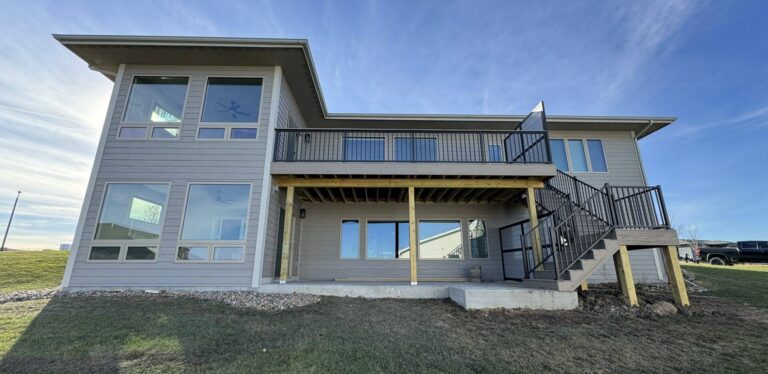
Pouring Foundations Before the Freeze: A Fall Home Build Start in Story County
Read MoreHow late can you pour a foundation in Story County? The 42-inch frost line, cold-weather concrete costs and what a fall home build start buys you.How late can you pour a foundation in Story County? The 42-inch frost line, cold-weather concrete costs and what a fall home build start buys you.How late can you pour a foundation in Story County? The 42-inch frost line, cold-weather concrete costs and what a fall home build start buys you.
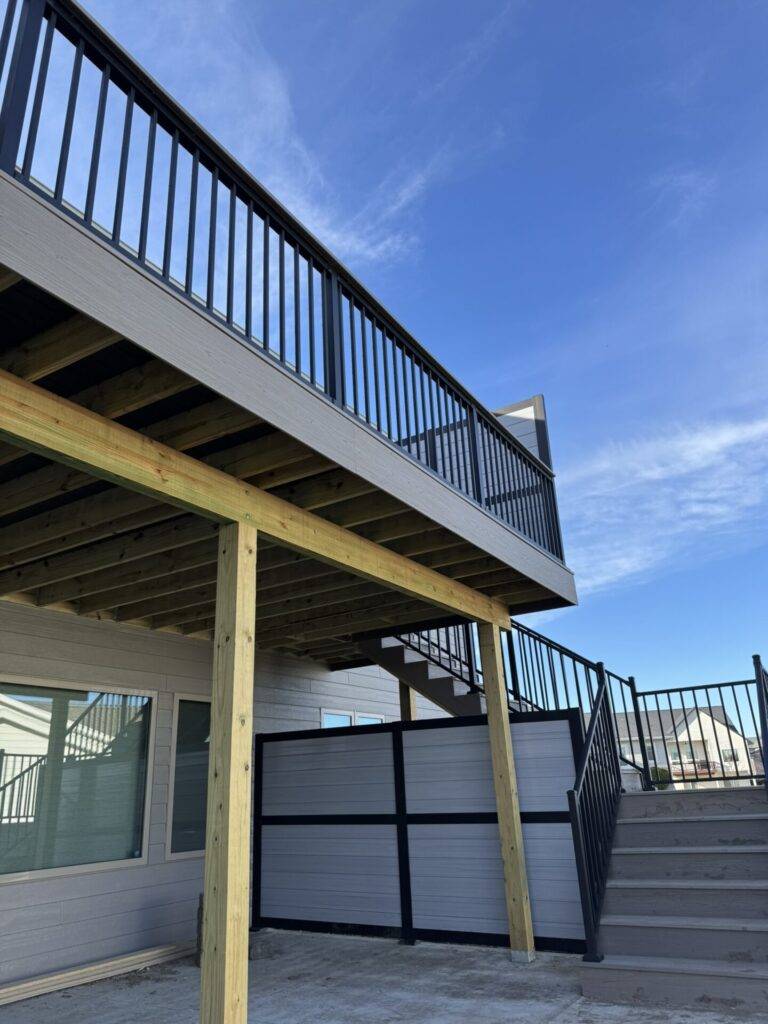
What a General Contractor Actually Does on Your Central Iowa Project
Read MoreWhat a general contractor does day to day on a Central Iowa home build or addition, what you pay for, and where owner-run projects go wrong.What a general contractor does day to day on a Central Iowa home build or addition, what you pay for, and where owner-run projects go wrong.What a general contractor does day to day on a Central Iowa home build or addition, what you pay for, and where owner-run projects go wrong.