Most Iowa homeowners want to stay in their current home as they age. The question is whether their home can keep up. This guide walks through the most important aging-in-place modifications, honest cost ranges for Central Iowa, Iowa-specific financial assistance programs, and what to look for in a contractor. The goal is clarity, not pressure.
TLDR: Most aging-in-place projects cost far less than people expect: national averages run $3,000 to $15,000, with basic safety packages starting at $500. Compared to assisted living at roughly $54,000 per year, modifying your current home usually makes financial sense within months. Iowa has several income-based assistance programs through Area Agencies on Aging, CDBG, and HUD. The first step is a bathroom safety upgrade. The second is a conversation with your local AAA.
You know the stairs have started to feel longer. The bathtub edge is higher than it used to be. Maybe a parent had a fall last winter on an icy front step. You are wondering if you can adapt your home to stay in it longer, and you want real numbers before you call anyone.
Iowa has one of the highest concentrations of residents 65 and older in the country. Over 90 percent of older adults say they prefer to remain at home rather than move to a facility. The gap is that only about 10 percent of U.S. homes are actually ready for aging in place. Closing that gap does not usually mean a full renovation. For most Iowa homeowners, it means a short list of targeted changes.
Why This Matters in Iowa Right Now
Iowa’s population skews older than most states, and the housing stock is older too. Many Central Iowa homes were built before accessibility was part of standard design. Narrow doorways, step-up thresholds, tubs instead of showers, and round doorknobs are common in homes built before the 1990s. Iowa winters add a layer of urgency most national guides skip: icy front steps, slick thresholds, and poorly lit entries are where falls happen first.
The financial case is straightforward. Assisted living nationally runs roughly $4,500 per month on average; Iowa costs vary by facility and location. A nursing home private room can run $9,000 per month or higher. A $10,000 to $20,000 home modification project often pays for itself in a few months of avoided facility costs. That is not a guarantee that modifications will keep anyone out of a facility, but the math is worth seeing clearly.
Pro Tip 1: If you are researching this for a parent, not yourself, that is normal and common. Many Iowa adult children start this conversation before their parents do. A good first step is a phone call to your local Area Agency on Aging together, which is free and does not commit anyone to anything.
The Most Important Modifications to Make First
Not every modification needs to happen at once. Most Iowa homeowners start with a small bathroom safety package and add from there. The table below groups modifications into three tiers based on priority and cost.
| Modification | Estimated Cost | Priority | Notes |
|---|---|---|---|
| Grab bars, per location | $90 to $300 | Tier 1 | Do this first |
| Lever door handles, whole home | $150 to $350 | Tier 1 | Easy retrofit |
| Improved lighting | $20 to $500 | Tier 1 | Reduces fall risk |
| Handheld showerhead | $100 to $300 | Tier 1 | Simple install |
| Comfort-height toilet | $100 to $1,600 | Tier 1 | Follows accessibility guidelines |
| Handrails, staircase | $800 to $2,500 | Tier 1 | Critical for Iowa winters |
| Non-slip bathroom flooring | $350 to $2,000 | Tier 1 | |
| Curbless walk-in shower | $4,000 to $15,000 | Tier 2 | |
| Door widening, per door | $300 to $2,500 | Tier 2 | 32 inch clear minimum |
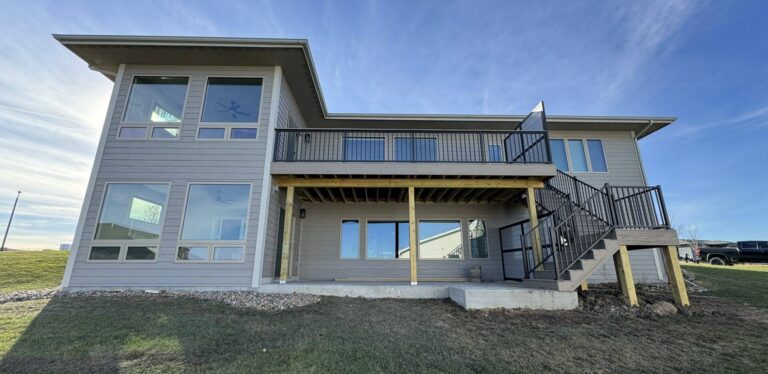
| Exterior ramp | $1,500 to $8,000 | Tier 2 | Critical for Iowa winters |
| Stair lift, straight | $2,500 to $8,000 | Tier 2 | |
| Stair lift, curved | $7,000 to $15,000 | Tier 2 | |
| Full accessible bathroom | $15,000 to $40,000+ | Tier 3 | Major project |
| Main floor bedroom and bath addition | $25,000 to $100,000+ | Tier 3 | Full accessibility |
These are national and regional planning estimates. Central Iowa costs often run below the national average because Iowa construction labor is roughly 14 percent under national rates. Get a written, itemized estimate for your specific home and scope. Pro Tip 2: Iowa winters put extra weight on exterior handrails, ramp surfaces, and entry lighting. These are not optional finishes. A ramp that is safe in August can become an ice hazard in January without proper pitch, texture, and drainage built in from day one. Pro Tip 3: Single-story ranches, very common in Central Iowa suburbs, are the easiest homes to adapt because most modifications stay on one floor. Two-story homes often benefit from a planned first-floor bedroom and bath setup so the upstairs becomes optional.
The Bathroom Is Where You Start
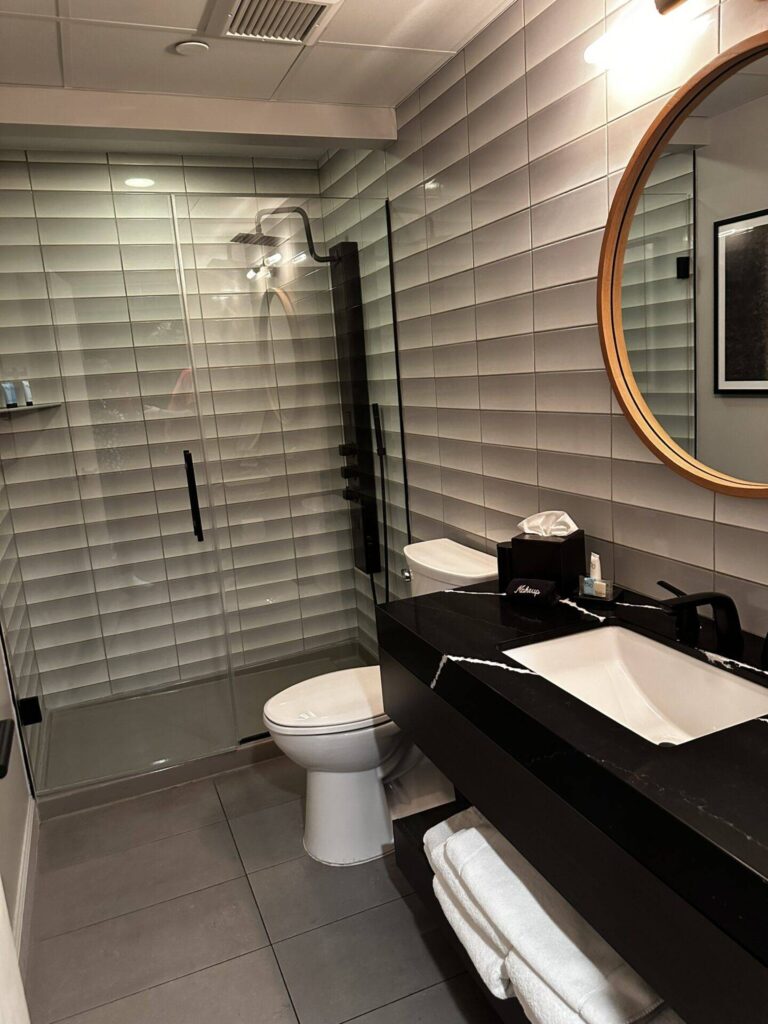
Bathrooms are the single most common location for fall-related injuries at home. They are also the highest-ROI aging-in-place room. A basic safety upgrade, grab bars near the toilet and in the shower, a comfort-height toilet, non-slip flooring, and a handheld showerhead, typically runs $500 to $3,000 and can be completed in one to two days.
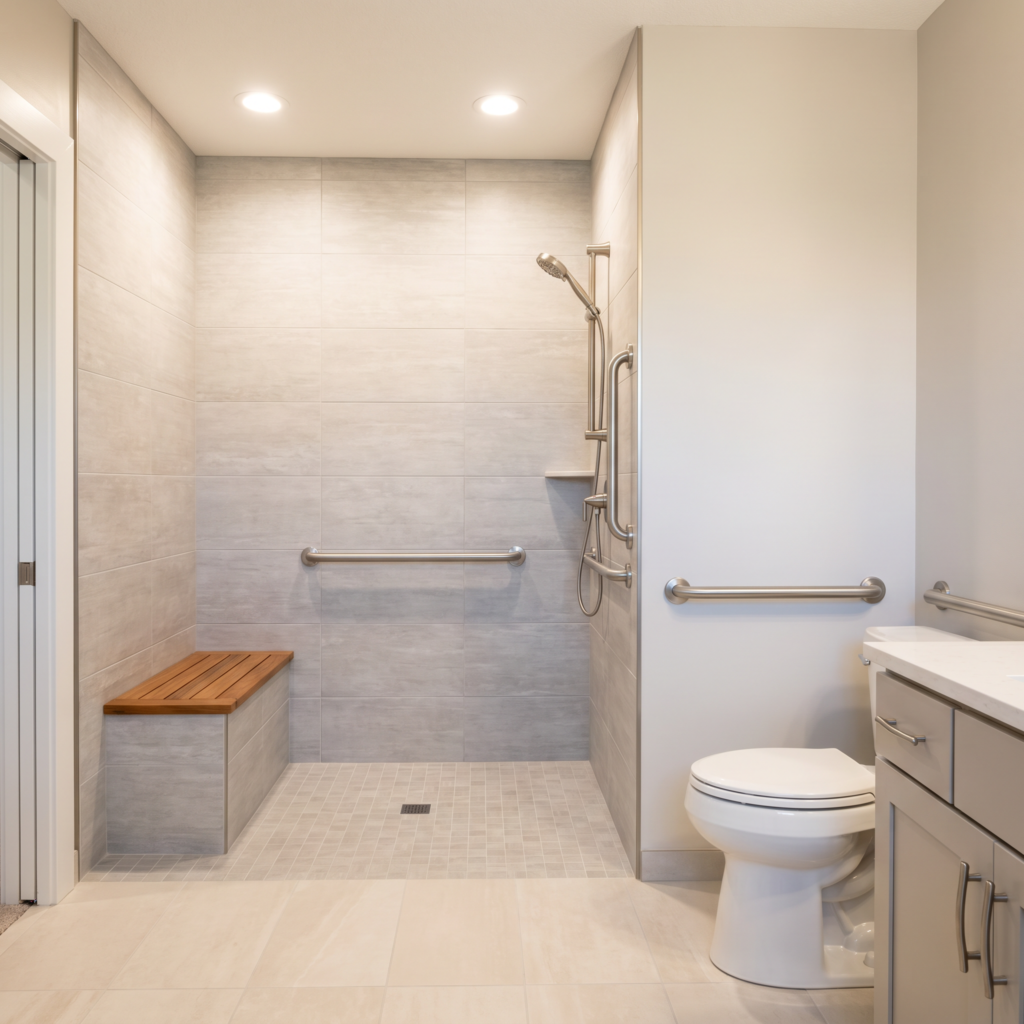
A mid-range tub-to-shower conversion with curbless entry, a built-in bench, and proper grab bar blocking costs $6,000 to $15,000. A full accessible bathroom overhaul with a roll-in shower, widened doorway, and lowered countertops runs $15,000 to $40,000 or more depending on scope. Universal design bathroom remodels return around 68 to 70 percent of cost at resale nationally, which puts them in the top seven remodeling projects for ROI. Walk-in showers and lever fixtures appeal to all buyers, not just older ones.
Pro Tip 4: Install grab bars into wall blocking, not drywall anchors alone. Proper blocking means the grab bar will actually hold weight under fall conditions. A registered contractor knows this; a handyman installing from a big-box kit may not. Pro Tip 5: Anti-scalding temperature controls cost $80 to $300 installed and matter for older adults whose skin is less sensitive to temperature. This is a small upgrade that prevents a real injury category. Pro Tip 6: Walk-in shower conversions involve plumbing changes and require a permit in Iowa. A DIAL-registered contractor handles the permit and inspection. For the broader scope of what a bathroom project involves, see our bathroom remodeling services page.
What Does It All Cost?
The national average for an aging-in-place project is about $9,500, with the typical range running $3,000 to $15,000. Iowa construction costs trend below the national average, so Central Iowa projects often come in at the lower end. The comparison that matters for most families is not modification vs. doing nothing, it is modification vs. facility care.
| Scope | Estimated Project Cost | Iowa Annual Assisted Living | Months to Break Even |
|---|---|---|---|
| Basic safety package | $500 to $3,000 | ~$54,000 per year | Less than 1 month |
| Mid-range bathroom and entry | $8,000 to $20,000 | ~$54,000 per year | 2 to 5 months |
| Comprehensive multi-room remodel | $30,000 to $60,000 | ~$54,000 per year | 7 to 13 months |
| Full whole-home accessibility | $60,000 to $100,000+ | ~$108,000 per year (nursing home) | 7 to 11 months |
Assisted living and nursing home figures are national averages; Iowa costs may vary. Modification estimates are planning ranges only. Every project and every family is different. This table is for planning context and is not financial or healthcare advice. Pro Tip 7: Break projects into phases. Many Iowa homeowners do a Tier 1 safety package this year, a bathroom conversion in 18 months, and hold Tier 3 work for later if it becomes needed. Phasing lets you spread cost, see what actually helps, and avoid over-investing before you know what matters.
Iowa Financial Assistance Programs
Most aging-in-place content online skips this entirely, which is a real disservice to Iowa families. Several Iowa and federal programs may help cover modification costs for homeowners who meet income and age criteria. Program availability, eligibility, and funding levels change every year, so treat this table as a starting point, not a final answer.
| Program | Who Qualifies | What It Covers | How to Apply |
|---|---|---|---|
| Area Agency on Aging (AAA) | Seniors 60+, income varies | Varies by agency and funding year | Contact your local AAA |
| Iowa CDBG Barrier Removal | Age 60+ or severely disabled, ≤80% area median income, city under 50K | Architectural barrier removal | Contact city housing dept. or AAA |
| ECIA Older Adult Grant | 62+, owner-occupied, income eligible | Grab bars, ramps, handrails, lighting | Contact ECIA directly |
| HUD Title I Loan | Homeowners meeting lender criteria | Home improvements including accessibility | Apply through HUD-approved lender |
| Local Housing Trust Funds | Varies by county and income | Some cover modifications | Contact your county LHTF |
| City of Dubuque Grant | 62+, low income, Dubuque resident | Accessibility modifications | Contact Dubuque city housing |
Program details are current as of April 2026 but change regularly. Contact your local Area Agency on Aging or visit Iowa HHS Home Modification to verify current programs before applying. Pro Tip 8: Your first call should be to your local Area Agency on Aging. The Iowa Area Agencies on Aging directory lists every regional office. AAAs are free to call and can often connect you with programs you would not find on your own. Pro Tip 9: Medicare generally does not cover home modifications as a standard benefit. An occupational therapist home assessment may be covered through a physician referral, which can help identify what modifications are worth doing. Medicaid Elderly Waiver may cover some home and community-based supports, but eligibility is strict. Some costs may be partially covered depending on individual circumstances. Consult Iowa HHS or a benefits counselor for your specific situation. Pro Tip 10: A clarifying note on the ADA: the Americans with Disabilities Act applies to public buildings and commercial spaces, not private single-family homes. Your remodel is not legally required to meet ADA standards. Most aging-in-place work follows universal design principles inspired by ADA guidelines, which is best practice but not a legal mandate for your home.
Does It Add Home Value?
Yes, when done well. Universal design bathroom remodels return 68 to 70 percent of cost at resale nationally. Walk-in showers, lever handles, curbless entries, and better lighting all read as modern and functional to buyers of every age. About 52 percent of older adults who moved in the past five years chose a home that was easier to get around in, which means the buyer pool for accessible homes is growing, especially in Iowa.
Permitted, professional modifications add value. Unpermitted DIY work, especially plumbing or structural changes, can create title and insurance problems at sale. Pro Tip 11: If resale is part of your thinking, focus first on modifications that look like upgrades to any buyer, curbless showers, lever handles, better lighting, matching finishes. Keep specialty equipment like stair lifts easy to remove if a future buyer does not need them.
What to Look For in a Contractor
Iowa does not license general contractors. The state requires registration with the Iowa Department of Inspections, Appeals, and Licensing, known as DIAL, for any general contractor earning more than $2,000 per year. Electricians, plumbers, and HVAC technicians working on your project hold separate state licenses. A registered general contractor pulls permits, schedules inspections, and is accountable for code compliance. For a detailed overview of Iowa’s current building code and permit requirements, see our Iowa residential construction regulations guide.
You may also see the CAPS designation, which stands for Certified Aging-in-Place Specialist. CAPS is a credential jointly offered by AARP and the National Association of Home Builders. A CAPS professional has completed coursework on accessibility design, technical solutions, and communication with older clients. CAPS is not required by Iowa law, and not every qualified Iowa contractor holds it, but it signals specific training in this work. Pro Tip 12: Verify your contractor’s active DIAL registration at dial.iowa.gov before you sign anything. Ask for proof of general liability insurance and workers’ compensation, and request three references from similar past projects. If CAPS matters to you, ask directly whether the contractor holds the designation or works with someone who does.
Illustrative Scenarios
Illustrative scenario one: An Ankeny homeowner in her early 70s adds grab bars near the toilet and in the shower, a comfort-height toilet, non-slip flooring, and lever handles throughout the home. Total project cost: approximately $2,500 to $5,000. Completed in one to two days by a registered contractor. Illustrative planning example only, not a verified Busy Builders project.
Illustrative scenario two: A Johnston couple converts a standard tub and shower combo to a curbless walk-in shower with built-in seat, grab bars, and a handheld showerhead. Total project cost: approximately $8,000 to $15,000 including tile work and plumbing permit. Illustrative planning example only, not a verified Busy Builders project.
Illustrative scenario three: A Waukee homeowner widens two doorways, installs a stair lift on the main staircase, adds a roll-in shower in the master bath, and installs an exterior ramp at the front entry. Total project cost: approximately $25,000 to $45,000. Illustrative planning example only, not a verified Busy Builders project.
Frequently Asked Questions
Q: What is aging in place, and what modifications does it involve? Aging in place means modifying your current home so you can stay safely and independently as you age, rather than moving to assisted living or a nursing home. Common modifications include grab bars, walk-in showers, wider doorways, better lighting, lever handles, handrails, and ramps. The right set depends on your current home, your health, and how you expect your needs to change over time. An occupational therapist assessment can help prioritize.
Q: How much does aging-in-place remodeling cost in Iowa? Most projects run $3,000 to $15,000 nationally, with an average around $9,500. Iowa’s below-average construction costs often put local projects at the lower end of these ranges. A basic safety package can run $500 to $3,000. A full accessible bathroom overhaul runs $15,000 to $40,000 or more. Every project is different. Get a written, itemized estimate for your specific site before you commit.
Q: Are there grants or programs in Iowa to help pay for aging-in-place modifications? Yes, several programs may be available depending on income and location. Iowa’s Area Agencies on Aging are the best first call. They provide free guidance and can connect seniors with funding resources. Iowa CDBG architectural barrier removal funds, HUD Title I loans, and some county Housing Trust Funds also exist. Most programs require income eligibility and have limited funding. Contact your local AAA or Iowa HHS to check current availability.
Q: Do aging-in-place modifications add value to your home? Yes, when done well. Universal design bathroom remodels return roughly 68 to 70 percent of cost at resale nationally. Walk-in showers, lever handles, curbless entries, and improved lighting appeal to all buyers. Iowa’s growing 65+ buyer demographic makes accessible homes increasingly competitive. Permitted, professional modifications add value; unpermitted DIY changes can create title and insurance problems.
Q: Do aging-in-place modifications require a permit in Iowa? It depends on scope. Minor modifications like grab bars, lever handles, and new lighting fixtures typically do not require permits. Any project involving plumbing changes, structural changes like door widening through a load-bearing wall, or new electrical circuits does require permits in Iowa. Always check with your local building department and hire a DIAL-registered contractor who pulls permits as part of the job.
Q: What is the first modification most Iowa homeowners should make? Grab bars in the bathroom, near the toilet and in the shower, are the single most impactful, lowest-cost change. Falls are the leading cause of injury among older adults, and most falls happen in the bathroom. Professional installation runs $90 to $300 per location with proper wall blocking. Most Iowa homeowners can address their highest-risk bathroom areas for $500 to $2,000 total.
Key Takeaways
Start Here
- Grab bars, non-slip flooring, and better lighting in the bathroom are the highest-value first step
- Most Tier 1 safety packages cost $500 to $3,000 total
Cost in Iowa
- National average: $9,500, with typical range $3,000 to $15,000
- Iowa costs often run at the lower end of national ranges
- A full accessible bathroom runs $15,000 to $40,000 or more
Financial Help
- Call your local Area Agency on Aging first
- Iowa CDBG, HUD Title I, and some county programs may help eligible homeowners
- Medicare generally does not cover modifications; Medicaid Elderly Waiver may help in specific cases
Contractor
- Verify active DIAL registration at dial.iowa.gov
- CAPS certification signals specific aging-in-place training but is not required
- A registered contractor pulls permits and handles inspections
Reality Check
- Modifications can reduce fall risk and support independence; they do not eliminate risk
- ADA does not apply to private single-family homes
- Phase projects over time to match actual needs
Ready to Talk About Your Home?
Busy Builders has completed more than 1,285 projects since 2020. We work throughout Des Moines, West Des Moines, Waukee, Ankeny, Johnston, Grimes, Urbandale, Ames, and Polk City. Every project starts with a free consultation, a line-item written estimate, and a registered contractor who pulls permits and handles inspections. For the broader scope of what we do, see our home remodeling services page.
Call: 844-435-9800 Website: https://busybuildersiowa.com/
We would rather give you an honest plan and phased estimate than sell you a full renovation you do not need. Reach out whenever you are ready.
Legal Disclaimer
All cost figures in this article are general planning estimates based on national averages, regional data, and Central Iowa market conditions. Actual costs vary by project scope, home conditions, materials, current labor and material pricing, and site specifics. Home modifications can reduce fall risk and support independent living but do not eliminate risk; falls can occur in modified homes. No specific health, safety, or resale outcomes are guaranteed. This article is not medical, financial, or legal advice. Consult a physician, occupational therapist, benefits counselor, and certified Iowa real estate or financial professional for guidance specific to your circumstances. Financial assistance program details, eligibility, and funding levels change; always verify current program availability with Iowa HHS, your local Area Agency on Aging, or the listed program administrator before applying. The Americans with Disabilities Act applies to public accommodations and commercial facilities; it does not govern private single-family home remodeling. Illustrative scenarios are planning examples, not verified Busy Builders projects. Permit requirements vary by city and change over time; verify current rules with your local building department. Consult a DIAL-registered Iowa contractor and, where applicable, a licensed engineer for guidance specific to your property.
Busy Builders | Full-Service Construction and Remodeling | Serving Central Iowa Since 2020