
Basement Finishing Mistakes Iowa Homeowners Should Avoid
The expensive basement mistakes happen in the steps people skip on the way to picking flooring. This guide covers the errors we see most across Central Iowa basements, what...
Indianola’s older housing stock means many basements were finished decades ago, and those finishes are showing their age. Outdated layouts, worn carpet, moisture behind the walls, and electrical that no longer meets code are the most common problems we find when we walk through a Warren County home.
Busy Builders assesses every issue before a single wall comes down, fixes what the prior contractor buried, and rebuilds your lower level into a space your household will actually use every day.










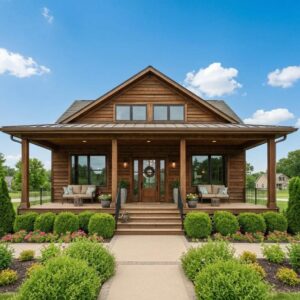
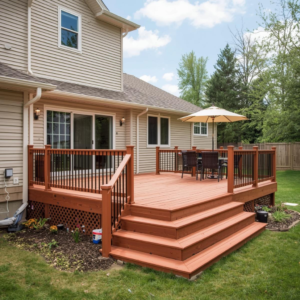

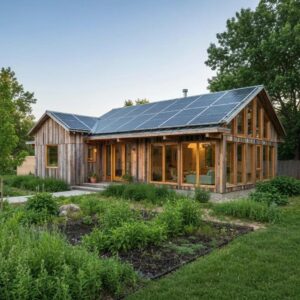
Since 2020, Busy Builders has completed 1,285+ construction and remodeling projects across Central Iowa, including hundreds of basement remodels throughout the Des Moines metro and Warren County.
We specialize in basement remodeling in Central Iowa for homeowners whose lower level is already finished but no longer works. Wrong layout. Outdated systems. Moisture that has been coming back behind the walls for years.
We approach every project with a written scope and a straight assessment before any demo begins.
Honest pricing, a clear plan, and no surprise charges on every basement remodeling project in Norwalk, Indianola, and across Central Iowa.
We tell you exactly what needs to come out, what can stay, and what must be corrected before new work begins. We will not upsell you on work your basement does not need.
We want to be the registered general contractor that homeowners in Indianola, Carlisle, Norwalk, Des Moines, and throughout Warren County call first for basement remodeling and recommend without hesitation.
Every project we complete is a chance to earn that reputation one more time.
A basement remodel starts differently than a basement finishing project for an unfinished space. The lower level already has walls, flooring, and systems in place. Before any demo begins, we assess what is worth keeping, what needs replacing, and what must be fixed before any new work goes in.
We identify structural walls vs. partition walls, review permit requirements for Indianola, and flag every electrical, plumbing, and moisture issue upfront. Many Indianola homes built before 2000 have undersized panels, zero GFCI protection near wet areas, and fiberglass batt insulation pressed against foundation walls. Learn more about what affects basement finishing price in Des Moines before scoping your project.
You get a written scope of work and a fixed timeline before we touch anything.
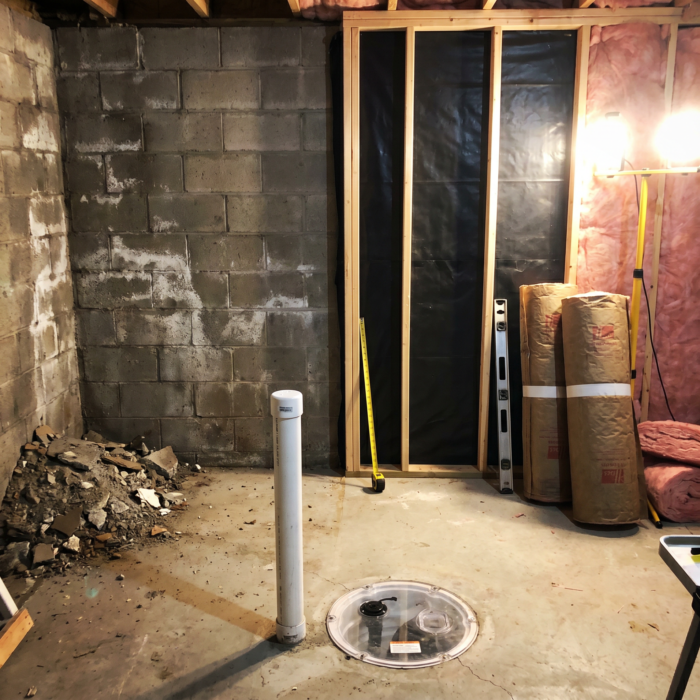
Demo reveals what the prior contractor buried. In Indianola basements finished before 2000, that often means water staining on foundation walls, mold growing inside fiberglass insulation, and framing that never had a moisture barrier behind it.
Central Iowa’s expansive clay soil holds water against foundation walls under constant lateral pressure. Freeze-thaw cycles open new cracks every winter. Any active moisture source gets resolved before rebuilding begins. According to the Iowa Department of Health and Human Services, 71.6% of Iowa homes test above the EPA action level of 4 pCi/L for radon. If mitigation is not already in place, we address it at this stage before the rebuild starts.
Read more about what to fix in your Iowa basement before any remodeling begins so you know what to expect at demo.
This is where the new floor plan takes shape. We add, move, or remove walls to create a layout that works for your household. In Indianola, the most common requests are opening up older compartmentalized layouts and creating a private guest suite for multigenerational living or a dedicated home office.
Pressure-treated lumber is required on all wood-to-concrete contact points per Iowa and IRC code. Load-bearing walls are properly supported before any removal happens. Iowa code requires a 7-foot minimum ceiling height for all habitable space. We plan every soffit and chase around existing beams and HVAC runs to maximize usable height throughout. See our guide to the best basement layouts for Iowa homes in 2026 for layout ideas before your consultation.
Many Indianola basements have small original windows that no longer meet today’s code or natural light expectations. If a remodel adds a bedroom, Iowa code requires an egress window with a minimum 5.7 sq ft net clear opening and a sill no more than 44 inches above the finished floor.
Most egress window installs in the Indianola area run $2,500 to $5,000 per window, including excavation and the window well. Even without a bedroom addition, window upgrades bring natural light into a below-grade space and improve ventilation year-round.
We handle all permit filing and inspection scheduling for window work. Learn more about common basement finishing mistakes in Des Moines homes, including the egress window errors that most often derail a resale.
A remodel is the right time to add or upgrade plumbing while the walls are open. Bathroom rough-in in the Indianola area typically costs $3,000 to $7,000, depending on distance from the main drain stack. Wet bar drains and supply lines are far easier to run now than after walls close.
If an existing basement bathroom needs updating, we scope it alongside the remodel so work is not duplicated. All plumbing is pulled with required permits and inspected to code by a licensed plumber.
Explore our bathroom remodeling services or read our guide on what a basement bathroom costs in Central Iowa before finalizing your scope.
Older Indianola basement electrical is often undersized and out of current code. Iowa’s NEC 2023 state amendment requires GFCI protection on all 125-volt, 15- and 20-amp basement outlets, finished or unfinished, not just near water sources.
Many Indianola homes built before 2000 have undersized panels or zero GFCI protection near wet bars and laundry areas. A remodel is the right time to bring everything current. We add outlets, circuits, and dedicated lines for entertainment systems, home offices, and workshops while the walls are open.
All electrical is performed by licensed electricians, pulled with permits, and inspected to code. See our full guide on common basement finishing mistakes in Des Moines homes so nothing is missed during the electrical review.
Remodeling a basement in Indianola often means relocating ductwork when layout changes move walls and put existing vents in the wrong positions for the new floor plan.
Iowa winters regularly drop below 0°F, and below-grade spaces in Warren County homes must have adequate heat distribution to stay comfortable and code-compliant through every season.
Any bathroom added during a remodel requires a code-compliant exhaust fan vented to the exterior. That is not optional under Iowa code.
We run a load calculation before extending any ductwork to confirm your existing HVAC system can handle the updated square footage. After the basement work is complete, we balance airflow across the whole house so no room runs hot or cold.
Read about basement air quality and ventilation in Central Iowa to understand what proper mechanical planning looks like below grade.
Older Indianola homes finished before 2000 commonly have fiberglass batt insulation pressed directly against foundation walls. That is a moisture trap. Fiberglass holds water against concrete and grows mold behind finished walls where no one sees it until demo day.
Iowa’s frost line sits at 42 to 48 inches. Below-grade walls need a material that resists cold transfer and blocks moisture vapor. Closed-cell spray foam or rigid foam board is the right call for foundation walls in Iowa’s climate. The U.S. Department of Energy confirms that continuous insulation against foundation walls outperforms cavity insulation for below-grade moisture control.
Spray foam on rim joists seals the most common air-leak point in any Iowa basement. We also add insulation between the basement ceiling and main floor to reduce noise transfer between levels.
Read our cost-benefit analysis of spray foam insulation in Iowa for a full breakdown of materials and long-term savings.
Indianola basements with any history of water intrusion need mold-resistant drywall on exterior walls. Standard drywall in a below-grade application that has seen moisture is a problem waiting to reappear behind new finishes.
Iowa code requires a 7-foot minimum ceiling height for all habitable basement spaces, including bedrooms and family rooms. Bathrooms and laundry areas are allowed at 6 feet 8 inches. Beams and ducts may project down to 6 feet 4 inches in non-habitable zones. We confirm ceiling clearance before any layout is drawn.
Ceiling finish options include drywall for the cleanest look, suspended tile for easy mechanical access, or open framing where height allows. We build soffits around ductwork, pipes, and beams to keep sight lines clean throughout every room.
Central Iowa’s expansive clay soil creates moisture pressure from below during wet seasons. Subfloor prep is not optional in any Indianola basement remodel. We check the slab for active moisture before any flooring material goes down.
Luxury vinyl plank is the most practical choice for Iowa basements. It is fully waterproof, handles the temperature swings common below grade, and holds up to heavy daily use. Learn more about Iowa flooring options: LVP, hardwood, or tile for basements and which material holds up best below grade.
Tile works well in bathrooms, wet bars, and utility areas. Carpet is still popular for bedrooms and family rooms but requires a proper vapor barrier underneath in any Iowa basement application. We repair or replace subfloor as needed before any new flooring is installed.
Poor lighting is the most common complaint about finished basements. Indianola homeowners with older builder-grade finishes often have undersized fixtures, inadequate recessed placement, or lighting designed for a layout that no longer exists. We plan lighting room by room based on ceiling height, intended use, and natural light availability.
Recessed LED cans, pendant fixtures over bars and islands, under-cabinet task lighting, and smart dimmer controls all have their place in a well-planned remodel. Custom features include wet bars, home theaters, built-in shelving, entertainment walls, home offices, gym buildouts, and guest suites. Compare your options in our guide to basement gym vs. family room vs. guest suite, which pays off most.
Final finishes cover trim, baseboards, door casings, hardware, outlet covers, towel bars, and cabinet pulls. These details separate a basement that looks done from one that actually is.
Most Indianola basement remodels run 8 to 14 weeks from permit approval to final walkthrough. Full rebuilds run 12 to 20 weeks. See our full guide on best basement layouts for Iowa homes in 2026 for layout-specific timelines and cost context.
The final walkthrough is where we go through every room together before calling the project complete. We check every surface, every connection, and every finish detail side by side with you so nothing gets left behind after the crew leaves. If anything does not meet the standard set at the start of the project, we fix it before handoff. No punch list left open. No promises to come back later.
We test every plumbing fixture, electrical outlet, light switch, exhaust fan, and GFCI circuit before you walk the space. Recessed lighting trim, baseboard corners, door casings, cabinet hardware, and transition strips all get a final check at this stage. Indianola homeowners who have dealt with contractors who disappear after the last check clears will notice the difference.
The crew removes all tools, materials, debris, and protective coverings before the walkthrough begins. Your basement is clean and ready to use on day one. We hand over all permit documentation and inspection records at project close. Those records protect your investment at resale and with your insurance carrier.
Most Indianola basement remodels run 8 to 14 weeks from permit approval to final walkthrough. Full rebuilds with bathroom additions, egress window installation, and moisture remediation run 12 to 20 weeks. We give you a written timeline before demo begins and update you at every phase transition. To get started, schedule a free basement remodeling consultation with Busy Builders today.
Since 2020, Busy Builders has completed 1,285+ projects across Central Iowa, including hundreds of basement remodels throughout Warren County and the surrounding communities. Our 99% satisfaction rate reflects what happens when every project starts with a written plan and ends with a walkthrough that confirms every detail is right. Learn more about our approach to basement remodeling in Central Iowa and what sets our process apart.









Basement finishing means converting a raw, unfinished space into livable area for the first time. Basement remodeling means updating, reconfiguring, or rebuilding a basement that already has some level of finish.
A remodel can mean a full demo and rebuild, a layout change, system upgrades, or a targeted finish refresh, depending on what the space needs. Many Indianola basements finished in the 1980s and 1990s fall into the remodeling category because the prior finish concealed moisture problems or code issues that must be corrected before new work begins.
Both services are available through Busy Builders. If your lower level is currently unfinished, see our basement finishing for unfinished spaces to understand which path fits your project.
Costs depend on how much of the existing finish needs to come out and what gets rebuilt. A mid-range basement remodel in Indianola, covering layout changes, updated systems, and new finishes throughout, runs $45,000 to $70,000. A full rebuild with custom features runs $70,000 to $90,000 or more. Costs vary by scope, materials, and complexity.
Bathrooms, egress windows, and moisture remediation are the three biggest budget drivers. Bathroom additions with existing rough-ins run $12,000 to $22,000. Slab trenching for new rough-ins runs $20,000 to $50,000 or more. Always budget 15 to 20% contingency. Basement remodels carry higher hidden-cost risk than finishing an unfinished space because demo reveals what the prior contractor buried.
For a detailed breakdown, read about basement finishing costs in Des Moines in 2026 and what affects basement finishing price in Des Moines. Busy Builders provides a written estimate before any work begins.
Most Indianola basement remodels run 8 to 14 weeks from permit approval to final walkthrough. Full rebuilds with bathroom additions, egress window installation, and moisture remediation run 12 to 20 weeks.
Permit processing in Indianola typically runs 1 to 3 weeks depending on scope. Moisture remediation, when needed, adds 1 to 2 weeks before framing begins. Bathroom rough-ins and egress window excavation are the two most common schedule variables on any basement remodel.
We build every project with a written timeline and update you at every phase transition. You know where your project stands before demo starts and at every step after that.
Yes, for most scope levels. Permits are required in Indianola when a basement remodel includes structural changes, new or relocated plumbing, electrical circuit work, HVAC modifications, or conversion of space to bedrooms or bathrooms. Cosmetic work, such as painting, flooring replacement, and fixture swaps, typically does not require a permit.
Skipping permits creates problems at resale, with insurance carriers, and during lender appraisals. Unpermitted basement bedroom conversions are among the most common issues flagged during home sales in Warren County. Busy Builders is a registered contractor verifiable at Iowa DIAL and handles all permit applications and inspection scheduling as part of every project. Iowa contractor registration requirements are governed by Iowa Code Chapter 91C.
Yes, and phased remodels are practical when budget or timing requires it. Many Indianola homeowners start with one area, such as the bathroom, the family room, or a bedroom conversion, and phase additional work over time.
We scope partial remodels with the same full assessment, written plan, and permit process as complete projects. Phased work can be designed from the start so each stage connects into one cohesive finished space. Nothing looks like it was done in separate rounds when the plan accounts for the full scope from day one.
The one non-negotiable: moisture and radon are assessed and addressed before any phase of new finish work begins, regardless of how the project is staged.
Yes, when done with permits and quality finishes. Below-grade square footage appraises at a lower rate than above-grade living area. Since 2022, Fannie Mae has required appraisers to report finished basement space separately from a home’s gross living area under the ANSI Z765-2021 appraisal standard. Basement square footage typically receives 50 to 70% of above-grade per-square-foot credit. Plan for 60 to 75% return at resale per NAHB remodeling data, plus years of daily use.
Buyers in the Indianola market actively look for updated lower levels. An outdated basement with carpet, drop ceiling, and aging finishes is a negotiating point for buyers. A rebuilt, permitted, fully functional lower level is not. The right way to think about it: a basement remodel is an investment in how your family lives today, with meaningful but partial recovery at resale.
Read more about how appraisers really value finished basements in Iowa before setting your budget expectations.
The expensive basement mistakes happen in the steps people skip on the way to picking flooring. This guide covers the errors we see most across Central Iowa basements, what...
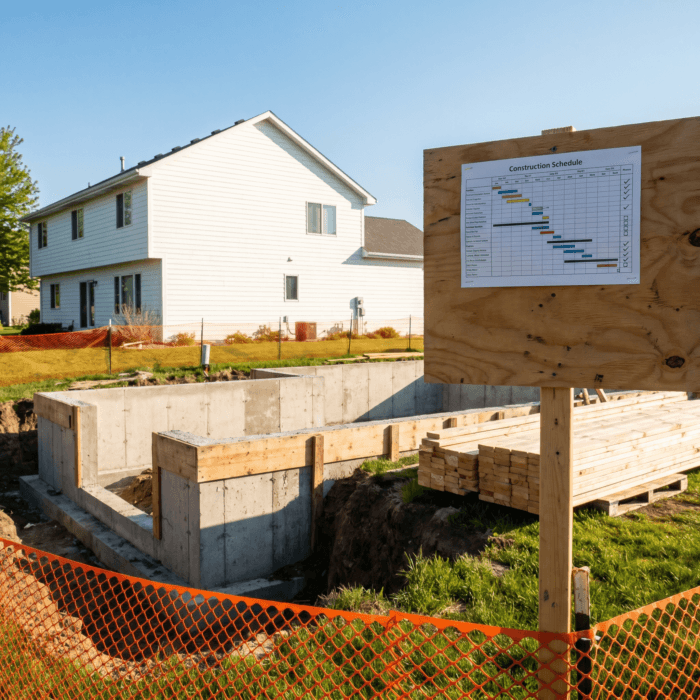
Most finished basements in the Des Moines metro take 6 to 10 weeks of construction, plus 2 to 4 weeks of design and permitting before the first saw runs....
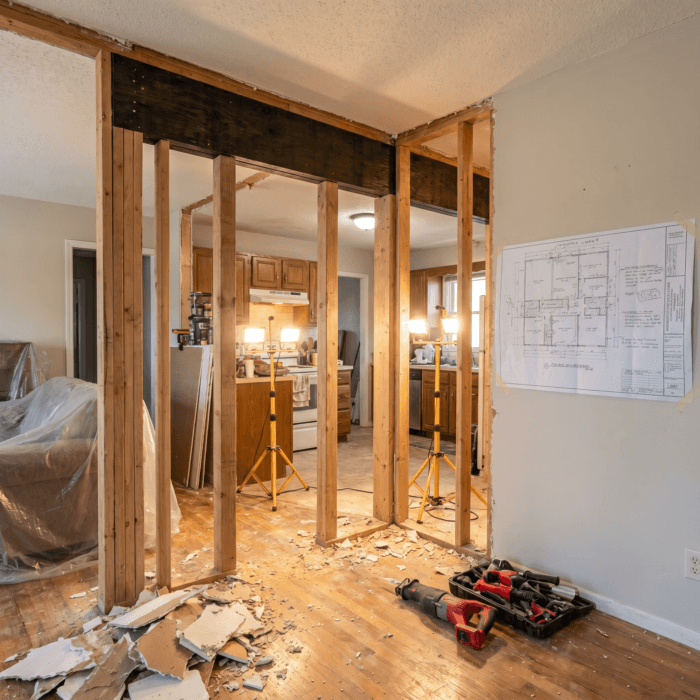
Finishing a basement yourself can save real money, and it can also cost you more than hiring it out on day one. This guide breaks down which parts of...