Every fall, Iowa homeowners weighing a remodel ask the same question: start now and work through winter, or wait for spring? The instinct is that construction stops when it gets cold, but that is only half true. Some projects are ideal for Iowa winters and some genuinely should wait. This guide breaks down which is which, why, and how to time a project so weather works for you rather than against you.
Busy Builders Team, Registered Iowa Contractor #C140184.
Published: September 19, 2026 | Last Updated: September 19, 2026
TLDR: Interior projects, kitchens, bathrooms, and basements, are excellent winter work in Iowa and often easier to schedule with shorter lead times. Anything needing excavation, foundations, or an open exterior wall is better timed so the weather-sensitive phase avoids the deep freeze. The real answer depends on the project type, not the calendar alone. Winter is a good time to plan and start interior work, and to design exterior work for a spring build.
The Instinct Is Half Right
The common belief is that construction shuts down for Iowa winter. That is true for some work and false for a lot of it.
What actually stops or gets harder in deep cold is anything involving the ground and the building envelope: excavation into frozen soil, pouring foundations, and leaving an exterior wall open to the elements. What does not stop is interior work in a heated, enclosed home, which is most remodeling.
So the honest question is not whether to remodel in winter. It is which parts of which projects are weather-sensitive, and how to schedule around that.
Pro Tip 1: Separate your project into weather-sensitive and weather-independent parts before deciding on timing. Most projects are a mix, and the mix determines the smart schedule.
Projects That Are Great Winter Work
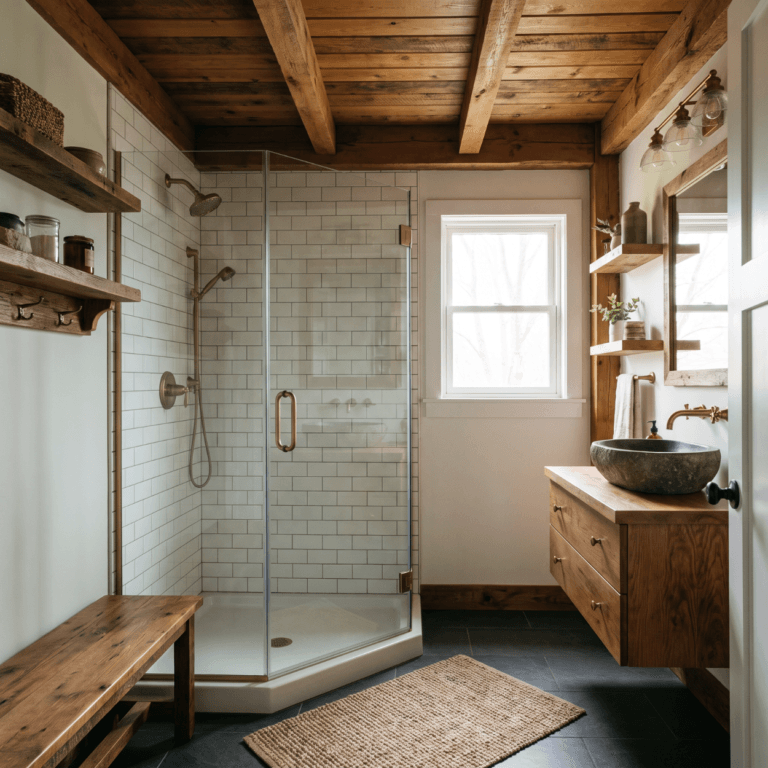
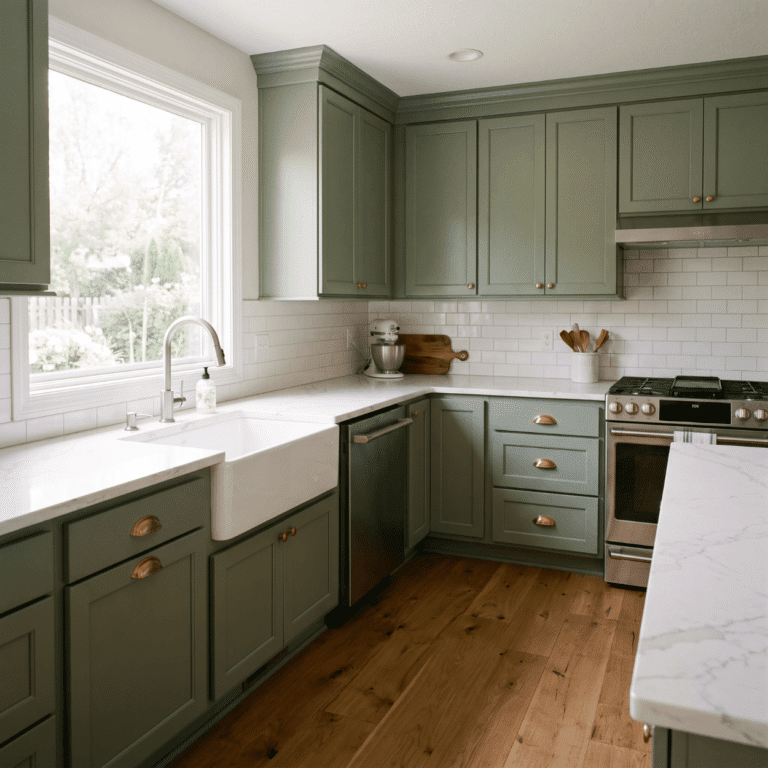
Interior remodels are well suited to Iowa winters, and there are real advantages to booking them then.
| Project | Why winter works |
|---|---|
| Kitchen remodel | Fully interior; heated workspace; nothing exposed to weather |
| Bathroom remodel | Interior; contained; unaffected by cold |
| Basement finishing | The most winter-friendly project there is; entirely below grade and heated |
| Interior reconfiguration | No exterior exposure; comfortable working conditions |
Basement finishing deserves the top spot. It happens entirely below grade in a heated space, so outdoor temperature is close to irrelevant to the work. A basement finish is arguably better in winter than summer, because the crew is comfortable and you are using space you were not using in the cold months anyway.
There is also a scheduling advantage. Demand for interior work often eases in winter compared to the spring and summer rush, which can mean shorter lead times to start and a contractor who can give your project focused attention.
Pro Tip 2: If you want a kitchen, bathroom, or basement done, winter is often the easiest time to get on the schedule. The spring and summer rush has not started, and interior work is unaffected by the cold.
Pro Tip 3: A basement finish is the ideal winter project. It is below grade, heated, and it turns unused cold-weather square footage into living space right when you want more of it.
Projects Better Timed Around the Freeze
Some work has a phase that genuinely fights Iowa winter, and forcing it costs money and quality.
| Project | The weather-sensitive phase |
|---|---|
| Home addition | Excavation and foundation below the frost line |
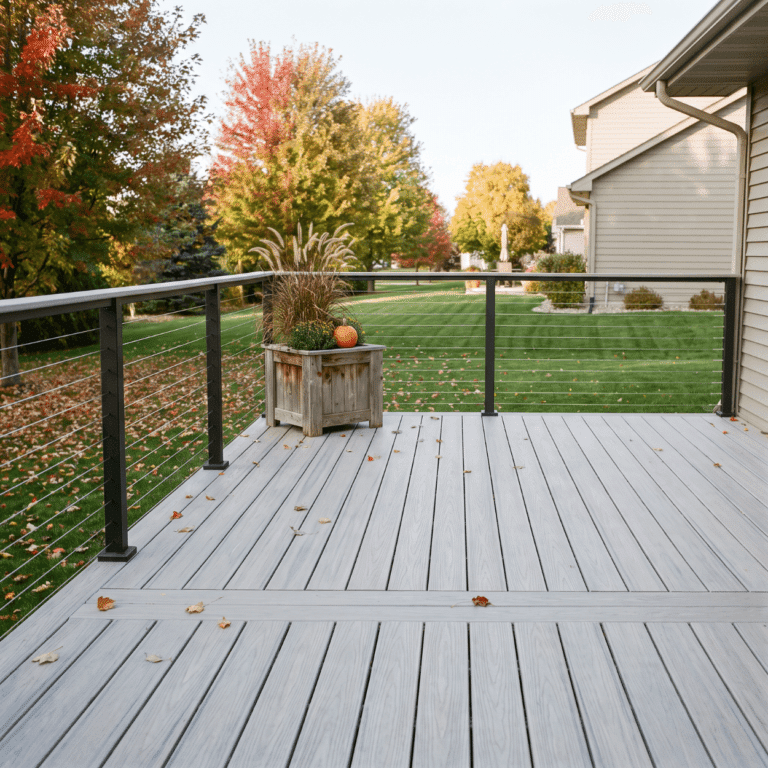
| Deck build | Footing excavation to 42 to 48 inches |
| Any project opening an exterior wall | The stretch the envelope is open to weather |
The issue with additions and decks is the ground. Iowa requires footings below the frost line, generally 42 to 48 inches, and excavating and pouring into deeply frozen soil is slower, harder, and more expensive. It is not always impossible, but the weather-sensitive phase is best scheduled to avoid the deep freeze.
That does not mean waiting until spring to do anything. It means using winter to design, engineer, permit, and order, so the build is ready to move the moment conditions allow.
Pro Tip 4: For an addition or deck, use winter for design, engineering, permitting, and material ordering. That front-loaded work is weather-independent, and it puts you first in line when the ground thaws.
Pro Tip 5: Ask your contractor how they handle an exterior wall opening in cold weather. On an addition, tying into the existing house means a period of exposure, and the plan for that stretch matters.
The Timing Comparison
| Factor | Start interior work in winter | Wait for spring |
|---|---|---|
| Scheduling ease | Often easier, shorter lead times | Competing with the busy season |
| Working conditions (interior) | Comfortable, heated | Same, plus busier crews |
| Excavation work | Harder and costlier if frozen | Ideal conditions |
| Foundation and footings | Best avoided in deep freeze | Ideal conditions |
| Living through it | Indoor disruption in the cold months | Disruption during nicer weather |
| Design and permitting | Winter is perfect for this | Also fine, but you have lost time |
The pattern: winter is excellent for interior builds and for the planning phase of exterior builds. Spring is ideal for the excavation and foundation phase. The best schedule usually uses both seasons for what each does well.
Pro Tip 6: The smartest timing often splits the difference: design and permit an addition over the winter, then build in spring. You lose no time and you avoid the frozen-ground penalty.
Living Through a Winter Remodel
If you do interior work in winter, a few realities are worth planning for.
Heat and dust management matter more when the house is closed up. A good contractor seals off the work area and manages dust, which is more important in winter when you cannot open windows. Access to a functioning kitchen or bathroom during the work needs planning regardless of season, but winter makes an outdoor workaround less pleasant.
The upside is real: your project finishes in time to enjoy the result before the outdoor season, and you have used the cooped-up months productively rather than waiting.
Pro Tip 7: For a winter interior remodel, confirm how the contractor contains dust and maintains heat in the work zone. With the house sealed against the cold, containment matters more than in summer.
Pro Tip 8: Set up your temporary kitchen or bathroom workaround indoors for a winter project. The garage-and-cooler approach that works in July is miserable in January.
Matching the Decision to Your Situation
| Your situation | Recommendation |
|---|---|
| Want a kitchen, bath, or basement done | Winter is a great time; book it |
| Planning an addition | Design and permit now, build in spring |
| Planning a deck | Design now, build after the ground thaws |
| Need more space for the holidays | A basement finish can deliver it |
| Not in a hurry, want ideal conditions | Interior anytime; exterior in spring |
The basement-for-the-holidays row is a genuine opportunity people miss. A basement finish started in fall or early winter can add finished living space, a rec room, a guest suite, exactly when a house feels smallest.
Pro Tip 9: If your house feels cramped in winter, a basement finish is the project that fixes it during the season you feel it, not six months later.
Pro Tip 10: Whatever the season, the design and permitting phase takes weeks. Starting that now means you are ready to build sooner regardless of which season the build lands in.
Pro Tip 11: Get your quote and design locked before your preferred build window, not during it. Contractors book the good weather early, and the planning work does not care what month it is.
Pro Tip 12: For any project with a structural or foundation component, have it evaluated by a qualified professional during design, so the weather-sensitive phase is fully planned before the ground work begins.
Our home remodeling service page covers the interior projects that make good winter work. For the ideal winter project specifically, our Des Moines basement finishing cost guide breaks down what finishing costs. To see the communities we serve, visit our service area page.
For primary sources, national residential code text is published by the International Code Council. Contractor registration is administered by the Iowa Department of Inspections, Appeals, and Licensing. For residential construction data, see the U.S. Census Bureau.
Frequently Asked Questions
Can you remodel a house in winter in Iowa? Yes, for interior work. Kitchens, bathrooms, basements, and interior reconfigurations happen in a heated, enclosed home and are unaffected by cold. What gets harder in winter is excavation, foundations, and any work leaving an exterior wall open, so those phases are best timed around the deep freeze.
Is basement finishing a good winter project? It is arguably the best winter project. A basement finish happens entirely below grade in a heated space, so outdoor temperature barely matters to the work. It also adds usable living space during the exact months a house feels smallest, and winter scheduling is often easier than the spring rush.
Should I wait until spring to build an addition? Not entirely. Use winter for design, engineering, permitting, and material ordering, which are all weather-independent, then build in spring when the ground has thawed. That avoids the cost and difficulty of excavating and pouring foundations into frozen soil while losing no overall time.
Why does frozen ground matter for additions and decks? Iowa requires footings below the frost line, generally 42 to 48 inches. Excavating and pouring into deeply frozen soil is slower, harder, and more expensive than working thawed ground. The foundation phase is the weather-sensitive part, so it is best scheduled to avoid the deep freeze.
Is it cheaper to remodel in winter? It can be easier to schedule, since demand for interior work often eases compared to spring and summer, which may mean shorter lead times and more focused attention. Cost depends on the project and market, but the scheduling advantage is real for interior work in the off-season.
What is the best use of winter for a spring project? Design, engineering, permitting, and ordering materials. These phases take weeks, are unaffected by weather, and doing them over winter means your build is ready to start the moment conditions allow, putting you ahead of homeowners who wait until spring to begin planning.
Key Takeaways
Great winter work – Kitchens, bathrooms, and basements are interior and unaffected by cold – Basement finishing is the ideal winter project – Off-season scheduling is often easier than the spring rush
Better timed around the freeze – Additions and decks need footings below the frost line – Frozen ground makes excavation slower and costlier – Use winter to design and permit, build in spring
Living through it – Dust and heat containment matter more with the house sealed – Plan an indoor kitchen or bathroom workaround
The smart schedule – Split exterior projects: plan in winter, build in spring – Lock design and permitting before your build window – Have structural components evaluated during design
Ready to Plan Your Project?
We have completed 1,285+ projects across Central Iowa since 2020, in every season. Whether you want a basement finished this winter or an addition designed now to build in spring, we will help you time it so the weather works for you.
Free consultation, no pressure, no obligation.
Call: 844-435-9800
Written warranty on workmanship (details provided in your contract).
Disclaimer: This article is for general information and is not project-specific advice. Project timing depends on scope, site conditions, weather, and current schedules. Foundation and excavation work must meet Iowa frost depth requirements and should be planned with a qualified professional. Structural work requires evaluation by a qualified professional. No specific outcomes, timelines, or costs are guaranteed. Consult a registered contractor for guidance specific to your project, and note that electrical, plumbing, and mechanical work is performed by licensed trade professionals.
Busy Builders | Full-Service Construction and Remodeling | Serving Central Iowa Since 2020