
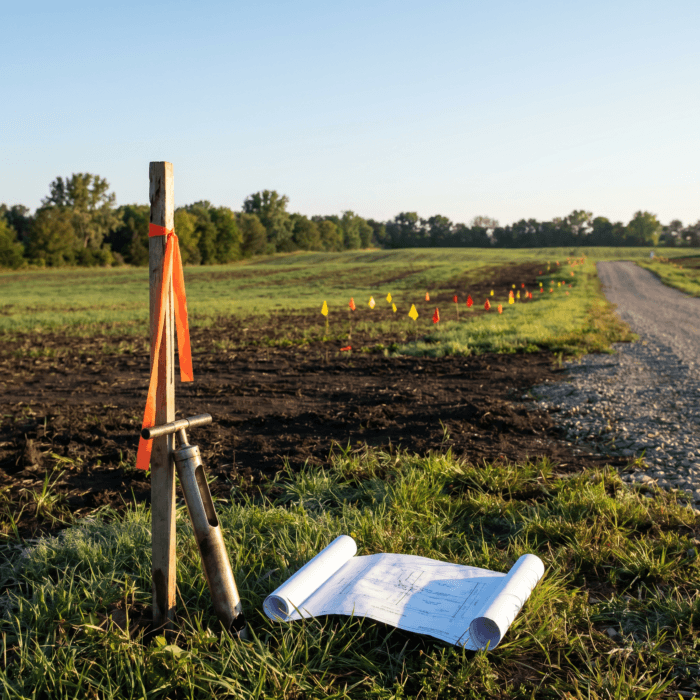
Building on Your Own Land in Iowa: What to Know Before You Start
Owning a piece of land and picturing your custom home on it is one of the most exciting places to start a build. It also comes with a set...


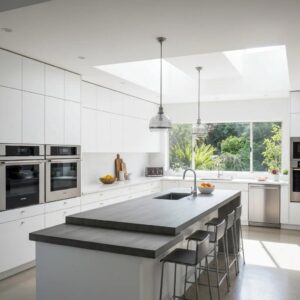
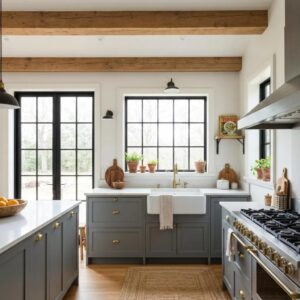



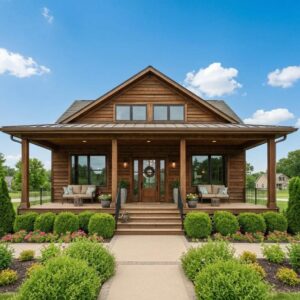
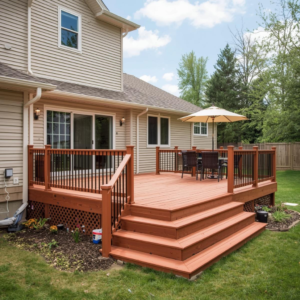
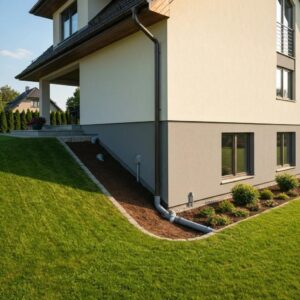
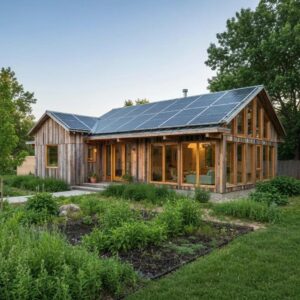
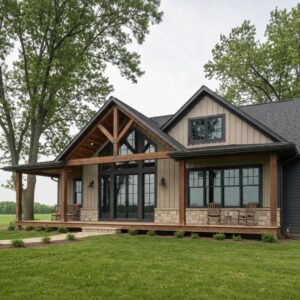
Every home build in Huxley starts with the land. Before any design work begins, we assess the lot for grade changes, drainage patterns, soil conditions, utility access, setback requirements, and orientation for solar exposure and prevailing Iowa winds. Huxley has seen active residential development in recent years, and newer lots in developing corridors require verification of utility stub locations and subdivision covenants before design begins. Older infill parcels require careful attention to existing drainage patterns. Our review of Iowa foundation and soil reality is a standard step on every Huxley build before a single design decision is made.
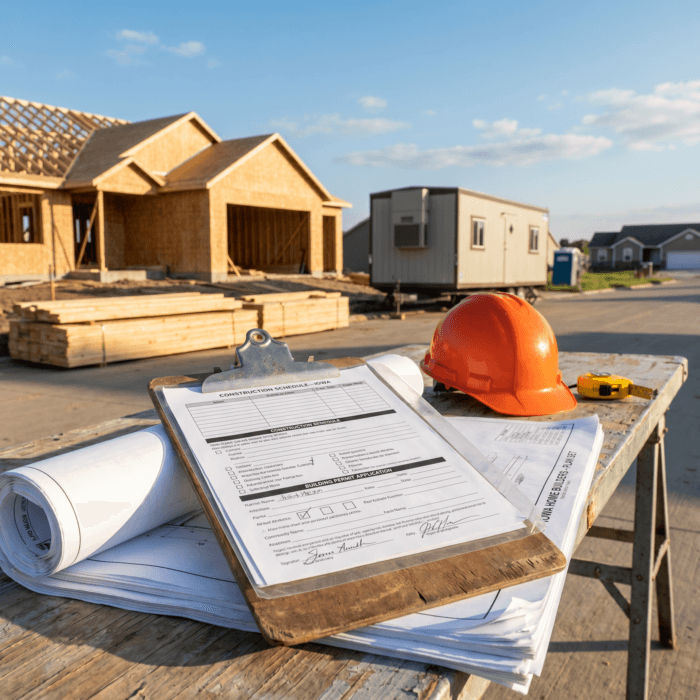
New home construction requires a building permit in every Iowa jurisdiction, including Huxley. The City of Huxley handles permit review at the local level, and smaller Story County communities often use third-party inspection services like Veenstra and Kimm. Iowa’s residential energy code requires energy compliance documentation with every permit application. Most complete applications in the Huxley market move through review within a few weeks. Read more about navigating home building permits in Iowa before your project starts. Busy Builders handles the full permit process from application to final inspection sign-off on every project.
Site prep covers clearing, grading, and excavating the lot to the design elevation before foundation work begins. Iowa clay soil requires careful grading so surface water drains away from the foundation during construction and after the home is occupied. Huxley lots in newer developments require verification of subdivision grading plans so drainage does not conflict with neighboring properties. All utility locate calls through Iowa 811 are completed before any excavation begins, as required by Iowa law. A geotechnical assessment, typically around $2,700, confirms soil bearing capacity before footing design is finalized. Per IBC Chapter 18, expansive clay soils require special foundation design to prevent long-term structural movement.
The foundation carries every load in the home and determines whether the structure stays level and dry for decades. Iowa’s frost line sits at 42 to 48 inches, and footings are set below it on every project. Skipping this step or relying on national cost guides that do not account for Iowa’s frost depth creates expensive problems that show up years after move-in. Huxley sits on the same expansive clay soil common across Central Iowa. That soil swells when wet and contracts when dry, putting lateral pressure on foundation walls and upward pressure on slabs. A geotechnical assessment before design begins prevents $30,000 to $100,000 in future foundation repairs. According to the NAHB 2024 Cost of Construction Survey, foundation work is consistently one of the highest-value investments in any new build. We treat the soil assessment as a standard step, not an optional add-on.
Mechanical rough-in is the most complex coordination step in a new home build. Plumbing drain lines, supply lines, and vent stacks are roughed in before concrete floors are poured where applicable. Electrical circuits and panel locations are laid out per Iowa NEC 2023 requirements. HVAC ductwork and equipment locations are confirmed before walls close. Huxley homeowners building new construction increasingly request dedicated circuits for EV charging and smart home systems. All of these are planned during rough-in, not added as afterthoughts. Licensed electricians and plumbers perform all trade work. Iowa DIAL registration covers our general contracting role, and you can verify our registration at dial.iowa.gov.
Insulation in a Central Iowa home has to perform across a temperature range that runs from well below zero in January to above 90 degrees in July. Iowa’s energy code requires exterior walls at R-20 or R-13 plus R-5 continuous, attic assemblies at R-49, and basement walls at R-15 continuous or R-19 cavity. Huxley builds at mid-range price points often use spray foam in rim joist cavities and band joists to reduce air infiltration where walls meet the foundation. Proper insulation also supports radon control. Iowa is the only state with every county in EPA Radon Zone 1, and 71.6% of Iowa homes test above the EPA action level according to Iowa HHS. Radon-resistant new construction techniques per IRC Appendix F are integrated during every build. Doing it during construction costs $500 to $800. Retrofitting after occupancy costs $1,800 to $2,500 or more.









New home construction in Huxley starts at about $150 per square foot for a standard build. Most mid-range builds in Central Iowa run $175 to $200 per square foot depending on size and finishes. A 2,000 square foot mid-range home typically lands in the $350,000 to $400,000 range before land. Iowa consistently runs 15 to 25% below the national average per the NAHB Cost of Construction Survey. Land in Huxley adds to the total depending on lot location and development stage. Costs vary by scope, materials, and complexity. Our Iowa home building costs guide covers the full pricing picture for Central Iowa builds in detail.
Most custom home builds in Central Iowa take 8 to 12 months from the first meeting to move-in. The pre-build phase, which includes design, lot assessment, financing, and permits, takes 2 to 4 months. Active construction runs 5 to 8 months. Final inspections and punch list add about a month. The U.S. Census Bureau reports that homes built for sale average 8 to 9 months, while custom owner-built homes average 12 to 13 months. Our breakdown of how long it takes to build a custom home in Iowa walks through what affects each phase of the schedule in detail. Start talking to a builder 6 to 12 months before your target move-in date.
Yes, without exception. New home construction requires a building permit in every Iowa jurisdiction. Huxley and Story County require structural drawings, energy compliance documentation, and a site plan with every permit application. Iowa follows the 2015 IRC with state amendments for all residential construction. Smaller communities like Huxley often use third-party inspection services to manage the review process. Busy Builders handles full permit coordination on every project. Our overview of Iowa residential construction regulations explains what to expect at each stage of the approval process.
Ranch and two-story homes of the same square footage cost approximately the same to build. The real difference is lot size. A 2,400 square foot ranch typically needs a larger footprint than the same square footage in a two-story plan. In Huxley, where lot availability is better than in the tighter Des Moines metro suburbs, ranch-style builds are common and practical. Two-story plans work well for families who want to keep living spaces and bedrooms on separate floors. Our guide comparing ranch vs. two-story custom homes in Iowa breaks down the cost and lifestyle differences clearly so you can make the right call for your lot and family.
Yes, and most standard custom home builds in Central Iowa land well under that number with thoughtful planning. At $150 per square foot, a $500,000 budget delivers roughly 2,800 to 3,300 square feet before land and contingency. At $175 per square foot, expect 2,400 to 2,600 square feet. Huxley land costs are generally more accessible than closer-in Des Moines metro lots, which helps stretch the budget further. Costs vary by scope, materials, and complexity. Read our full breakdown of how much it costs to build a custom home in Iowa in 2026 to see what different budgets realistically deliver.
A custom home is designed from scratch around your specific needs, built on a lot you select, with you involved in every major decision. A spec home is built on a fixed plan and sold after completion, which limits customization but can move faster if you need to close quickly. In Huxley, where active residential development continues along the I-35 corridor, both options exist. Tiny homes and multi-family builds are also possible, but zoning requirements vary by municipality and Busy Builders verifies those details before recommending any build type. Our post on what it costs to build a custom home in Iowa in 2026 covers how to decide which path fits your situation and budget.
Owning a piece of land and picturing your custom home on it is one of the most exciting places to start a build. It also comes with a set...
Hiring a general contractor is the single biggest decision in most home projects, yet many homeowners are not sure what a GC actually does or what Iowa requires of...
A general contractor turns a project you can describe into a building you can live in. In Iowa, the role carries legal duties, registration requirements, and coordination work most...