
Home Additions
Norwalk, IA
Norwalk’s estimated population grew 17.2 percent between April 2020 and July 2025. An addition here has to fit one of five R-1 lot classes, each with its own setbacks. The permit fee follows a formula the city adopted in 2026. This page covers what Norwalk requires before an addition goes up.
- Norwalk at a glance
Norwalk lots and households
Norwalk counted 8,945 residents in 2010 and 12,799 in 2020, and the average household holds 2.50 people. Zoning numbers come from Norwalk’s R-1 district rules and residential code.
17.2%
Growth, April 2020 to 2025
5,610
Households, 2020 to 2024
82.5%
Owner-occupied homes
One district
Norwalk Community School District
35 feet
Height limit in R-1
7,500 sq ft
Smallest R-1 lot
.0063
Permit fee multiplier
8,000 sq ft
Sprinkler exemption ceiling
- Permits and rules
Building an addition in Norwalk: lot and code rules
Yes, every Norwalk addition needs a building permit with detailed plans and a site plan. Your lot’s R-1 class sets the setbacks, and Norwalk’s amended 2021 code sets frost depth and sprinkler limits. These six rules decide what fits.
Five R-1 lot classes
Norwalk splits R-1 by lot width. R-1(60) lots need 30 feet in front, 7 feet per side and 35 feet in back. R-1(80) lots need 35 feet in front, 8 feet per side and 35 feet in back. R-1(100) lots need 40 feet front and rear and 12 feet per side, with 25 feet across both sides.
Older lots and open porches
A house on a lot recorded by January 1, 1998 can use side yards as small as 5 feet. Its rear yard need not exceed 20 percent of the lot’s depth, with a 20-foot minimum. A covered front porch that stays fully open and unenclosed may extend 8 feet into the front setback.
Plans and the fee formula
The permit file needs detailed building plans, a site plan showing the house, lot and all setbacks, and energy information. Norwalk sets the fee as gross floor area times the ICC February 2026 square foot construction cost times .0063. Review runs about 7 to 10 business days once everything is in.
Frost line and drains
Norwalk’s amended code lists a 42-inch frost line, so addition footings start below that depth. Footing drains must run to a sump pump that discharges apart from the sanitary sewer. A detached wood-frame garage of 1010 square feet or less may sit on a thickened floating slab instead.
Sprinklers and ADUs
No fire sprinkler system is required if the home stays at or under 8,000 square feet. That count includes every floor and the basement, finished or not, but not the garage. State law SF 592 allows an accessory dwelling unit up to 1,000 square feet or 50 percent of the house, whichever is larger. Cities cannot require owner occupancy.
Rebuild rights and outbuildings
Ordinance 26-13, passed August 20, 2026, covers destroyed one- or two-family homes and detached garages in R-1 or R-2. They can be rebuilt as nonconforming structures. Detached accessory buildings sit at least 5 feet from side and rear lines and 10 feet from the house. They top out at 15 feet.
- Our process
How Busy Builders builds your Norwalk home addition
We start by confirming which R-1 class your lot falls in, because the setbacks change with it. Then we draw the addition and the site plan, include the energy information Norwalk asks for, and submit the permit. Footings go below the 42-inch frost line, and footing drains tie to a sump that stays off the sanitary sewer.
Busy Builders has completed more than 1,285 projects across Central Iowa since 2020, and additions are among the jobs we build most. Licensed subcontractors handle the electrical, plumbing and HVAC under their own permits. Storm shelters, safe rooms and attached garages can be built into an addition when you ask.
- R-1 class and setbacks confirmed
- Plans, site plan and energy file submitted
- Footings below the 42-inch frost line
Lot class first, then drawings
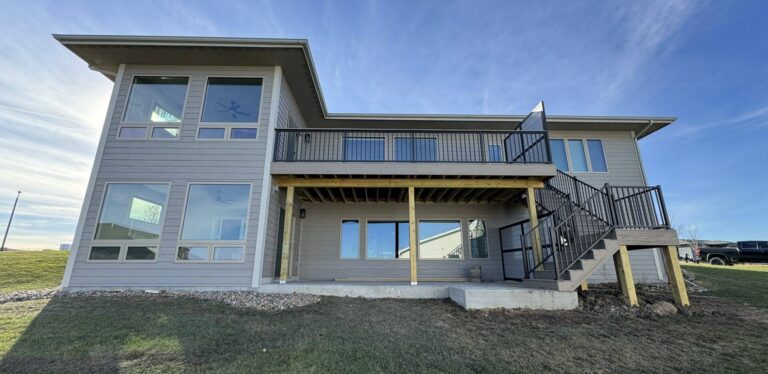
- Achievement
Trusted Home Addition Contractors in Norwalk
Since 2020, Busy Builders has completed more than 1,285 projects across Central Iowa. Norwalk families choose us because we show up, communicate clearly, and deliver what we promise.









- Frequently Asked Questions
FAQs About Home Additions in Norwalk
What does a home addition cost in Norwalk?
Additions start at about $300 per square foot. Final costs vary by scope, materials, complexity and location within our service area. Foundation depth, how the new space ties into the house, plumbing and finishes move the number most. Norwalk’s permit fee is separate and follows the city’s floor-area formula, and our written estimate shows both.
How close to my property line can I build an addition in Norwalk?
It depends on your R-1 class. Side yards run from 7 feet on R-1(60) and R-1(70) lots to 12 feet on R-1(100) lots. Rear yards are 35 feet, or 40 feet on R-1(100). Lots recorded by January 1, 1998 can use 5-foot side yards. Gutters and overhangs may project up to 24 inches.
Will my Norwalk addition need fire sprinklers?
Not if the whole home stays at or under 8,000 square feet. Norwalk counts every floor level and the basement, finished or unfinished, and leaves the garage out of the total. We add up the square footage before the drawings go in, so the answer is settled early.
Can I add an ADU in Norwalk?
Iowa’s SF 592 lets homeowners add an accessory dwelling unit up to 1,000 square feet or 50 percent of the house, whichever is larger. Cities cannot require the owner to live on site. Norwalk’s R-1 setbacks and 35-foot height limit still shape where the unit can go on your lot.
How does Norwalk figure the permit fee for an addition?
Norwalk multiplies the addition’s gross floor area by the ICC February 2026 square foot construction cost, then by .0063. Starting work before the permit is issued adds a fee equal to 100 percent of the usual permit fee. Renewing a permit costs 20 percent of the original fee.
Can a nonconforming house in Norwalk be rebuilt if it is destroyed?
Ordinance 26-13 was passed August 20, 2026. It clarifies that a destroyed one-family home, two-family home or detached garage in R-1 or R-2 can be rebuilt as a nonconforming structure. Ask the building department how it applies before planning a larger footprint on the same lot.
- Newest Blogs
Home Addition Blogs for Norwalk Homeowners
ADU vs Basement Suite for Aging Parents in West Des Moines
Read MoreAn ADU or a basement suite for a parent moving in? Iowa SF 592, costs, appraisal treatment and step-free access compared for West Des Moines.An ADU or a basement suite for a parent moving in? Iowa SF 592, costs, appraisal treatment and step-free access compared for West Des Moines.An ADU or a basement suite for a parent moving in? Iowa SF 592, costs, appraisal treatment and step-free access compared for West Des Moines.
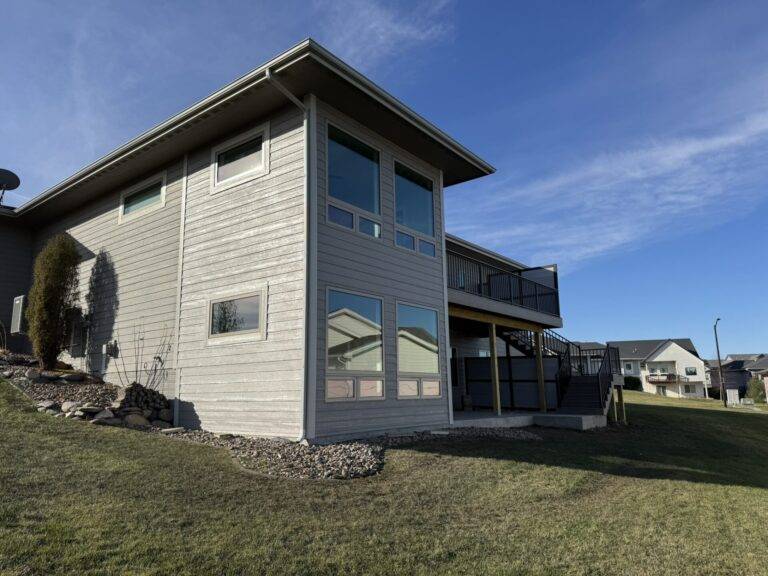
Basement Addition vs Second-Story Addition in Ankeny: Which Way to Grow
Read MoreBasement addition or second-story addition in Ankeny: cost, permits, appraisal value and disruption compared for ranch and split-level homes.Basement addition or second-story addition in Ankeny: cost, permits, appraisal value and disruption compared for ranch and split-level homes.Basement addition or second-story addition in Ankeny: cost, permits, appraisal value and disruption compared for ranch and split-level homes.
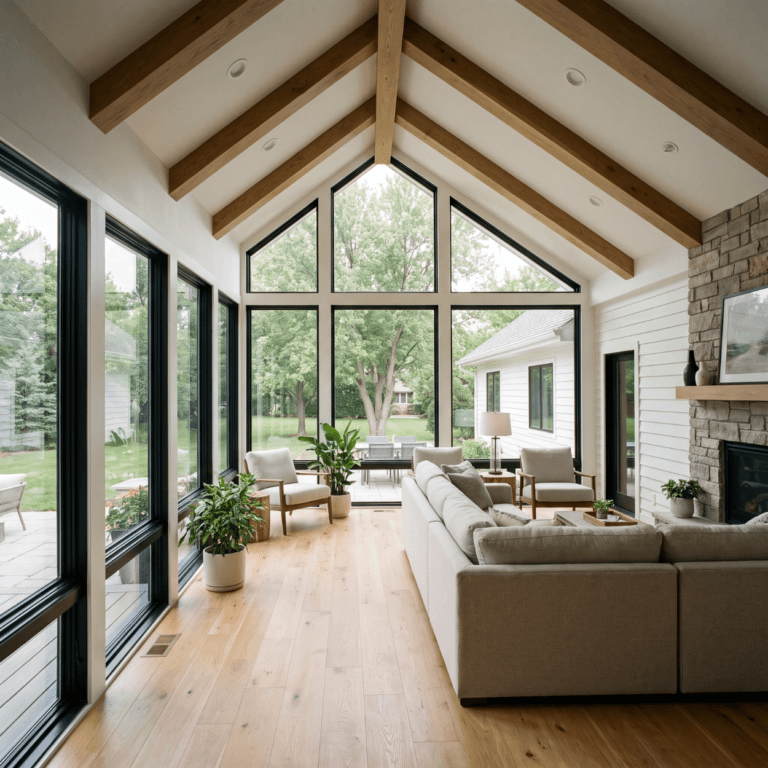
Home Addition Cost in Pleasant Hill, Iowa: 2026 Guide
Read MoreHome additions in Pleasant Hill start at $300 per square foot. Cost by type, Iowa frost line rules, and how suburban lot constraints affect the plan.Home additions in Pleasant Hill start at $300 per square foot. Cost by type, Iowa frost line rules, and how suburban lot constraints affect the plan.Home additions in Pleasant Hill start at $300 per square foot. Cost by type, Iowa frost line rules, and how suburban lot constraints affect the plan.