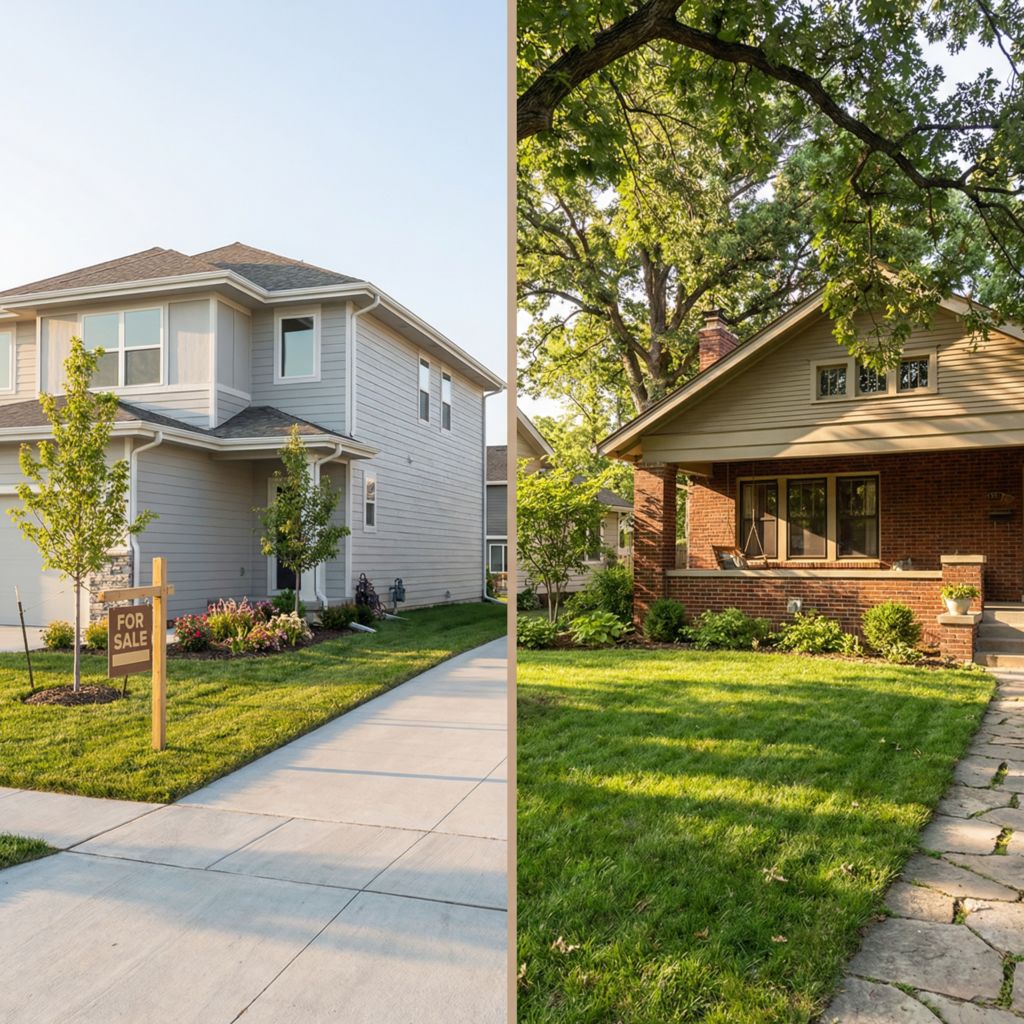
Every Des Moines buyer eventually faces the same question: build new or buy existing? In 2026, the national data tells one story and the Midwest data tells another, and understanding both is the key to making a clear-headed decision. This guide walks through what the numbers actually mean for Des Moines buyers, what each path truly costs, and how to figure out which option fits your situation.
This article is for informational purposes only and does not constitute real estate, legal, or financial advice. Cost figures are estimates based on 2025 to 2026 Iowa market data and will vary by property and circumstances.
TLDR: In 2026, new construction in Des Moines is closer in price to existing homes than it has been in years, and builders are offering rate buydowns and incentives that shift the math further. But new construction costs more than the base price suggests, and existing homes in Des Moines proper offer options under $220,000 that new construction cannot match. Your budget, timeline, and location priorities will determine the right call.
The Des Moines Market in 2026: Setting the Stage
Before comparing your options, it helps to know what the market actually looks like right now. The Des Moines metro had 3,826 active listings as of January 2026, per the Des Moines Area Association of REALTORS, up about 11% versus January 2025. That increased inventory gives buyers more negotiating room on both sides of the new-versus-existing decision.
The metro median sale price is about $295,000 as of early 2026, up 3.5% year over year, with the Des Moines Area Association of REALTORS reporting a median of 68 days on market in January 2026. That number matters: a 68-day median means the frenzied multiple-offer environment of the early 2020s has largely passed. West Des Moines and Ankeny are still leading metro price growth at 8.1% and 7.8% year over year, respectively.
Here is where the national data and the Midwest data diverge. According to NAHB’s Eye on Housing, the national median new home price in Q4 2025 was $405,300, while the median existing home price was $414,900, meaning new homes have actually dipped below existing home prices nationally in five of the last seven quarters, the opposite of the historical norm. But in the Midwest, new homes still commanded a premium of about $60,700 over existing homes in that same period. The national reversal is real; in Central Iowa, the traditional price gap still exists in most suburban markets. What has changed is the degree: builder incentives and rate buydowns are compressing the effective cost difference in ways that were not available two years ago.
One important local clarification: the median for Des Moines city proper is approximately $217,000 as of early 2026, well below the metro median. That lower number reflects the city’s older, denser housing stock. New construction in the metro is concentrated in suburban markets like Grimes, Waukee, and Johnston, where prices run $300,000 to $400,000 and up. Comparing the city proper to suburban new construction is comparing two different markets.
New Construction in Des Moines: The Real Picture
New construction gives buyers something that existing homes cannot: a home built to 2026 standards with no deferred maintenance and a warranty in place from day one.
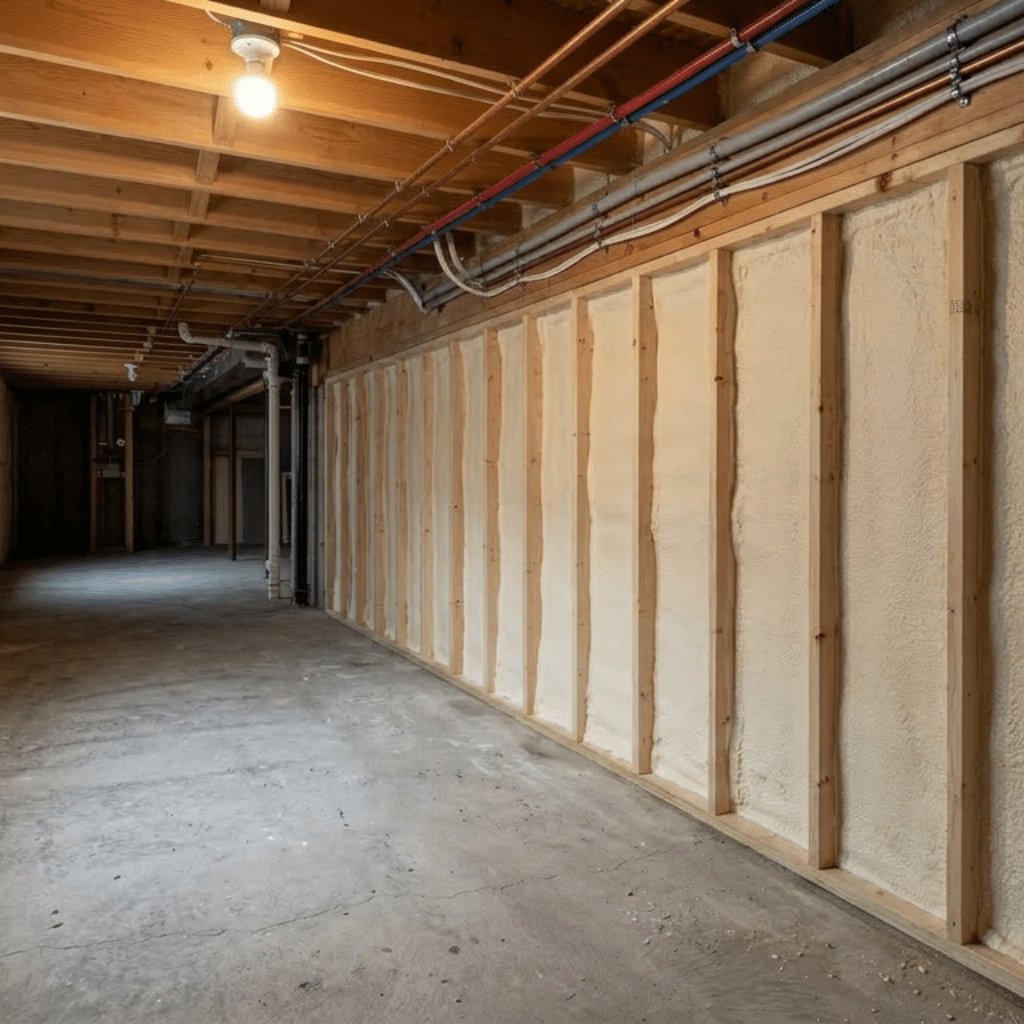
Iowa’s current residential energy code is the 2021 IECC (effective statewide January 2023), which requires R-20 wall insulation and tighter building envelopes. According to U.S. DOE and Pacific Northwest National Laboratory analysis of Iowa’s 2021 IECC adoption, homes built to those standards generate an estimated $336 in energy savings per year compared to homes built under older codes, roughly a 12.7% reduction in regulated energy costs. Those savings compound over time.
Iowa’s new construction typically includes one year of coverage for artistry and materials, two years for major systems such as HVAC, plumbing, and electrical, and up to 10 years for major structural defects. Coverage terms vary by builder, so always review the warranty document before closing and confirm what is and is not covered in writing.
Builders are currently offering incentives that have not been common for several years. Some Central Iowa production builders are advertising up to $40,000 in savings on select move-in-ready homes, and national builders have offered rate buydowns to the 3.99% to 4.99% range in select markets. These programs change frequently, confirm directly with the builder before making any assumptions.
What catches buyers off guard is the gap between the base price and the actual all-in cost. The table below reflects common additions to a production home’s base price. These are planning estimates; actual amounts vary by builder and community.
| Hidden Cost Category | Typical Range | What to Know |
|---|---|---|
| Design center upgrades | $20,000-$80,000+ | The model home is rarely the standard package |
| Lot premiums | $5,000-$30,000+ | Cul-de-sac, corner, or view lots cost more |
| Landscaping and sod | $3,000-$15,000 | Rarely included in the base price |
| HOA fees | Varies | Common in new subdivisions |
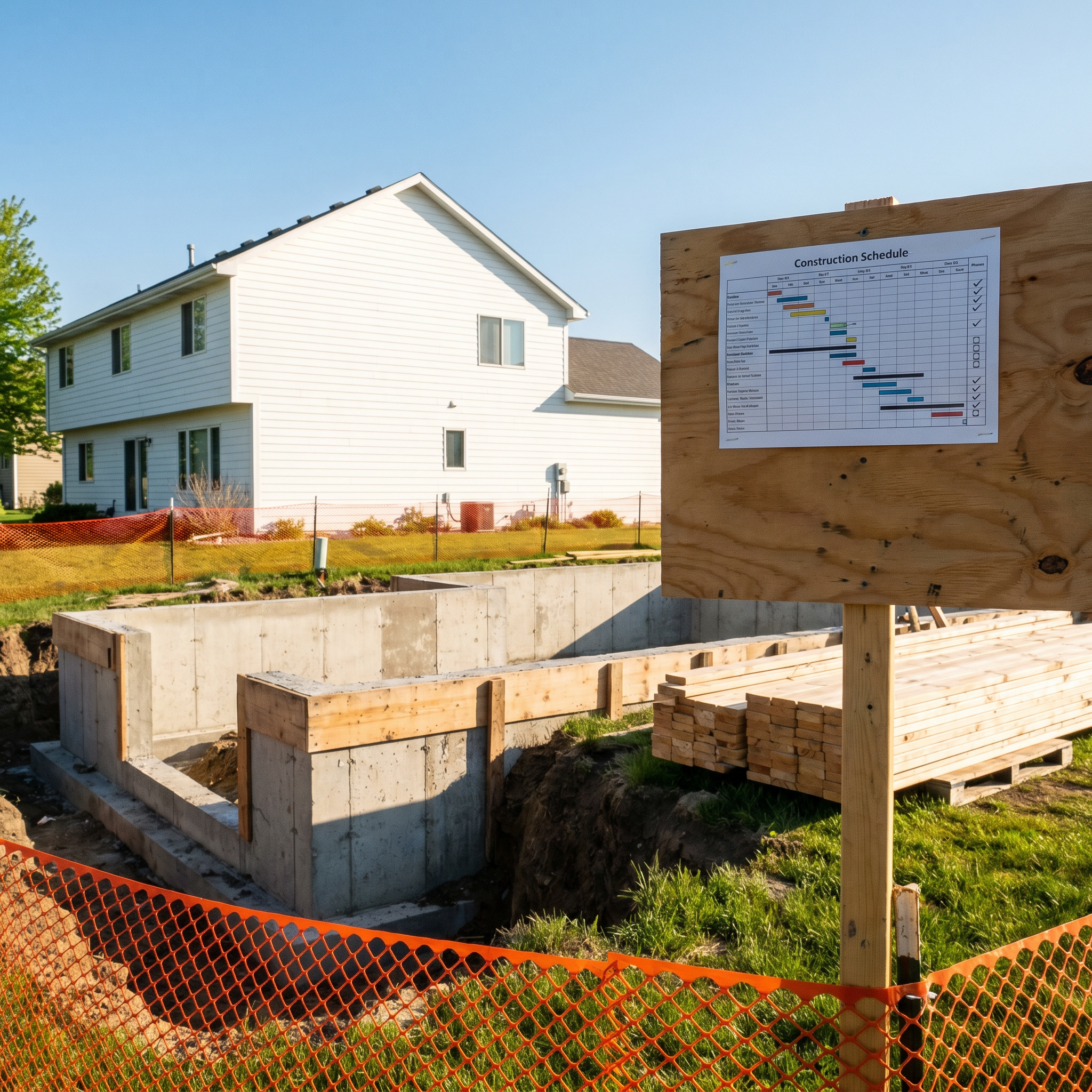
| Extended timeline | 3-6 months (production); 10-15 months (custom) | Versus a 30-60 day existing home close |
Pro Tip: Ask any production builder for a written, itemized list of what the standard package includes before you sign a purchase agreement. The model home you toured almost certainly has tens of thousands of dollars’ worth of built-in upgrades.
For buyers weighing a fully custom build, see our Iowa home building overview and our guide to Iowa construction financing.
Existing Homes in Des Moines: The Real Picture
The strongest argument for an existing home in Des Moines is access. Neighborhoods like Beaverdale, Drake, Sherman Hill, and Valley Junction are markets for existing homes only. No production builder is putting up new homes there. If location matters more to you than a fresh warranty, an existing home may be your only realistic path.
The Des Moines city-proper median of approximately $217,000 is also genuinely accessible in a way that new construction is not. First-time buyers with budgets in the $175,000 to $250,000 range will find far more options in the existing market.
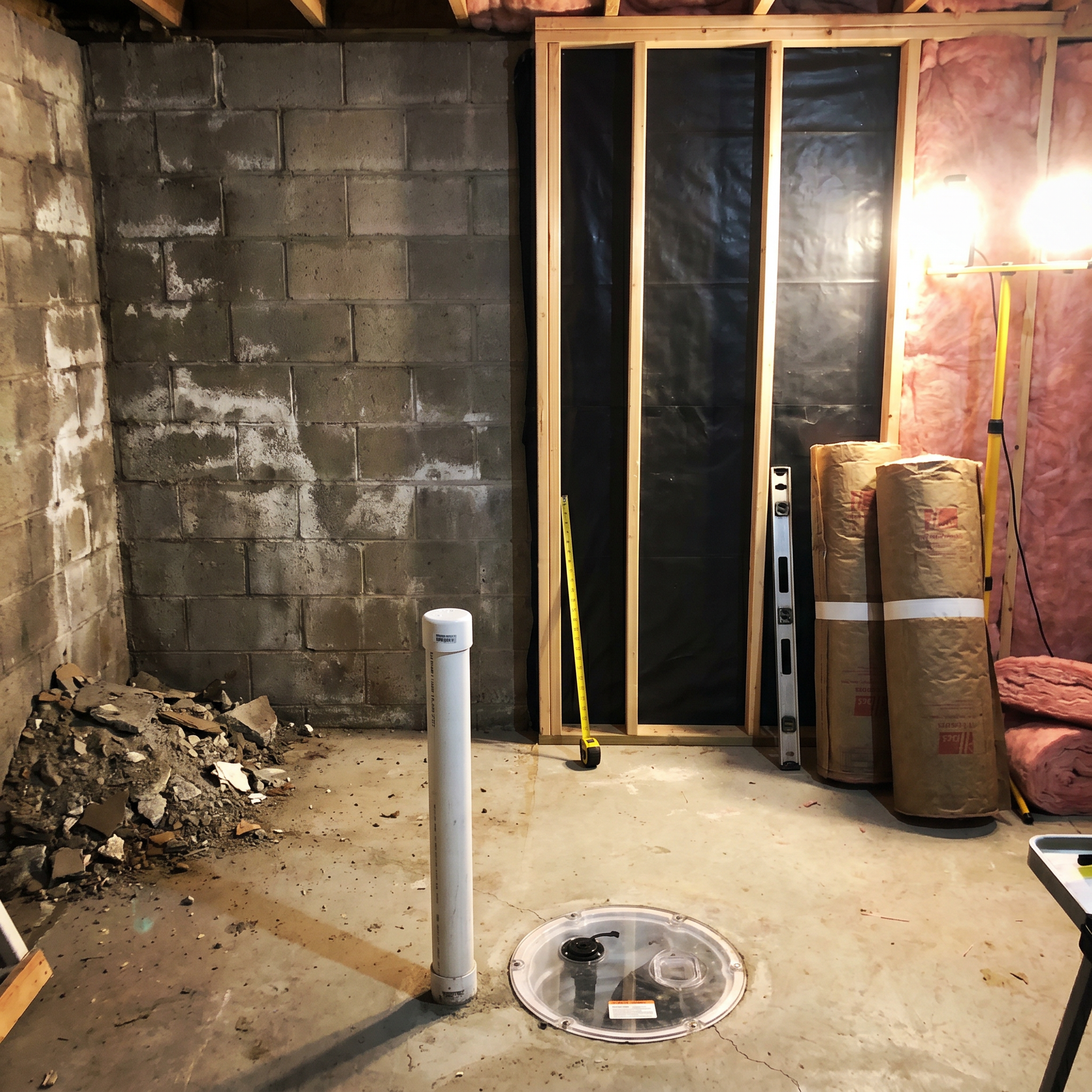
The catch is hidden costs that buyers frequently underestimate. Budget between $5,000 and $25,000 for immediate repairs after closing on a home from the 1970s, 1980s, or 1990s, which describes a large portion of Des Moines housing stock. A professional home inspection ($350 to $600 in the Des Moines metro) is essential and should include specialty inspections for radon and, on older properties, sewer scope and foundation assessment.
Iowa is the only state where every county is in the EPA’s Radon Zone 1, the highest risk classification. According to the Iowa Radon Survey, about 71.6% of Iowa homes test above the EPA action level. Retrofitting an existing home with a radon mitigation system after purchase typically runs $1,500 to $3,000 or more. Installing Radon Resistant New Construction techniques during a new build typically costs $500 to $1,500. If you are buying an existing home, always test for radon and budget for mitigation.
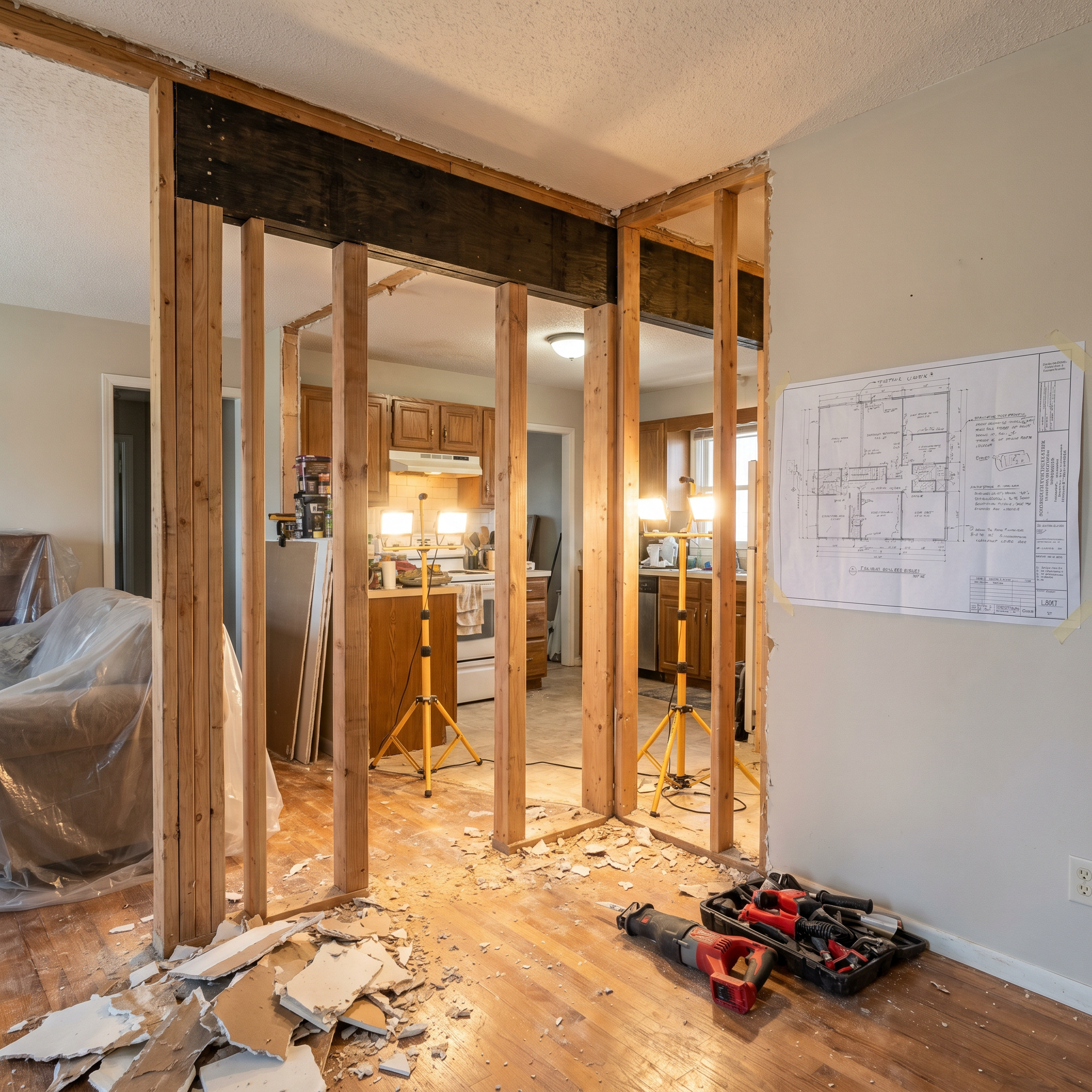
Closing costs on an existing home purchase typically run 2% to 3% of the purchase price, on a $285,000 home, that is $5,700 to $8,550 due at closing, in addition to the down payment. And if you plan to significantly update an older home, a mid-range whole-house remodel in Des Moines currently costs $60,000 to $120,000. Our Des Moines whole-house remodeling cost guide covers the full breakdown.
2026 Side-by-Side Comparison
Planning reference only. Actual costs vary by property, neighborhood, and market conditions.
| Factor | New Construction | Existing Home |
|---|---|---|
| Price (metro median) | ~$405,300 nationally; suburban DSM varies | ~$295,000 metro; ~$217,000 city proper |
| Timeline to close | 3-6 months (production); 10-15 months (custom) | Typically 30-60 days |
| Warranty | Yes, 1yr workmanship, 2yr systems, up to 10yr structural | Varies; older homes are often less efficient |
| Customization | High (custom); limited (production spec) | Requires renovation to change |
| Energy efficiency | Higher, built to 2021 IECC | Varies; older homes often less efficient |
| Deferred maintenance | Low (first 5-10 years) | Moderate to high based on age and condition |
| Neighborhood character | Newer suburban developments | Established neighborhoods, mature landscaping |
| Negotiating leverage | Limited, builders protect comp values | More flexibility with individual sellers |
| Radon cost | $500-$1,500 built in during construction | $1,500-$3,000 retrofit after purchase |
| Hidden costs | Upgrades, lot premiums, landscaping, HOA | Repairs, inspection fees, radon, closing costs |
Which Option Fits Your Situation?
Neither path is universally better. The right choice depends on what you need.
New construction tends to appeal to buyers who want zero deferred maintenance for the first decade, who need the warranty security that comes with a new build, who are targeting the Ankeny, Grimes, or Johnston suburbs, or who want to take advantage of current builder-rate buydown incentives. It also suits buyers who plan to age in place and want to spec a single-floor ranch with built-in accessibility features from the start.
Existing homes tend to suit buyers who need to close and move within 60 days, who are targeting specific Des Moines neighborhoods like Beaverdale or Drake that have no new-construction options, whose budgets are under $250,000, or who value mature landscaping and established community character that new developments take years to build.
For buyers in the $300,000 to $450,000 range, both options are genuinely available in the Des Moines metro, and a side-by-side comparison of specific communities within that budget is worth doing before deciding.
Two Scenarios That Make the Tradeoffs Real
Illustrative scenario: A family targets Ankeny with a $350,000 all-in budget. Production homes in that area start at around $ 280,000 and go up to $350,000. They lock a below-market rate using a builder’s rate buydown program and avoid $15,000 to $25,000 in immediate repairs. The trade-off: they close in four to five months and spend $10,000 to $20,000 on landscaping and design center upgrades, which are not included in the base price. This is an illustrative scenario, not a guarantee of pricing.
Illustrative scenario: A first-time buyer targets Des Moines proper with a $225,000 budget. The city-median sale price of around $217,000 puts multiple options in range. A home inspection turns up an aging furnace and a roof that will need replacement within five years. The buyer negotiates $8,000 in seller concessions, adds $5,700 in closing costs, and moves into a Beaverdale bungalow in a walkable neighborhood within 45 days, an option simply not available in new-construction-only suburbs. This is an illustrative scenario, not a guarantee of pricing.
FAQs
Q: Are new homes actually cheaper than existing homes right now? Nationally, for the first time in recent history, that is true. According to NAHB and Census Bureau data for Q4 2025, the median new home price was $405,300, versus $414,900 for existing homes, with existing homes exceeding new homes in five of the last seven quarters. In the Des Moines metro, pricing depends heavily on location: city-proper existing homes skew below $220,000, while suburban new construction starts higher. Compare within the same suburb and price tier for an accurate read.
Q: What hidden costs should I expect with new construction in Des Moines? The most common surprises are design center upgrades, lot premiums on desirable lots, landscaping (often not included in the base price), and HOA fees in new subdivisions. Budget at least $15,000 to $30,000 above the base price for upgrades and site-related costs. Ask the builder for a written, itemized list of standard inclusions before signing.
Q: What should I budget for repairs on an older Des Moines home? Budget between $5,000 and $25,000 for immediate repairs after closing, depending on age and condition. That covers items like HVAC service, water heater replacement, or minor electrical updates. Always get a professional home inspection ($350 to $600 in the metro) before purchasing. A full mid-range remodel can range from $60,000 to $120,000 or more. See our Iowa home building permits guide if your renovation will require permits.
Q: Do new homes in Iowa come with a warranty? Yes, generally. Iowa’s new-construction warranty typically includes one year for artistry and materials, two years for major systems, and up to 10 years for major structural defects. Terms vary by builder, always review the warranty document before closing and confirm what is and is not covered in writing.
Q: What should I know about radon when choosing between new and existing? Radon matters for both options, but the cost and timing differ. Iowa is the only state where every county is an EPA Radon Zone 1, and according to the Iowa Radon Survey, about 71.6% of Iowa homes test above the EPA action level. Installing Radon Resistant New Construction techniques during a new build typically costs $500 to $1,500. Retrofitting an existing home after purchase typically runs $1,500 to $3,000 or more. For existing homes, always include radon testing in your inspection and budget for mitigation. For new homes, confirm whether RRNC was installed during construction.
Q: Is 2026 a good time to buy new construction in Des Moines? The 2026 environment has several buyer-friendly features: more inventory (up about 11% versus early 2025), builder incentives, including rate buydowns on move-in-ready homes, and a more balanced market, with a median days-on-market of 67. That said, whether 2026 is a “good time” depends on your specific budget, timeline, and goals, not on market conditions alone. Before any construction commitment, verify the builder’s registration at dial.iowa.gov and review the purchase agreement carefully.
Key Takeaways
The 2026 DSM market
- Metro median is about $295,000; city-proper median is about $217,000, two very different markets.
- Inventory is up 11% vs. early 2025, giving buyers more room to negotiate on both sides.s
- Nationally, new homes are now slightly cheaper than existing homes, a historic revers.al
New construction
- Built to 2021 IECC energy codes with an estimated $336/year in savings vs. older-code homes (DOE/PNNL analysis)
- Warranty protection is real, but confirm specifics in writing before closing.
- Budget $15,000-$30,000 above base price for upgrades, landscaping, and lot premiums
- Builder rate buydowns are currently available, ask what is offered on move-in-ready inventory.
Existing homes
- Access to neighborhoods like Beaverdale, Drake, and Sherman Hill that have no new construction
- Budget $5,000-$25,000 for immediate repairs; always get a professional inspection
- Radon retrofitting runs $1,500-$3,000; factor it in when comparing the true all-in cost.s
- Faster closing (30-60 days) and more negotiating leverage with individual sellers
Iowa-specific factors that affect both choices
- All Iowa counties are EPA Radon Zone 1, test and plan for mitigation, regardless of which path you choose
- Always verify any general contractor’s registration at dial.iowa.gov before signing.
Ready to Think Through Your Next Move?
Both paths have real advantages for the right buyer. If you are weighing a custom build, a production home, or a major renovation of an existing home, Busy Builders has helped more than 1,285 Central Iowa homeowners navigate those decisions since 2020.
We handle new home construction, home remodeling, home additions, and everything in between, so we can give you a straight answer on either path. There is no agenda in the conversation: just an honest look at what your budget, timeline, and goals actually support.
Call us: 844-435-9800 Website: busybuildersiowa.com
We serve Des Moines, West Des Moines, Ankeny, Grimes, Waukee, Johnston, and communities across all ten of our Central Iowa service counties. Check our full service area to confirm we serve your location, then schedule your free consultation.
Busy Builders | Full-Service Construction and Remodeling | Serving Central Iowa Since 2020