Iowa homeowners face some of the most demanding conditions for home energy performance in the country. Subzero winters, humid summers, and housing stock built before modern energy codes all drive utility bills higher than they need to be. This guide ranks the most common energy efficient upgrades by payback period, with Iowa-specific costs and honest timelines so you can decide where your remodeling dollars work hardest.
TLDR: LED lighting and smart thermostats pay back in under two years. Attic insulation and heat pump water heaters follow in three to seven years. Windows and HVAC upgrades cost more and take longer but add comfort and resale value. Federal energy tax credits expired December 31, 2025. Utility rebates from MidAmerican, Alliant, and other Iowa providers are still active. Read on for the full breakdown.
You added up last winter’s utility bills and the number surprised you. That is a common experience for Iowa homeowners, especially in older Des Moines neighborhoods where homes built in the 1950s through 1980s often still have the original insulation, aging furnaces, and single-pane windows.
The good news is that energy efficient remodeling has a clear priority order. Some upgrades pay for themselves in under a year. Others take a decade but add meaningful comfort and resale value. Knowing which is which helps you spend strategically, whether you are planning a quick improvement or bundling energy work into a whole house remodel.
Why Iowa Homes Need a Different Energy Approach
Iowa sits in Climate Zone 5A, which means extreme temperature swings in both directions. Des Moines sees subzero cold snaps in winter and 90-degree stretches in summer. The average Iowa household spends roughly $106 to $127 per month on electricity and more on natural gas, with combined utility bills often exceeding $200 per month during peak seasons.
Heating and cooling account for 50 to 70% of home energy use. That is where the biggest savings live, and it is why insulation, air sealing, and HVAC efficiency top every priority list for Iowa homes.
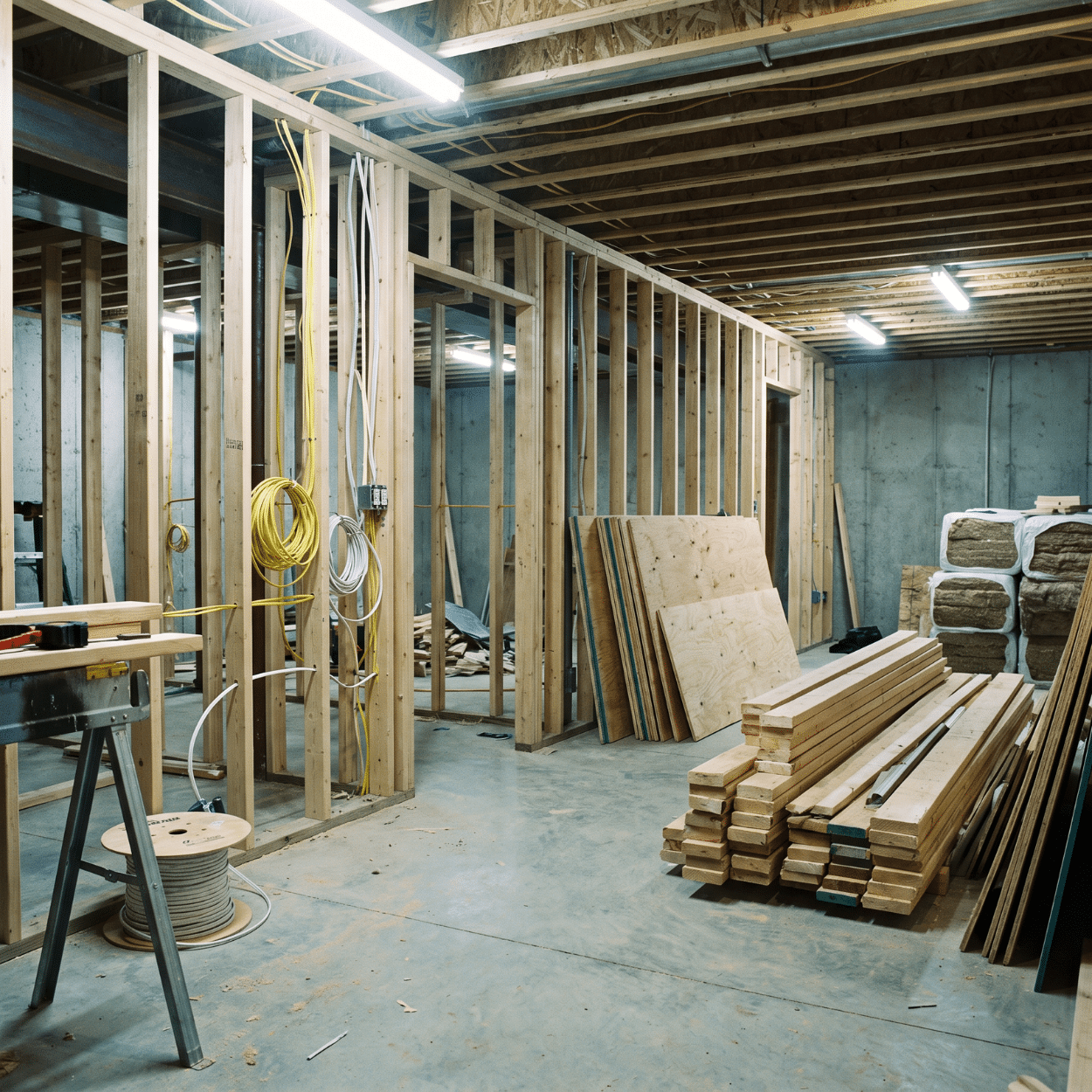
Iowa’s 42-inch frost line also matters for energy decisions. Basements in Central Iowa homes lose significant heat through under-insulated foundation walls and rim joists. Any serious energy remodel should address the basement envelope, not just the attic.
Energy Upgrades Ranked by Payback Period
Here is how the most common upgrades compare on cost and return for Iowa homeowners:
| Upgrade | Typical Iowa Cost | Est. Annual Savings | Payback Period |
|---|---|---|---|
| LED lighting (whole house) | $100 to $300 (DIY) | $150 to $225/yr | Under 2 years |
| Smart thermostat | $130 to $300 | $130 to $250/yr | 1 to 2 years |
| Air sealing | $500 to $1,500 | Part of insulation savings | 1 to 3 years |
| Attic insulation (blown-in) | $1,500 to $3,500 | $200 to $400/yr | 3 to 7 years |
| Heat pump water heater | $2,500 to $6,000 installed | ~$550/yr (family of 4) | 3 to 5 years |
| ENERGY STAR windows | $7,000 to $20,000+ (whole house) | $70 to $320/yr | 10 to 20+ years |
| Heat pump HVAC system | $9,000 to $20,000 | Varies | 5 to 12 years |
Planning estimates only. Actual savings vary by home size, age, and usage patterns.
Iowa’s electricity rate of about 12.6 to 13.5 cents per kWh is below the national average. That means electricity-based savings take slightly longer to pay back here than in higher-rate states. But Iowa’s harsh heating season means insulation and air sealing return value faster than in moderate climates.
Insulation and Air Sealing: The Best Big-Ticket Value
The DOE Guide to Home Insulation estimates that insulation combined with air sealing can cut heating and cooling costs by 15 to 20%. Iowa’s Climate Zone 5 falls toward the middle of that range, at about 16% on heating and cooling. The EPA puts the average savings at about 15% on heating and cooling. For an Iowa home spending $200 per month on utilities, that range translates to roughly $300 to $500 per year.
Iowa’s Climate Zone 5 requires a minimum of R-49 for attic insulation. Blown-in fiberglass or cellulose is the most common approach for existing homes. Costs in the Des Moines market run about $1.02 to $2.07 per square foot installed. A 1,000 square foot attic typically costs $2,700 to $3,500 to bring up to current code.
Here is how common insulation options compare:
| Type | R-Value per Inch | Cost per Sq Ft | Best Use |
|---|---|---|---|
| Blown-in fiberglass | R-2.2 to R-2.7 | $1.02 to $2.07 | Attic floors, existing cavities |
| Blown-in cellulose | R-3.2 to R-3.8 | $1.00 to $1.80 | Attic floors, dense-pack walls |
| Open-cell spray foam | R-3.5 to R-3.6 | $1.50 to $3.00 | Interior walls, tight spaces |
| Closed-cell spray foam | R-6.0 to R-7.0 | $1.75 to $4.50 | Basement rim joists, crawl spaces, moisture-prone areas |
Closed-cell spray foam does double duty in Iowa basements: it provides insulation and acts as a moisture barrier, which matters given Iowa’s clay soils and seasonal humidity swings. For a deeper look, see spray foam insulation costs and benefits in Iowa.
Tip: Prioritize attic floor insulation and basement rim joists first. Both are accessible, affordable, and produce the fastest measurable impact on heating bills.
Smart Thermostats and LEDs: Fastest Payback
These two upgrades cost almost nothing relative to their return and require no contractor.
A smart thermostat costs $130 to $300. The DOE recommends adjusting temperature 7 to 10 degrees for 8 or more hours per day for savings of up to 10% on heating and cooling. A 2024 Nest study found average savings of 12% on heating and 15% on cooling. On combined Iowa utility bills, that works out to $130 to $250 per year. Payback runs one to two years. MidAmerican Energy and Alliant Energy may offer rebates on ENERGY STAR smart thermostats, so check before you buy.
LEDs use at least 75% less energy than incandescent bulbs and last up to 25 times longer, according to the DOE. Switching a full home of 30 to 40 bulbs costs $100 to $300 and saves $150 to $225 per year. Payback is often under one year. LEDs also produce less heat, which slightly reduces air conditioning load in summer.
Heat Pump Water Heaters: Best Long-Term Value
ENERGY STAR data shows a family of four saves approximately $550 per year by switching from a standard electric water heater to a heat pump model. Note that ENERGY STAR’s estimate assumes 14.6 cents per kWh. Iowa’s lower electricity rate of about 12.6 cents per kWh means actual savings may run closer to $470 to $475 per year, still a strong return. Over the product’s lifetime, total savings reach about $5,610 at the national rate. The DOE puts average payback at 2.7 years for a family of four.
Installed cost in Iowa runs about $2,500 to $6,000 depending on brand and installation complexity. Heat pump water heaters are taller than standard units and require condensate management, so confirm your utility space works before purchasing.
Iowa basements provide good ambient air for heat pump operation. In very cold conditions, the unit may shift to resistance heating, which costs more, but the overall annual savings remain strong compared to a standard electric water heater.
Important: Federal tax credits for heat pump water heaters expired December 31, 2025. Utility rebates may still apply. Check with your provider before installation.
Windows and HVAC: Bigger Investment, Honest Payback Timeline
ENERGY STAR windows replacing single-pane units in Des Moines save up to $320 per year on energy. Replacing older double-pane windows saves $70 to $100 per year. At $700 to $1,200 per window installed, whole-house replacement runs $10,000 to $25,000 or more. The energy-only payback period is 10 to 20-plus years.
That does not make window replacement a bad investment. Comfort improvement, noise reduction, and resale value add real returns that do not show up in utility bills. The best time to replace windows is during a full home renovation when walls are already open, which eliminates separate labor costs. For broader remodeling planning, see top remodeling ideas for Des Moines homeowners.
High-efficiency heat pump HVAC systems cost $9,000 to $20,000 installed and can cut heating and cooling costs by up to 20% compared to older standard systems. Dual-fuel systems that pair a heat pump with a gas furnace backup are common in Iowa for handling extreme cold snaps. Payback runs five to twelve years depending on the age and condition of the system being replaced.
Iowa Incentives in 2026: What Is Actually Available
The incentive landscape changed significantly in 2025. Here is the current picture:
| Incentive | Status (March 2026) | What to Do |
|---|---|---|
| Federal 25C credit (insulation, windows, HVAC) | Expired Dec 31, 2025 | Not available for 2026 installations |
| Federal 25D credit (solar, geothermal, battery) | Expired Dec 31, 2025 | Not available for 2026 installations |
| IRA state rebates (HEAR/HEEHRA) | Uncertain; Iowa allocated $121M but launch status unclear | Contact Iowa Economic Development Authority |
| MidAmerican Energy Instant Discounts | Active for 2026 | Ask your contractor or visit midamericanenergy.com |
| Alliant Energy rebates | Active; use rebate locator tool | Visit alliantenergy.com |
| Black Hills Energy Iowa | 2026 gas water heater rebates confirmed ($125 to $275) | Apply within 60 days of installation |
The Section 25C and 25D federal tax credits expired December 31, 2025, under the One Big Beautiful Bill Act. Many websites have not yet updated their information and still show the old “through 2032” language. Do not rely on those credits for any 2026 project. Consult a qualified tax professional for your specific situation.
Utility rebates are now the primary financial incentive available to Iowa homeowners. Always verify current program availability with your specific provider before finalizing project scope, since rebate programs update annually.
Illustrative Scenarios
Illustrative scenario: An Ankeny family in a 1,400 sq ft home built in 1978 swaps out all incandescent bulbs and installs a smart thermostat. Total cost: about $350. Estimated annual savings: $300 to $400. Payback: under one year.
Illustrative scenario: A West Des Moines household in a 2,200 sq ft split-level adds R-49 attic insulation ($3,000), air sealing ($1,000), and a heat pump water heater ($3,500) during a kitchen remodel. Total investment: $7,500. Estimated annual savings: $750 or more. Payback: five to six years on the combined investment.
Illustrative scenario: A Des Moines bungalow built in 1940 undergoes a full energy remodel alongside a whole house renovation: insulation ($4,000), windows ($15,000), high-efficiency HVAC ($12,000), LEDs and smart thermostat ($400). Total: about $31,400. Estimated annual savings: $800 to $1,200. Energy-only payback: 15 to 20 years. Comfort, health, and resale value provide significant additional return that does not appear in the utility bill calculation.
Frequently Asked Questions
Q: What are the best energy efficient upgrades for an Iowa home?
A: LED lighting, smart thermostats, and air sealing offer the fastest payback, often under two years. Attic insulation and heat pump water heaters deliver the best mid-term ROI at three to seven years. Windows and HVAC upgrades cost more upfront but add comfort and resale value alongside long-term energy savings.
Q: How much can insulation save on energy bills in Iowa?
A: The DOE estimates insulation and air sealing can cut heating and cooling costs by up to 20%. On Iowa utility bills averaging $200 or more per month, that could mean $300 to $500 per year in savings. Iowa’s Climate Zone 5 requires a minimum of R-49 for attic insulation. Blown-in options in the Des Moines market run $1.02 to $2.07 per square foot installed.
Q: Are federal energy tax credits still available in 2026?
A: No. The Section 25C and 25D credits expired December 31, 2025, under the One Big Beautiful Bill Act. Utility rebates from MidAmerican, Alliant, Black Hills Energy, and other Iowa providers remain active. Consult a qualified tax professional for current options specific to your situation.
Q: Do energy efficient windows pay for themselves in Iowa?
A: ENERGY STAR windows replacing single-pane glass in Des Moines save up to $320 per year on energy. At $10,000 to $25,000 for whole-house replacement, the energy-only payback is 10 to 20-plus years. Comfort, noise reduction, and resale value add meaningful return beyond the utility bill calculation. They make the most financial sense when bundled into a whole house remodel when walls are already open.
Q: What energy rebates are available in Iowa right now?
A: MidAmerican Energy Instant Discounts are active for 2026. Alliant Energy maintains a rebate locator for insulation, air sealing, and smart thermostats. Black Hills Energy Iowa confirmed 2026 gas water heater rebates of $125 to $275. Federal tax credits expired at the end of 2025. IRA state rebate status is uncertain; contact Iowa Economic Development Authority for the latest.
Q: Should I upgrade insulation or windows first?
A: Insulation and air sealing almost always come first. They cost less, pay back faster, and improve the performance of your entire building envelope. Windows matter most when current windows are single-pane, damaged, or visibly failing. If you are doing a full remodel, address both at the same time to save on labor.
Key Takeaways
Quick Wins (Under 2 Years)
- LED whole-house conversion: $100 to $300, saves $150 to $225/yr
- Smart thermostat: $130 to $300, saves $130 to $250/yr
- Both are DIY-friendly and utility rebates may apply
Best Mid-Term ROI (3 to 7 Years)
- Attic insulation to R-49: $1,500 to $3,500, saves $200 to $400/yr
- Air sealing combined with insulation: best cost-to-savings ratio of any upgrade
- Heat pump water heater: $2,500 to $6,000 installed, saves ~$550/yr for family of 4
Longer Payback, Real Benefits (10+ Years)
- ENERGY STAR windows add comfort, noise reduction, and resale value
- High-efficiency HVAC reduces heating/cooling costs up to 20%
- Both make most financial sense during a whole house remodel
Incentives (March 2026)
- Federal 25C and 25D credits: expired December 31, 2025
- Utility rebates: active from MidAmerican, Alliant, and Black Hills Energy
- IRA state rebates: check with Iowa Economic Development Authority
- Consult a qualified tax professional before making decisions based on incentives
Ready to Plan Your Energy Efficient Remodel?
Busy Builders has helped over 1,000 Central Iowa homeowners since 2020. We understand Iowa’s housing stock, climate requirements, and what actually moves the needle on energy bills. When walls are already open for a remodel, adding insulation, upgrading wiring for smart devices, and addressing air sealing costs a fraction of doing those projects separately later.
Call: 844-435-9800
We serve Des Moines, West Des Moines, Ankeny, Waukee, Urbandale, Johnston, Grimes, and all Central Iowa communities. Contact us for a free consultation.
Busy Builders | Full-Service Construction and Remodeling | Serving Central Iowa Since 2020
All cost estimates and savings projections in this guide are for planning purposes only. Actual costs and savings vary by home size, age, condition, materials, and market factors. Federal tax credits referenced in this article expired December 31, 2025, under the One Big Beautiful Bill Act. Verify current incentive availability with your utility provider and a qualified tax professional. Verify contractor registration with Iowa DIAL. Consult licensed professionals for all HVAC, electrical, and insulation work.
Related service: home remodeling in Central Iowa.