Sustainable Homes in Iowa: Top Energy Practices for Efficient and Green Living
Building a sustainable home in Iowa can cut utility bills by up to 50 percent while supporting healthier indoor environments and reducing carbon footprints. Homeowners face rising energy costs and harsh seasonal swings, and advanced energy practices answer that challenge with proven solutions. This guide explores core efficiency measures, on-site renewable systems, high-performance home standards, key certifications, financial incentives, eco-materials and water conservation, plus practical steps for new construction and remodels. Whether you’re planning a new build or upgrading an existing home, you’ll find actionable strategies—backed by our Home Building and Remodeling services—to create an energy-smart, durable, and comfortable Iowa residence.
What Are the Key Energy Efficient Practices for Sustainable Homes in Iowa?
Energy efficient practices are construction and system strategies that minimize heat loss, optimize equipment performance, and lower operating costs in Iowa’s variable climate. For example, combining superior insulation, thorough air sealing, and high-performance fenestration cuts heating loads significantly.
U.S. Department of Energy (2024)
Energy Efficiency in Iowa Homes
Combining superior insulation, thorough air sealing, and high-performance windows can significantly reduce heating loads in homes. These core methods are essential for creating energy-efficient homes in Iowa’s climate, contributing to lasting comfort and savings for homeowners.
These core methods set the foundation for every green home and feed into our Energy Advantage Program for lasting comfort and savings.
How Does Advanced Insulation Improve Iowa Home Energy Efficiency?
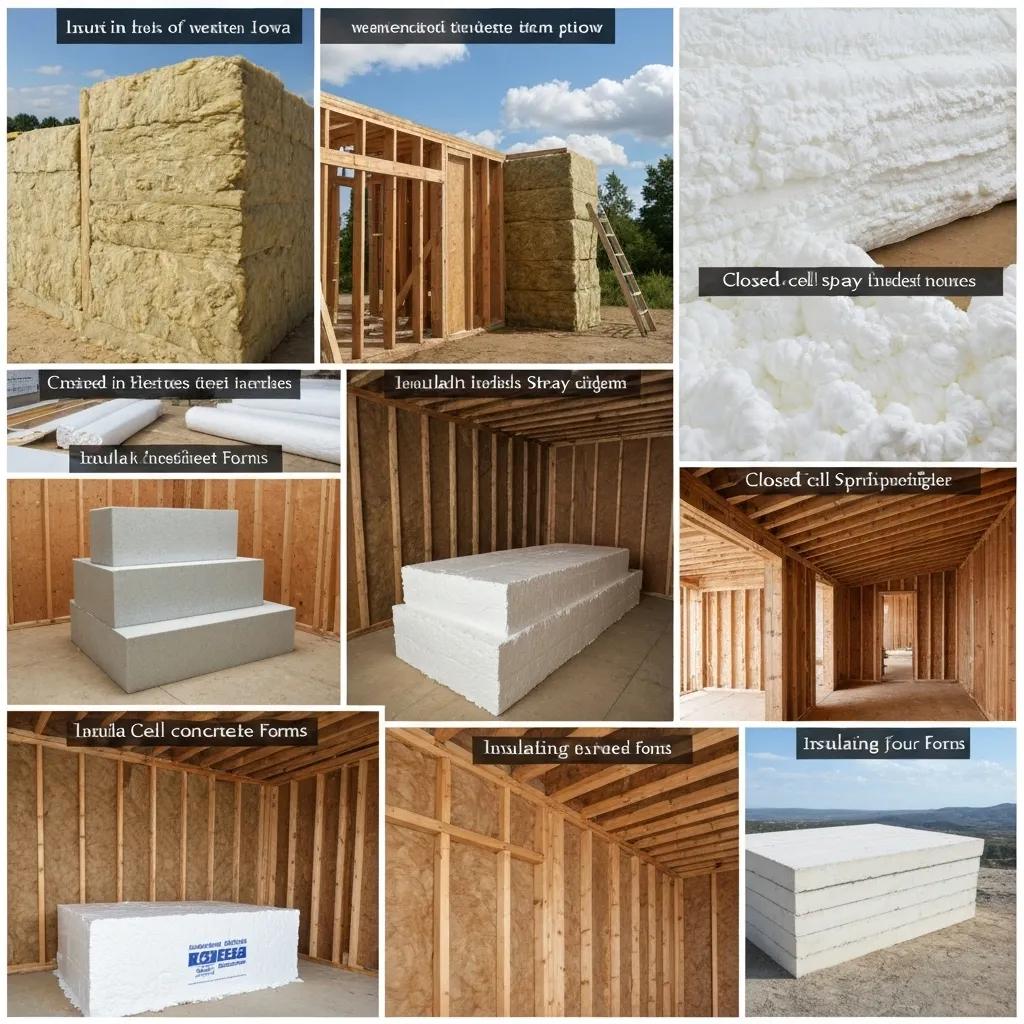
Advanced insulation reduces heat transfer through walls, roofs, and foundations by filling cavities and blocking thermal bridges. For instance, insulating concrete forms (ICF) can maintain stable interior temperatures through sub-zero winters and blazing summers.
Below is a comparison of leading insulation types for Iowa homes:
| Insulation Type | R-Value per Inch | Primary Benefit |
|---|---|---|
| Blown-in BIBS | R-3.7 | Conforms to irregular cavities, air barrier |
| Closed-cell Spray Foam | R-6.0 | Creates airtight seal, adds structural rigidity |
| Insulating Concrete Form | R-22 (wall system) | High thermal mass, continuous insulation |
Each system addresses distinct framing scenarios while collectively boosting envelope efficiency. This makes insulation a critical first step before installing advanced mechanical or renewable systems.
Why Is Air Sealing Essential for Iowa’s Climate?
Air sealing plugs unintended gaps around windows, doors, and penetrations to prevent cold drafts and moisture infiltration. A well-executed seal delivers year-round comfort, 20–30 percent lower heating bills, and improved indoor air quality. Common techniques include spray foam around rim joists and caulking penetrations, documented by blower-door testing.
Key advantages of a tight envelope include:
- Enhanced thermal comfort with fewer cold spots.
- Reduced humidity fluctuations that cause mold.
- Lower heating and cooling loads on HVAC systems.
Sealing complements insulation by ensuring R-values perform at full capacity, and sets the stage for precision heating and cooling controls.
What Are the Benefits of High-Performance Windows Like Low-E in Iowa Homes?
Low-emissivity (Low-E) windows feature microscopic metallic coatings that reflect infrared heat back indoors during winter and block solar gain in summer. These high-performance fenestration systems stabilize interior temperatures and cut energy use nearly 15 percent compared to standard double-pane windows.
Primary benefits include:
- Reduced Heat Loss – Low-E panes retain warmth by reflecting radiant heat.
- Solar Control – Select coatings mitigate overheating on sun-exposed facades.
- UV Protection – Filtering UV rays preserves interior finishes and fabrics.
Upgrading to ENERGY STAR rated Low-E windows enhances comfort and aligns with tax incentives for high-efficiency home components.
How Do Smart Thermostats Optimize Home Energy Use in Iowa?
Smart thermostats learn homeowner schedules and adjust temperature setpoints automatically, improving HVAC runtime by up to 20 percent. For example, adaptive algorithms lower heating overnight and ramp up before morning occupancy.
Common features include:
- Remote control via smartphone apps.
- Geofencing to detect departures and arrivals.
- Integration with weather forecasts to precondition the home.
By fine-tuning setpoints and runtime, smart thermostats reduce wasted energy and maximize system performance, making them a cost-effective retrofit.
When Should Homeowners Schedule a Home Energy Audit in Iowa?
A home energy audit pinpoints inefficiencies through diagnostics like blower-door testing, infrared thermography, and duct leakage measurement. Conduct an audit before major renovations or at least every five years to track performance improvements.
Audit steps typically include:
- Visual inspection of insulation levels and air leaks.
- Blower-door test to quantify infiltration.
- Infrared scan to locate thermal bridging.
- Ductwork evaluation for leakage.
Regular audits guide targeted upgrades and validate savings from previous improvements, ensuring a well-tuned, high-performance home.
How Can Renewable Energy Solutions Power Sustainable Homes in Iowa?
What Are the Advantages of Residential Solar Power in Iowa?
Solar panels convert sunlight into clean electricity, reducing monthly power bills and greenhouse gas emissions. In Iowa, average arrays produce over 1,200 kWh per installed kW each year. the busy builders
Key advantages include:
- Energy Independence – Generate power on-site and rely less on the grid.
- Financial Payback – Typical payback periods of 8–12 years with incentives.
- Increase Property Value – Solar homes sell faster and at premium prices.
Combining solar with a home energy audit ensures proper system sizing to meet historic usage patterns.
How Does Geothermal Heating and Cooling Work for Iowa Homes?
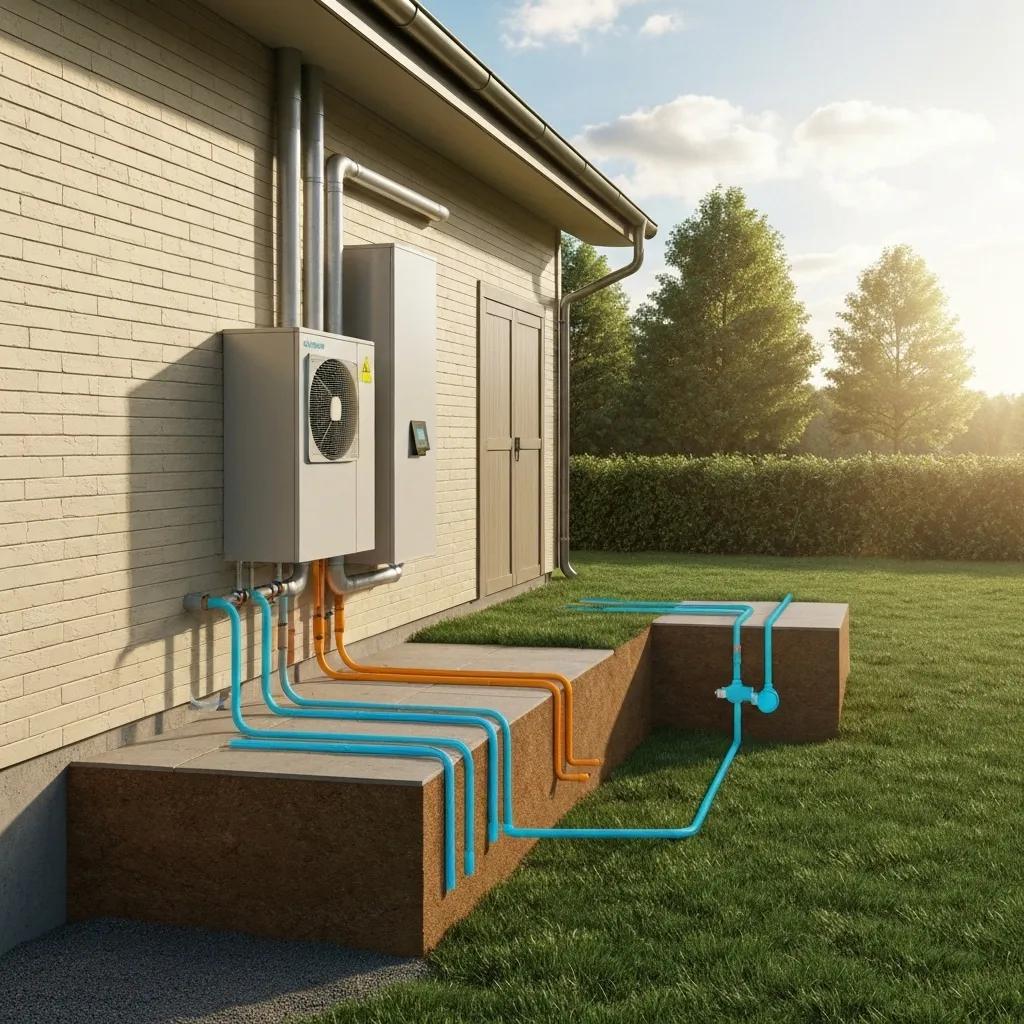
Geothermal systems exchange heat with the stable underground temperature via buried loop fields, supplying both space heating and air conditioning. Vertical or horizontal loops circulate a water-antifreeze mix that interfaces with a heat pump inside.
Benefits of ground-source systems:
- High Efficiency – COP (Coefficient of Performance) up to 4.5 reduces energy use by 30–40 percent.
- Longevity – Equipment life of 25+ years underground loops, 20+ years for heat pump.
- Stable Comfort – Consistent source temperature through Iowa’s varying seasons.
When paired with efficient envelope measures, geothermal delivers exceptional comfort and greatly reduced energy bills.
Is Residential Wind Energy a Viable Option for Iowa Homeowners?
Iowa leads the nation in wind power, but small-scale turbines require steady wind speeds of 9–10 mph at hub height to be cost effective. Property limitations, permitting, and maintenance can impact viability.
Factors to evaluate:
- Local average wind speeds and turbulence.
- Zoning and setback requirements.
- Turbine height and rotor diameter.
- Projected energy yield vs. system cost.
Site studies determine feasibility, and hybrid solar-wind micro-grids can balance generation profiles.
What Is the Solar Panel Installation Process in Iowa?
Installing solar panels involves a systematic sequence that ensures performance, safety, and compliance:
- Site Assessment – Measure roof orientation, structure, and shading.
- System Design – Calculate array size, inverter placement, and electrical layout.
- Permitting – Secure local building and utility interconnection approvals.
- Installation – Mount racking, secure modules, wire DC to AC conversion.
- Inspection & Commissioning – Final safety checks and grid interconnection.
Following these steps protects investment value and streamlines adoption of clean energy.
What Defines Net Zero and Passive House Homes in Iowa?
What Is a Net Zero Home and How Does It Benefit Iowa Homeowners?
A Net Zero home balances energy usage and production by pairing ultra-efficient building practices with on-site renewable generation. Homeowners benefit from drastically lower utility costs, increased resilience during outages, and heightened market appeal. Although initial investment may be 5–10 percent above conventional builds, operational savings typically recoup that difference within a decade.
How Do Passive House Design Principles Enhance Energy Efficiency in Iowa?
Passive House standards require an airtight envelope (0.6 ACH@50 Pa), continuous insulation (R-40+ walls, R-60+ roof), and balanced ventilation with heat recovery. These criteria cut heating demand to roughly 10 percent of a standard home. By sealing and insulating to these levels, space-conditioning loads shrink enough that small heat pumps suffice for heating and cooling.
What Are the Costs and Long-Term Savings of Net Zero and Passive Homes in Iowa?
Building to Net Zero or Passive standards often adds 5–15 percent in upfront costs—driven by high-performance materials, systems, and renewables. However, life-cycle analyses show energy savings of 50–90 percent, translating into payback periods of 8–12 years. Over 30 years, homeowners can save tens of thousands on utilities, offsetting initial premiums.
How Do Iowa Climate Conditions Affect Passive House Construction?
Iowa’s extremes—cold winters, humid summers—demand continuous insulation, robust vapor management, and high-efficiency glazing. Designers must address thaw-freeze cycles in foundations, potential moisture accumulation, and solar orientation to maximize passive gains. Local climate data informs wall assemblies and ventilation strategies for reliable performance year-round.
Which Green Building Certifications Are Important for Iowa Sustainable Homes?
What Are the Benefits of ENERGY STAR Certified Homes in Iowa?
ENERGY STAR homes meet strict guidelines for insulation, air sealing, HVAC efficiency, and window performance. Homeowners enjoy at least 10 percent lower energy bills and qualify for certain state and local rebates. Independent verification through calibrated energy modeling ensures consistent results.
How Does LEED Certification Apply to Iowa Residential Construction?
LEED for Homes awards points for sustainable site selection, water efficiency, energy performance, materials, indoor environmental quality, and innovation. Achieving Silver, Gold, or Platinum status demonstrates comprehensive green building commitment and can boost resale value and occupant health.
What Is PHIUS Certification and Why Is It Important in Iowa?
PHIUS-certified homes adhere to performance thresholds tailored for climate zones, including ultra-airtightness, balanced ventilation, rigorous moisture control, and optimized thermal protection. Certification signals world-class energy conservation, exceeding many local code requirements and fostering future-ready living.
How Do Certifications Influence Home Value and Energy Performance in Iowa?
Certified sustainable homes consistently command higher sale prices and faster market absorption. Buyers value documented energy savings, superior comfort, and reduced operational risk. Certifications thus translate into both short-term financial incentives and long-term asset appreciation.
What Iowa Incentives, Rebates, and Tax Credits Support Sustainable Home Building?
What Are the Details of Iowa’s HOMES Rebate Program for Energy Efficiency?
The HOMES Rebate Program provides $2,000–$8,000 for qualifying energy efficiency retrofits such as insulation, air sealing, and high-efficiency heat pumps. Eligibility requires a pre- and post-retrofit energy audit to demonstrate at least 10 percent reduction in annual site energy use.
How Do Federal Tax Credits Apply to Solar Panels and Heat Pumps in Iowa?
Federal tax credits cover 30 percent of costs for solar photovoltaic systems and qualifying heat pumps installed before December 31, 2025. Homeowners receive a dollar–for–dollar reduction in income tax liability, greatly accelerating project payback.
Which Local Utility Incentives Are Available for Iowa Homeowners?
Many Iowa utilities offer rebates for high-efficiency air-source and geothermal heat pumps, ENERGY STAR appliances, and advanced lighting. Programs vary by provider but often cover $300–$1,000 per unit. Combining local rebates with state and federal incentives delivers maximum savings.
How Can Homeowners Maximize Savings Using Iowa Energy Rebates and Tax Credits?
Strategically sequence upgrades—start with envelope improvements, then HVAC and renewable systems—to meet rebate prerequisites and amplify savings. Stack federal credits with state rebates and utility incentives. Working with an experienced contractor ensures proper documentation and streamlined application processes.
How Do Sustainable Materials and Water Conservation Enhance Iowa Green Homes?
What Eco-Friendly Building Materials Are Recommended for Iowa Homes?
Use locally sourced timber, reclaimed or FSC-certified wood, recycled-content drywall, and low-VOC paints to craft healthier, more resilient structures. Durable materials like fiber-cement siding and metal roofs extend life spans, lower maintenance, and reduce life-cycle emissions.
How Do Water-Saving Plumbing Fixtures Benefit Iowa Homeowners?
Low-flow faucets, dual-flush toilets, and efficient showerheads can cut household water use by 30–50 percent. Conserved water reduces utility bills, lessens sewer treatment burden, and aligns with LEED and ENERGY STAR water efficiency credits.
What Are the Advantages of Green Roofs and Stormwater Management in Iowa?
Green roofs with sedum or native plantings absorb rainwater, moderate roof temperatures, and extend membrane life. Permeable pavers, rain gardens, and bioswales on the site control runoff, reduce erosion, and recharge groundwater—critical responses to urban storm events.
How Does Rainwater Harvesting Support Sustainable Living in Iowa?
Collecting and storing rooftop rainwater in cisterns provides a free irrigation source and can supply toilet flushing in graywater systems. Proper filtration and pump design ensure safe, reliable use, trimming municipal water demand and utility costs.
How Can Iowa Homeowners Implement Sustainable Energy Practices in Remodeling and New Construction?
What Are the Steps to Integrate Energy Efficient Features in New Iowa Homes?
- Site Analysis & Orientation – Position the home for passive solar gain and natural ventilation.
- Envelope Design – Specify continuous insulation, high-performance windows, and airtight assemblies.
- System Selection – Choose right-sized high-efficiency heat pumps, smart controls, and ERVs.
- Renewable Integration – Allocate roof area and conduit for future solar or wind installations.
- Commissioning & Testing – Perform blower-door, duct leakage, and functional performance tests.
How Can Remodeling Projects Improve Energy Efficiency in Existing Iowa Homes?
Start remodeling by sealing attic bypasses, upgrading insulation in walls and foundations, and replacing inefficient windows. Next, install smart thermostats and high-efficiency HVAC equipment, then consider solar additions after envelope performance is locked in. Phased retrofits prioritize comfort, minimize disruption, and allow homeowners to budget over time.
What Role Do Builders and Contractors Play in Sustainable Home Projects in Iowa?
Experienced contractors translate design intentions into reality, ensuring air barriers are continuous, insulation is installed correctly, and system commissioning meets performance targets. Our team’s training in energy-focused methodologies guarantees every green element works together seamlessly for enduring results.
How Can Homeowners Monitor and Maintain Energy Efficiency Over Time?
Ongoing performance tracking through periodic energy audits, thermostat data review, and maintenance of seals and insulation preserves savings. Simple actions—like filter changes, duct inspections, and thermostat recalibrations—prevent efficiency drift and extend equipment life.
Sustainable home practices transform Iowa houses into resilient, comfortable, and cost-effective living spaces. By following proven strategies—from envelope upgrades and smart controls to renewable power, certifications, incentives, and thoughtful material choices—homeowners achieve lasting energy savings and environmental stewardship. Integrating these measures early in design or renovation, with guidance from our Home Building and Remodeling services, delivers a future-ready home that stands as a testament to efficiency and green living.
Frequently Asked Questions
What are the most effective renewable energy options for Iowa homeowners?
In Iowa, the most effective renewable energy options include solar power, geothermal heating and cooling, and wind energy. Solar panels are popular due to Iowa’s sunny days, providing significant energy savings. Geothermal systems utilize the earth’s stable temperature for efficient heating and cooling, while small-scale wind turbines can be viable in areas with consistent wind speeds. Each option has unique benefits and can be tailored to individual home needs, contributing to a sustainable energy future.
How can homeowners ensure their sustainable home meets local building codes?
To ensure a sustainable home meets local building codes, homeowners should consult with local building authorities and familiarize themselves with relevant regulations. Engaging a licensed contractor experienced in green building practices can help navigate compliance. Additionally, obtaining necessary permits before construction and ensuring that all materials and systems meet energy efficiency standards will facilitate adherence to local codes, ultimately leading to a successful and compliant sustainable home project.
What maintenance is required for solar panels in Iowa?
Solar panels in Iowa require minimal maintenance, but regular inspections are essential to ensure optimal performance. Homeowners should clean the panels periodically to remove dirt, debris, and snow, which can block sunlight. Additionally, checking for any shading from nearby trees or structures is important. Annual professional inspections can help identify any issues with the system, ensuring that the solar panels operate efficiently and continue to provide energy savings over time.
What financing options are available for building sustainable homes in Iowa?
Homeowners in Iowa can explore various financing options for building sustainable homes, including green mortgages, which offer favorable terms for energy-efficient properties. Additionally, state and federal incentives, such as tax credits and rebates, can significantly reduce upfront costs. Local banks and credit unions may also provide specialized loans for energy-efficient upgrades. Consulting with a financial advisor familiar with sustainable building can help homeowners identify the best financing strategies for their projects.
How do energy-efficient homes impact indoor air quality?
Energy-efficient homes significantly improve indoor air quality by incorporating advanced ventilation systems that filter and circulate fresh air while minimizing pollutants. Proper air sealing and insulation reduce drafts and moisture infiltration, which can lead to mold growth. Additionally, using low-VOC materials and eco-friendly finishes contributes to healthier indoor environments. Overall, energy-efficient designs prioritize air quality, creating a more comfortable and healthier living space for occupants.
What role do landscaping and site design play in sustainable home building?
Landscaping and site design are crucial in sustainable home building as they enhance energy efficiency and environmental impact. Strategic placement of trees and shrubs can provide natural shade, reducing cooling costs in summer. Native plants require less water and maintenance, promoting biodiversity. Additionally, incorporating permeable surfaces and rain gardens helps manage stormwater runoff, protecting local waterways. Thoughtful landscaping complements energy-efficient home designs, creating a harmonious and sustainable living environment.
How can homeowners track their energy savings after implementing sustainable practices?
Homeowners can track energy savings by monitoring utility bills before and after implementing sustainable practices, allowing them to quantify reductions in energy consumption. Installing smart meters or energy monitoring systems provides real-time data on energy use, helping identify trends and areas for improvement. Conducting regular energy audits can also assess the effectiveness of upgrades. By maintaining records and analyzing data, homeowners can ensure their sustainable practices deliver the expected savings over time.