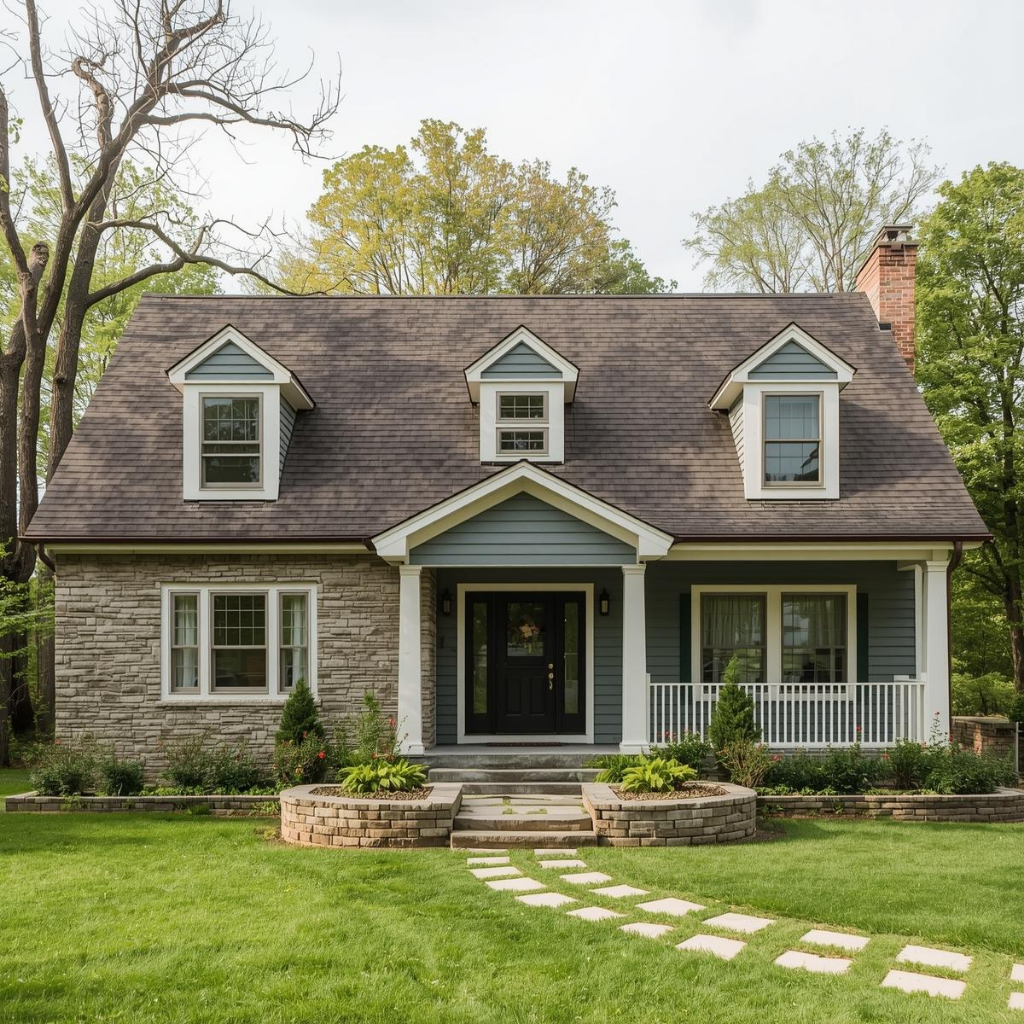
Iowa homeowners pay some of the highest heating bills in the country relative to what their homes actually need to spend. The cause is usually under-insulated attics, uninsulated rim joists, and bare basement walls left over from construction decades before modern energy codes existed. This guide ranks the four main insulation upgrades by return on investment, with Iowa-specific costs, R-value requirements, and honest payback timelines so you know exactly where to start.
TLDR: Attic insulation and air sealing deliver the best ROI for Iowa homes, with payback in three to seven years. Rim joist insulation pays back in one to three years at low cost. Basement wall insulation adds comfort and moisture control with a five to ten year payback. Wall retrofits make sense only when walls are already open during a larger remodel. Federal energy tax credits expired December 31, 2025. Utility rebates are still active.
You know your energy bills are too high. What you may not know is which upgrade actually moves the needle and which one sits near the bottom of the priority list for another decade. Iowa’s climate makes the answer clearer than in most states, and this guide gives you the priority order with real numbers.
Why Iowa Homes Lose More Heat Than Most
Iowa sits in Climate Zone 5A with heating degree days of approximately 6,500 to 7,000 for Des Moines. Temperature swings exceed 120 degrees annually, from subzero winter stretches to 90-degree summers. Heating and cooling account for 50 to 70% of home energy use, and in Iowa that leans heavily toward heating.
Iowa’s electricity rate of 12.6 to 13.5 cents per kWh is below the national average. That means most insulation savings in Iowa come from reducing natural gas consumption during the heating season, not electricity. Insulation ROI here is higher than the national average because heating-season savings are larger and last longer.
Iowa’s 42 to 48-inch frost line creates another factor most other states do not face. Basements in Central Iowa are deep, with significant foundation wall surface area exposed to cold soil. Uninsulated basement walls in Iowa lose more heat than in states with shallow or no foundations.
Many Des Moines area homes built between the 1950s and 1980s have under-insulated attics, zero rim joist insulation, and bare concrete basement walls. Bringing those homes up to current code is one of the highest-ROI home investments available.
Insulation Priority Order for Iowa Homes
The EPA estimates homeowners save an average of 15% on heating and cooling costs through air sealing and insulation. For Iowa’s Climate Zone 5 specifically, ENERGY STAR data shows 16% savings on heating and cooling and 12% on total energy use. Always pair air sealing with insulation, not just one or the other.
Here is the priority order for Iowa:
| Priority | Upgrade | Typical Iowa Cost | Est. Annual Savings | Payback Period | Best Time |
|---|---|---|---|---|---|
| 1 | Air sealing + attic insulation | $1,500 to $3,500 | $200 to $500/yr | 3 to 7 years | Anytime; fall ideal |
| 2 | Rim joist insulation | $300 to $1,200 | $100 to $300/yr | 1 to 3 years | Anytime; single visit |
| 3 | Basement wall insulation | $1,400 to $6,300 | $280 to $390/yr | 5 to 10 years | During basement finishing |
| 4 | Wall insulation retrofit | $1,500 to $5,000+ | $100 to $250/yr | 7 to 15 years | During siding replacement or remodel |
Planning estimates only. Actual savings vary by home size, age, and existing insulation levels.
Attic Insulation: The Best ROI in the House
Iowa’s DOE insulation guidelines require R-49 minimum for attic insulation in Climate Zone 5. Most pre-1990 Iowa homes have R-19 or less. That gap represents hundreds of dollars in annual heating loss.
Blown-in fiberglass costs $1.02 to $2.07 per square foot installed in the Des Moines market. Blown-in cellulose runs $1.00 to $1.80 per square foot. A typical 1,000 square foot attic brought to R-49 costs $1,500 to $3,500 depending on material choice and current insulation depth.
Insulation types compared:
| Type | R-Value per Inch | Cost/Sqft Installed | Best Use | Iowa Notes |
|---|---|---|---|---|
| Blown-in fiberglass | R-2.2 to R-2.7 | $1.02 to $2.07 | Attic floors, existing cavities | Common; widely available |
| Blown-in cellulose | R-3.2 to R-3.8 | $1.00 to $1.80 | Attic floors, dense-pack walls | Higher recycled content; settles slightly |
| Open-cell spray foam | R-3.5 to R-3.6 | $1.50 to $3.00 | Interior walls, tight spaces | Good air seal; moisture-permeable |
| Closed-cell spray foam | R-6.0 to R-7.0 | $1.75 to $4.50 | Rim joists, basement walls, crawl spaces | Vapor barrier + insulation in one |
| Fiberglass batts | R-2.2 to R-3.2 | $0.80 to $2.60 | New framed walls, floor joists | Fast install; no air sealing benefit alone |
| Rigid foam board (XPS/polyiso) | R-3.8 to R-6.5 | Varies | Basement walls, exterior continuous | Good for Iowa basement moisture control |
Tip: Always install baffles at the eaves before blowing in attic insulation. This keeps soffit vents clear and prevents moisture buildup.
Important: Pre-1990 Iowa attics may contain vermiculite insulation, which can contain asbestos. Have existing material tested before disturbing it.
Illustrative scenario: An Ankeny ranch home built in 1975 has R-13 in the attic and uninsulated rim joists. The homeowner adds blown-in cellulose to R-49 ($2,800) and closed-cell spray foam on rim joists ($800). Total investment: $3,600. Estimated annual savings: $350 to $500. Payback: approximately five to seven years. Drafts drop noticeably and temperature consistency between floors improves immediately.
Rim Joist Insulation: Low Cost, High Impact
The rim joist is where floor framing meets the foundation wall at the top of the basement. In most Iowa homes built before 1990, it is completely uninsulated. Industry estimates suggest uninsulated rim joists account for 15 to 25% of total home heat loss.
Closed-cell spray foam is the standard approach. It provides R-6.0 to R-7.0 per inch, acts as a vapor barrier, and seals air infiltration in a single application. Cost runs $0.75 to $4.00 per linear foot, with most whole-house rim joist projects totaling $300 to $1,200.
This is often the single best dollar-for-dollar insulation upgrade in an Iowa home. It can typically be completed in one contractor visit without any major disruption to the basement.
Iowa’s clay soils and seasonal humidity also create condensation risk on cold rim joists in summer. Closed-cell spray foam eliminates that problem at the same time.
For a full analysis of spray foam options, see cost-benefit analysis of spray foam insulation in Iowa.
Basement Wall Insulation: Comfort Meets Moisture Control
Iowa’s Climate Zone 5 code requires R-15 continuous or R-19 cavity insulation for basement walls. Most pre-1990 Iowa basements have bare concrete block with zero insulation.
Full basement wall insulation costs $1,400 to $6,300 depending on method and scope, with an average around $2,600. Spray foam projects for full basement walls run $4,000 to $8,000. Research estimates suggest basement insulation saves $280 to $390 annually in cold climates.
Iowa-specific concerns make moisture control the top priority here:
- Iowa’s clay soils create hydrostatic pressure and moisture migration through concrete
- Do not install fiberglass batts directly against concrete basement walls without a vapor barrier
- Closed-cell spray foam or rigid foam board with sealed seams is strongly recommended
- Iowa’s radon risk (71.6% of homes above the EPA action level) means any basement insulation work should include radon testing before and after the project
Illustrative scenario: A West Des Moines split-level built in 1982 has bare concrete block basement walls. The homeowner installs closed-cell spray foam on basement walls and rim joists during a basement finishing project. Insulation cost: approximately $5,500 as part of the larger project. Estimated annual savings: $300 to $400. The finished basement is comfortable year-round and protected against moisture infiltration.
If the basement will include a bedroom, see egress window requirements for Central Iowa basement bedrooms before finalizing plans.
Wall Insulation Retrofit: When It Makes Sense
Iowa Climate Zone 5 requires R-20 or R-13 plus R-5 continuous insulation for above-grade walls. Most older Iowa homes fall well short.
Retrofit dense-pack blown-in insulation through small holes in the siding or drywall costs $1.00 to $2.50 per square foot. A whole-house wall insulation retrofit typically runs $1,500 to $5,000 or more depending on home size and wall assembly.
Payback runs seven to fifteen years for wall insulation as a standalone project. That is the longest payback of any insulation upgrade. It makes the most financial sense in two situations: when siding is already being replaced (separate labor cost eliminated) or when walls are open during a whole house remodel.
Illustrative scenario: A Des Moines Beaverdale bungalow built in 1940 undergoes a full remodel. The contractor adds R-49 attic insulation ($3,200), rim joist spray foam ($700), basement rigid foam and framing ($4,500), and dense-pack cellulose in walls while siding is off ($3,500). Total insulation investment: $11,900 bundled into the larger project. Estimated annual savings: $600 to $900. The home’s energy performance moves from one of the worst on the block to one of the best.
Iowa R-Value Requirements at a Glance
| Location | Minimum R-Value (CZ5) | Common Methods | Notes |
|---|---|---|---|
| Attic | R-49 | Blown-in fiberglass or cellulose | Most common Iowa upgrade |
| Cathedral ceiling | R-49 | Spray foam or rigid foam + batts | Complex; requires professional |
| Above-grade walls | R-20 or R-13+5ci | Batts + continuous foam | Best done during remodel |
| Basement walls | R-15 continuous or R-19 cavity | Spray foam, rigid foam, batts | Address moisture first |
| Rim joists | R-15 minimum | Closed-cell spray foam preferred | Often overlooked; high impact |
| Crawl space walls | R-15 continuous | Rigid foam or spray foam | Condition or ventilate |
Iowa adopts IRC/IECC with local amendments. Verify current requirements with your local building department.
Iowa Incentives for Insulation (March 2026)
Federal 25C energy tax credits expired December 31, 2025, under the One Big Beautiful Bill Act. Many websites still show the old “through 2032” language and have not updated. Do not count on federal credits for any 2026 insulation project.
| Incentive | Status (March 2026) | What It Covers | Action |
|---|---|---|---|
| Federal 25C tax credit | Expired Dec 31, 2025 | Insulation, air sealing, windows | Not available for 2026 |
| MidAmerican Energy Instant Discounts | Active for 2026 | ENERGY STAR insulation and equipment | Ask your contractor or visit midamericanenergy.com |
| Alliant Energy rebates | Active | Insulation, air sealing, thermostats | Use rebate locator at alliantenergy.com |
| Black Hills Energy Iowa | 2026 rebates confirmed | Gas water heaters; check for insulation | Apply within 60 days of installation |
| IRA state rebates (HEAR/HEEHRA) | Uncertain; Iowa allocated $121M | Insulation, weatherization | Contact Iowa Economic Development Authority |
Utility rebates are now the primary financial incentive available to Iowa homeowners. Consult a qualified tax professional for current options.
How to Get Started
- Start with a professional energy audit. Many Iowa utilities offer discounted or free audits that identify exactly where your home loses the most energy.
- Prioritize air sealing and attic insulation first.
- Add rim joist insulation, often in the same contractor visit.
- Plan basement wall insulation alongside any basement finishing project.
- Schedule wall insulation to coincide with siding replacement or a whole house remodel.
- Verify any contractor is registered through Iowa DIAL before signing a contract.
- Get R-value specifications in writing before work begins.
For full project budget context, see whole house remodeling costs in Des Moines.
Frequently Asked Questions
Q: What is the best insulation upgrade for an Iowa home?
A: Attic insulation combined with air sealing delivers the best ROI for most Iowa homes. It addresses the largest source of heat loss, costs the least per dollar of savings, and pays back in three to seven years. Follow it with rim joist spray foam for the second-best return per dollar invested.
Q: How much does attic insulation cost in Des Moines?
A: Blown-in fiberglass runs $1.02 to $2.07 per square foot installed. Blown-in cellulose runs $1.00 to $1.80 per square foot. A typical 1,000 square foot attic brought to R-49 costs $1,500 to $3,500. These are planning estimates; get a site-specific quote before budgeting.
Q: Is basement insulation worth it in Iowa?
A: Yes, especially in Iowa where deep basements (42 to 48-inch frost line) represent significant thermal envelope area. Basement insulation costs $1,400 to $6,300 and typically pays back in five to ten years. Beyond energy savings, it controls moisture, reduces radon risk when properly detailed, and improves comfort on the floors above.
Q: What R-value does Iowa require for insulation?
A: Iowa follows Climate Zone 5 requirements: R-49 for attics, R-20 or R-13 plus R-5ci for above-grade walls, and R-15 continuous or R-19 cavity for basement walls. Many older Iowa homes fall significantly below these standards. Verify requirements with your local building department, as Iowa adopts IRC with local amendments.
Q: Are there rebates for insulation in Iowa in 2026?
A: Federal 25C tax credits expired December 31, 2025. Utility rebates from MidAmerican Energy, Alliant Energy, and Black Hills Energy are active for 2026. IRA state rebate status remains uncertain; contact Iowa Economic Development Authority for current availability. Always verify with your specific utility provider before starting work.
Q: Should I insulate my attic or walls first?
A: Attic first, almost always. Attic insulation costs less, pays back faster (three to seven years vs. seven to fifteen years for walls), and is far easier to access and upgrade. Wall insulation makes the most financial sense when bundled with siding replacement or a whole house remodel when wall cavities are already open.
Ready to Upgrade Your Iowa Home’s Insulation?
Busy Builders has helped over 1,000 Central Iowa homeowners since 2020. We install all insulation types, including blown-in, spray foam, and rigid foam, and we can bundle insulation work into whole house remodels for maximum savings on labor and materials.
- Free consultation to assess your insulation needs
- Detailed, itemized estimates with no hidden fees
- Local knowledge of Iowa codes, moisture patterns, and energy performance
- Registered with Iowa DIAL
Call: 844-435-9800
Busy Builders | Full-Service Construction and Remodeling | Serving Central Iowa Since 2020
All cost estimates and savings projections in this guide are for planning purposes only. Actual costs and savings vary by home size, age, condition, existing insulation levels, materials, and market factors. Federal energy tax credits expired December 31, 2025, under the One Big Beautiful Bill Act. Verify current incentive availability with your utility provider and a qualified tax professional. Have existing insulation tested for asbestos before disturbing it in pre-1990 homes. Test for radon before and after any basement insulation work. Verify contractor registration with Iowa DIAL. Consult certified professionals for all insulation work.