
Creative Budgeting Tips to Save Money on Your Basement Finishing Project
Finishing a basement can range from $20,000 to $50,000, so learning how to save money on your basement finishing project is critical to stretch every dollar. This guide reveals practical strategies for planning and design, selecting affordable materials, leveraging DIY labor, boosting energy efficiency, and applying creative cost-cutting ideas. You’ll first discover budget-friendly planning methods, then explore material choices and labor tactics, and finally, learn long-term ROI enhancements and unique savings hacks before taking action.
How Can You Plan a Budget-Friendly Basement Finishing Project?
A budget-friendly basement finishing project defines clear goals, allocates resources wisely, and avoids scope creep by starting with a concise plan that matches desired end uses. For example, establishing a simple living area versus a full apartment determines wall placement, lighting needs, and plumbing layout. Effective planning prevents costly changes and keeps expenses under control while setting the stage for efficient material selection.
Key planning steps include:
- Establishing a realistic total cost cap based on priorities and square footage.
- Mapping out rooms and circulation to minimize unnecessary framing and drywall.
- Consulting local building codes early to understand permit requirements and inspection timelines.
Clear objectives and a fixed budget inform efficient design choices, leading seamlessly into cost-effective layout options.
What Are Cost-Effective Basement Layouts to Maximize Space?
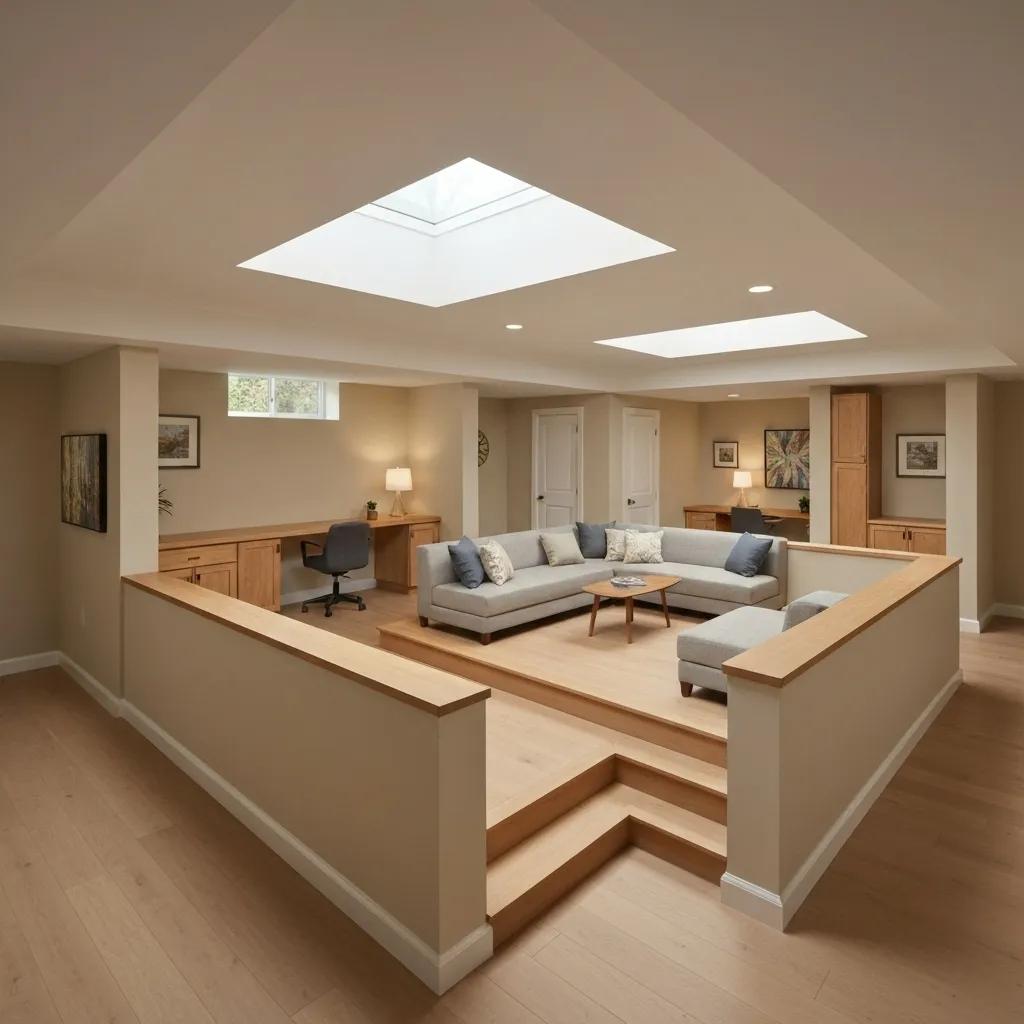
Open layouts reduce partition walls and labor hours while creating versatile spaces. Fewer walls mean less framing, drywall, and paint.
- Use half-walls or posts instead of full-height demising walls.
- Combine storage niches into support columns to eliminate separate closets.
- Position wet-bar or bathroom plumbing against exterior walls to avoid long pipe runs.
These layout strategies trim framing expenses and guide the selection of finishes in the next design phase.
Which Design Choices Help Reduce Basement Finishing Expenses?
Simple choices in finishes and fixtures can cut costs without sacrificing style:
- Exposed ceiling joists painted a neutral color instead of installing a drop ceiling.
- Basic LED can lights spaced strategically to avoid complex wiring.
- Prefinished trim and baseboards that eliminate onsite painting and labor.
Streamlined finishes lower material and labor costs and prepare for navigating permits efficiently.
How Can You Navigate Permits to Lower Project Costs?
Understanding local permit processes ensures compliance and avoids fines:
- Research permit fees online or at your building department before budgeting.
- Bundle inspections (electrical, plumbing, framing) into the same visit to save inspection fees.
- Submit complete, accurate plans to reduce revisions and associated re-inspection charges.
Early permit clarity reduces unexpected expenses and paves the way to material budgeting.
What Affordable Materials Can You Use for Basement Finishing?

Selecting budget-priced yet durable materials creates long-lasting value. A comparison of common options highlights where you can save most without compromising performance.
| Material | Approximate Cost per SQFT | Key Benefit |
|---|---|---|
| Vinyl Plank Flooring | $2.00 to $3.50 | Water-resistant and easy to install |
| Fiberglass Insulation | $0.50 to $1.00 | High R-value and pest-resistant |
| Standard Drywall | $0.40 to $0.60 | Smooth finish and paint ready |
Affordable selections across flooring, insulation, and walls lower upfront costs and introduce the next section on specific flooring options.
Which Basement Flooring Options Are Budget-Friendly and Durable?
Basement floors must resist moisture while delivering durability on a budget. Explore popular choices: key factors in basement finishing costs for Des Moines.
- Concrete Sealer, Applies directly to slab for a modern look and low cost.
- Laminate Flooring, Floating boards that repel moisture and install quickly.
- Ceramic Tiles, Durable and waterproof, especially on concrete with proper underlayment.
| Flooring Option | Durability Rating | Average Cost |
|---|---|---|
| Sealed Concrete | High | $1.50 per sqft |
| Laminate Plank | Medium | $2.50 per sqft |
| Ceramic Tile | High | $3.00 per sqft |
These flooring options balance cost, installation time, and moisture resistance before reviewing wall systems below.
What Are Cost-Effective Wall Systems for Basement Renovation?
Budget wall finishes streamline installation and reduce materials:
- Metal stud framing resists rot and warping compared to wood.
- Polystyrene foam board insulation saves on labor versus dense-pack insulation.
- Paintable wall panels install in large sheets, eliminating mud, tape, and sanding.
Simple wall systems cut assembly hours and prep the discussion on sourcing reclaimed materials.
How Can Smart Material Sourcing Save Money on Your Project?
Reclaimed and discount materials offer significant savings:
- Shop Habitat for Humanity ReStore outlets for surplus lumber and doors.
- Monitor online classifieds or auctions for lightly used fixtures and hardware.
- Buy in bulk with nearby homeowners tackling similar projects to secure volume discounts.
Smart sourcing extends your budget further while setting up DIY labor tactics next.
How Can DIY and Labor Strategies Reduce Basement Finishing Costs?
DIY and selective contractor use balance skill needs with cost control. Allocating tasks by complexity minimizes hourly rates and maximizes homeowner effort.
Choose DIY tasks like mudding, painting, and basic trim work to cut labor overhead by up to 30 percent. For complex electrical or plumbing, hire licensed professionals by the job and negotiate flat fees.
What DIY Tasks Are Best for Saving on Labor Costs?
Focus your efforts where training demands are low and error risks minimal:
- Painting walls and ceilings after priming.
- Installing basic shelving, trim, and door hardware.
- Applying concrete floor sealers or paint.
Tackling these tasks yourself frees up funds for professional trades where precision is critical.
How Do You Hire Contractors Smartly to Control Expenses?
Contractor selection and negotiation strategies include:
- Requesting multiple detailed bids for comparison.
- Choosing lump-sum quotes over time-and-materials rates.
- Scheduling work in off-peak seasons when labor demand is lower.
Smart hiring ensures expert work at competitive rates before exploring phased budgeting.
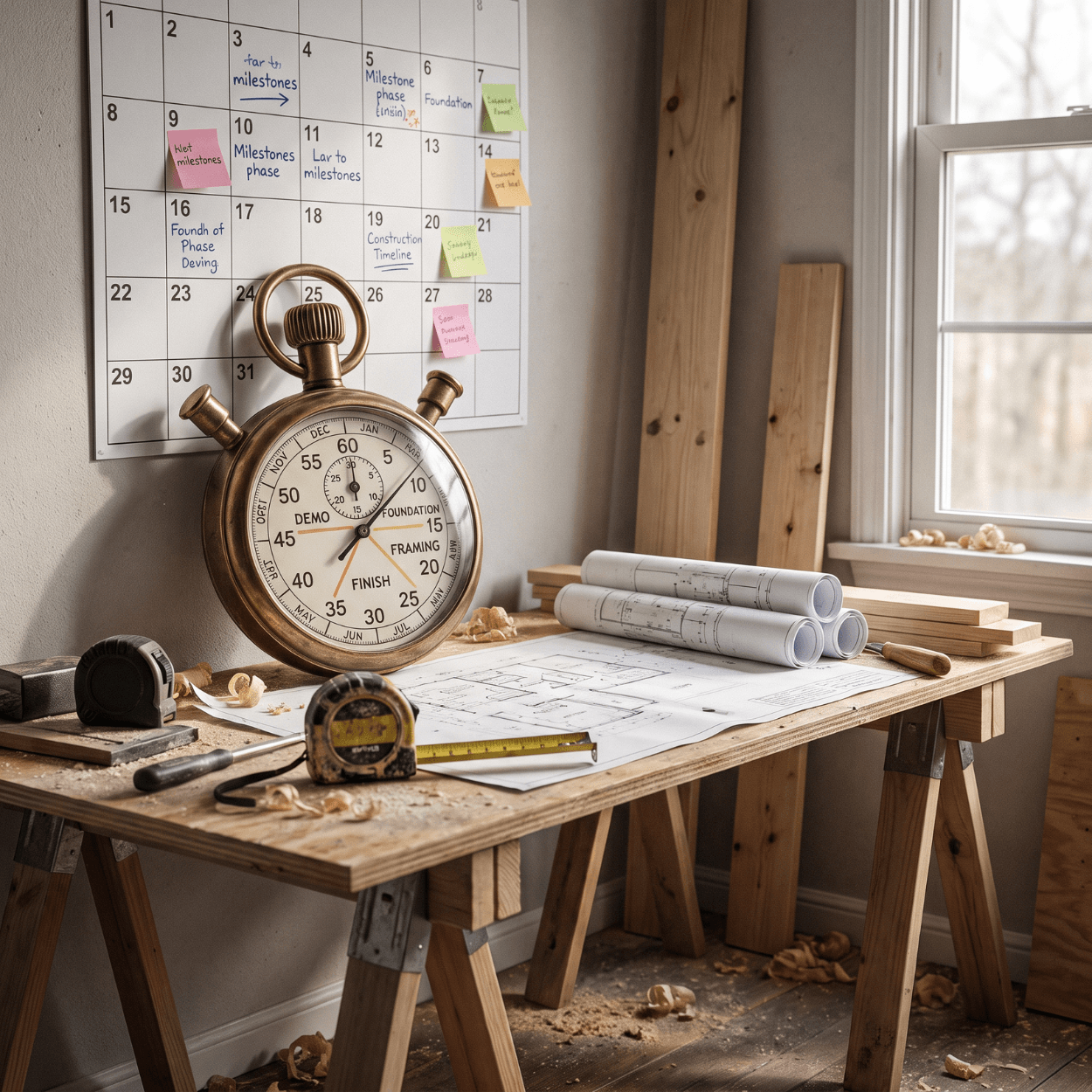
What Is the Phased Basement Finishing Approach for Budget Control?
Breaking the project into phases smooths spending and adapts priorities:
- Phase 1: Framing and rough-ins (electrical, plumbing, HVAC).
- Phase 2: Walls, insulation, and flooring.
- Phase 3: Finishes, fixtures, and trim.
A phased plan allows savings to accumulate between stages, leading into energy efficiency measures.
How Do Energy Efficiency and Long-Term Planning Save Money?
Energy-efficient upgrades reduce operating costs and protect your investment. Insulation, efficient windows, and proper HVAC integration cut monthly utility bills and enhance comfort.
Which Energy-Efficient Upgrades Lower Basement Operating Costs?
Incorporate these upgrades for ongoing savings:
- High-density foam insulation behind wall panels.
- Low-E egress windows to maintain heat retention.
- A dedicated mini-split HVAC zone rather than heating the whole house.
Lower operating expenses complement ROI strategies covered next.
How Can You Maximize ROI When Finishing Your Basement on a Budget?
Strategic enhancements deliver the best resale value:
- Adding a wet bar or half bath near existing plumbing lines.
- Creating a separate entrance to support future rental potential.
- Selecting neutral, durable finishes that appeal to most buyers.
Targeted upgrades drive up resale value while keeping initial budgets in check before avoiding pitfalls.
What Common Budget Pitfalls Should You Avoid in Basement Finishing?
Avoid these overspending traps:
- Overbuilding beyond neighborhood home values.
- Changing plans mid-project, leading to costly rework.
- Skipping moisture testing, resulting in mold remediation expenses.
Steering clear of these issues leads to the final creative tips for savings.
What Are the Best Creative Tips to Reduce Basement Finishing Expenses?
Beyond standard tactics, inventive approaches can shave thousands off your total cost. Repurposing and multi-use design concepts amplify savings and functionality.
Which Uncommon Budgeting Ideas Can Cut Basement Renovation Costs?
Implement these lesser-known hacks:
- Salvage architectural elements (doors, beams) from demolition sites.
- Use acoustic ceiling tiles with integrated LED panels to bypass track lighting.
- Convert old shipping pallets into accent wall cladding after proper treatment.
These inventive methods unlock additional savings before exploring multi-purpose layouts.
How Can Multi-Functional Basement Designs Save Money?
Designing for multiple uses maximizes every square foot and reduces the need for separate rooms:
- Combine guest accommodations with a home office using fold-down furniture.
- Include built-in storage benches that double as seating.
- Install a Murphy table in an exercise corner for workout and hobby space.
Multi-functional layouts create value and minimize extra construction, guiding you to start planning confidently.
, Ready to transform your basement without blowing your budget? Start by reviewing comprehensive Basement Finishing and Remodeling for expert guidance and explore the tips above to begin your cost-efficient renovation today.