How Modern Basement Design Ideas Transform Your Basement Space for Style and Function
Modern basement design transforms underutilized lower levels into stylish, functional extensions of your home by applying contemporary planning techniques, premium finishes, and strategic lighting. Homeowners facing dim, cramped basements can unlock value and comfort with open layouts, minimalist décor, eco-friendly materials, and smart technology, guided by expert design and remodeling services that deliver custom solutions, efficient scheduling, high-quality sourcing, and seamless implementation. This article explores four core themes: key modern design principles, popular transformation types, emerging renovation trends, and the step-by-step process from concept to completion.
What Are the Key Principles of Modern Basement Design?
Modern basement design principles define how layout, light, simplicity, and materials work together to improve aesthetics, flow, and durability while enhancing resale value.
How Do Open-Concept Layouts Enhance Basement Space Transformation?
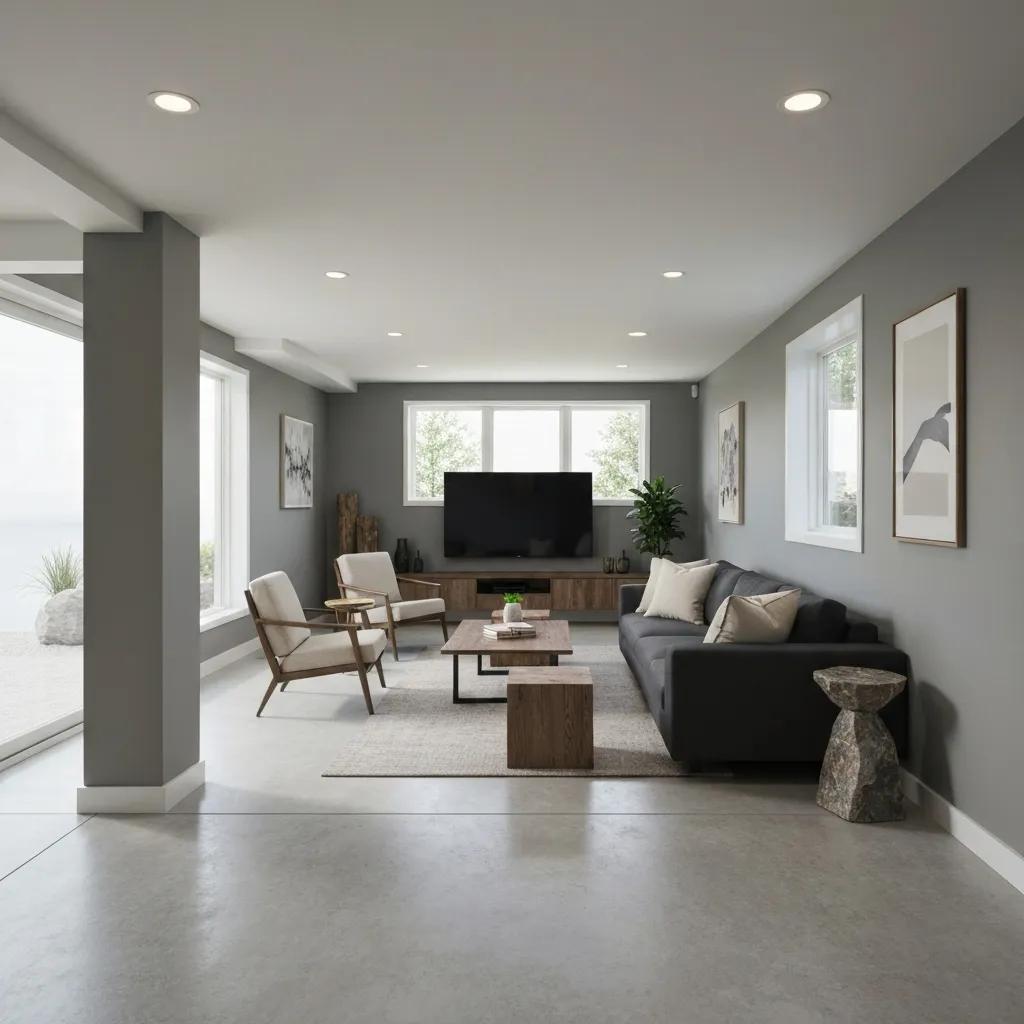
Open-concept layouts remove visual barriers to promote unobstructed circulation, which increases perceived square footage and encourages social interaction.
- Flexible zones adapt to entertaining, work, or play needs.
- Sightlines create a cohesive aesthetic.
- Fewer walls accelerate construction and lower costs.
By eliminating partitions, open planning streamlines traffic flow and paves the way for integrated lighting strategies.
Why Is Maximizing Natural and Artificial Light Essential in Modern Basements?
Bringing daylight through well-placed egress windows and high-efficiency fixtures improves mood, safety, and perceived space. LED strips, recessed cans, and track lighting supply uniform illumination where daylight can’t reach.
- LED lighting boosts energy efficiency and color accuracy.
- Recessed fixtures maintain clean ceilings.
- Track systems enable task-oriented adjustments.
These lighting strategies also prepare the basement for uncluttered minimalist styling.
How Do Minimalist Aesthetics Create Sleek Basement Designs?
Minimalist décor emphasizes clean lines, neutral palettes, and essential furniture to reduce visual clutter and foster a sense of calm. By choosing built-in storage, shallow-profile seating, and streamlined millwork, the basement feels more spacious and purposeful.
- Monochrome accents highlight architectural features.
- Hidden cabinetry conceals utilities without bulk.
- Simple furnishings focus on comfort and function.
A restrained aesthetic lays the groundwork for selecting intelligent, performance-driven materials.
What Smart Materials Are Best for Contemporary Basement Finishes?
Modern basements demand finishes that resist moisture, wear, and shifting temperatures while promoting easy maintenance and refined style.
| Material | Characteristic | Benefit |
|---|---|---|
| Luxury Vinyl Plank | Waterproof core | Prevents warping and mold growth |
| Polished Concrete | Seamless surface | Delivers industrial chic and durability |
| Engineered Hardwood | Humidity-stabilized layer | Preserves warmth and timeless appeal |
By choosing materials engineered for basements, homeowners ensure long-term performance and set the stage for value-adding transformations.
Which Popular Modern Basement Transformations Add Value and Functionality?
Transforming a basement often focuses on high-impact uses that blend lifestyle upgrades with return-on-investment: entertainment, work/fitness, and living suites.
How Can You Create a Modern Entertainment Hub in Your Basement?
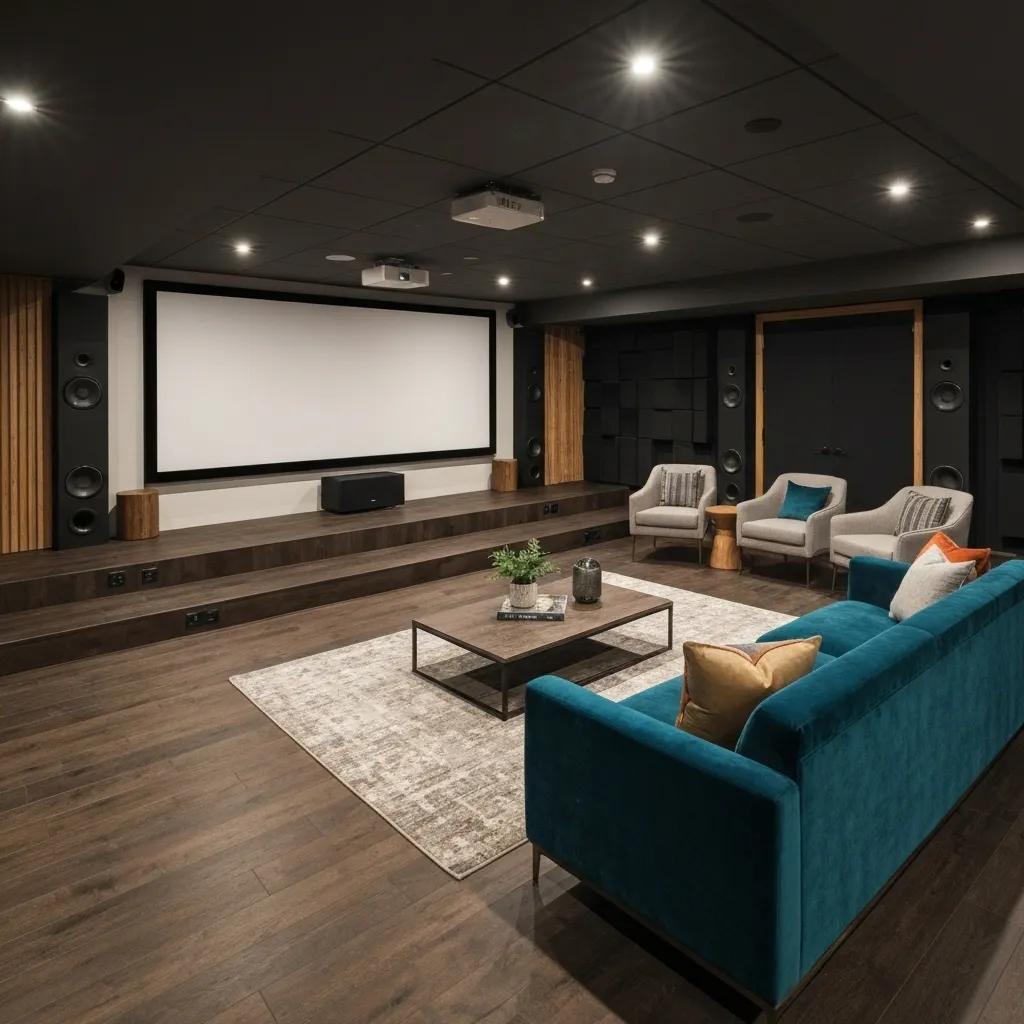
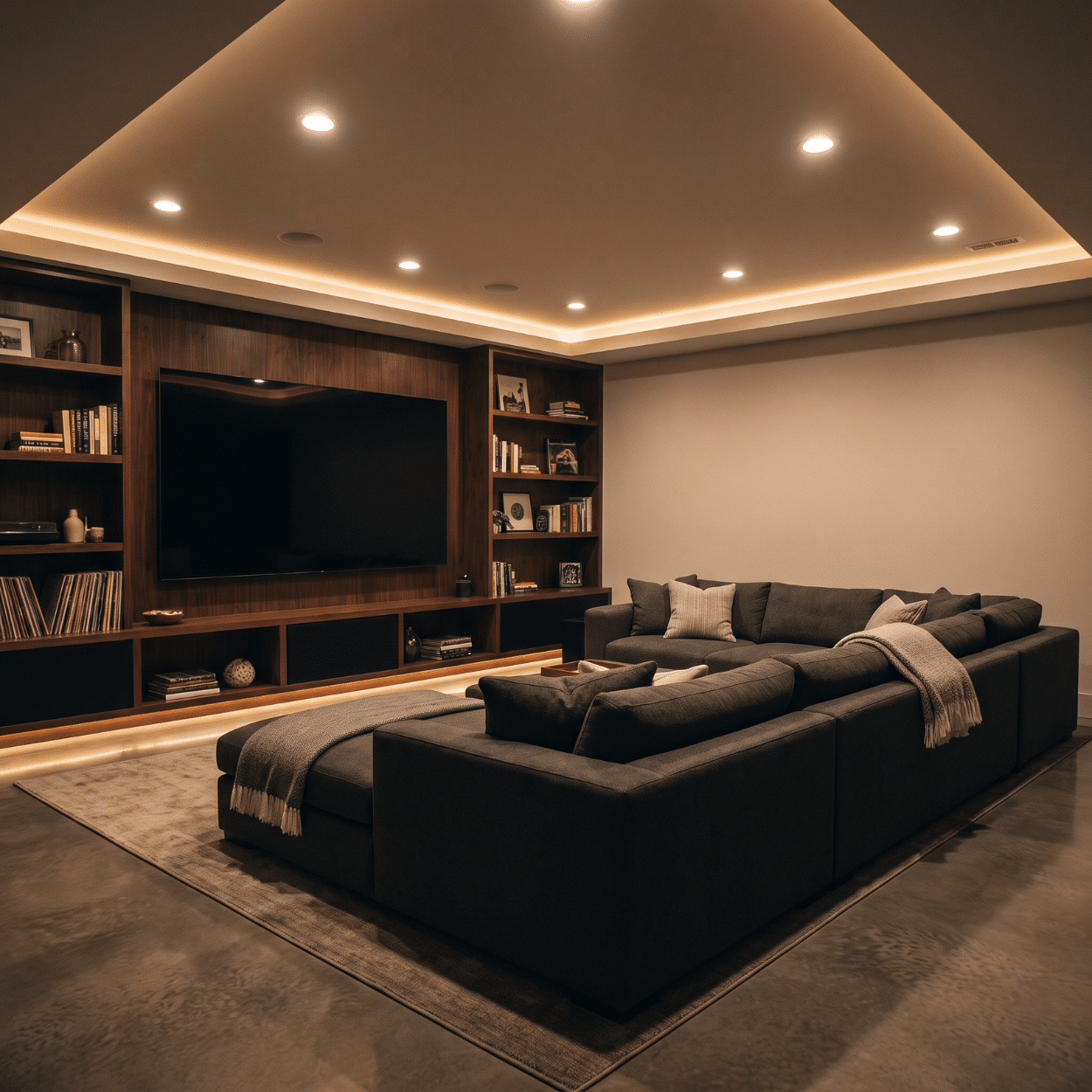
A modern home theater or media lounge combines acoustical panels, wall-mounted screens, and tiered seating to boost immersion and comfort.
- Install customizable ambient lighting that syncs with content.
- Use floating shelves and concealed wiring for a polished look.
- Integrate surround-sound speakers into wall cavities.
These features deliver cinematic experiences and naturally lead to designing productive home zones.
What Are the Benefits of Designing a Contemporary Home Office or Gym?
Dedicated office or exercise areas in a basement improve focus, health, and work-life balance by separating daily tasks from main living zones. key factors in basement finishing costs for des moines
- Ergonomic layouts promote posture and productivity.
- Rubber-tile or vinyl flooring cushions impact in a fitness area.
- Built-in desks and storage maximize footprint efficiency.
With a productive foundation in place, adding self-contained apartments or guest suites becomes a logical next step.
How Does a Modern Basement Apartment or Guest Suite Maximize Space?
A fully equipped apartment or guest suite in your basement delivers privacy, rental potential, and flexible living quarters.
- Compact kitchenettes feature pull-out cabinets and energy-efficient appliances.
- Sound-insulating walls maintain tranquility.
- Modular furniture adapts to changing occupancy.
This comprehensive approach naturally connects to current design and technology trends.
What Are the Latest Basement Renovation Trends in Modern Design?
Renovators now blend sustainability, automation, and natural elements to create healthy, livable, and future-ready basements.
How Do Sustainable and Eco-Friendly Designs Impact Basement Remodeling?
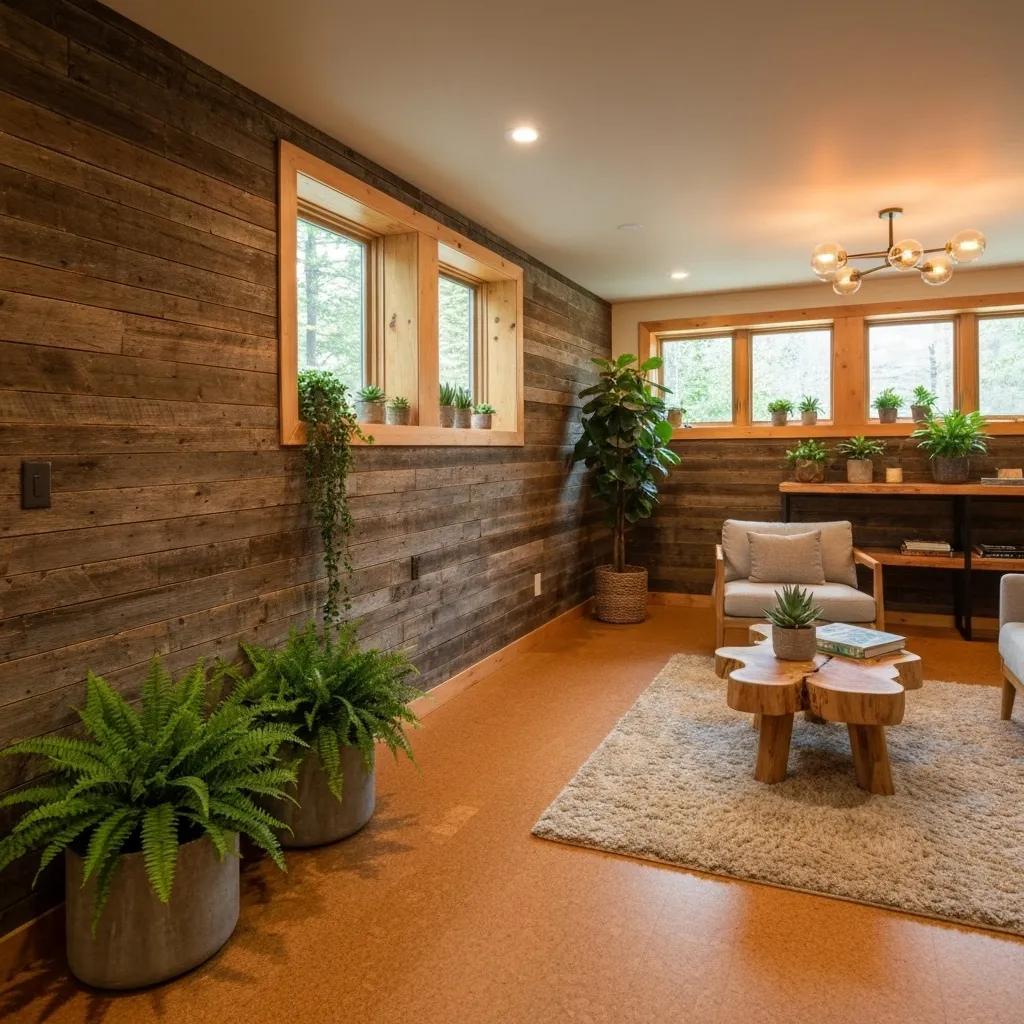
Eco-focused basements use recycled content, low-VOC finishes, and high-R insulation to improve indoor air quality, reduce energy use, and support green certifications.
| Material | Eco Attribute | Impact |
|---|---|---|
| Cork Flooring | Renewable harvest | Absorbs sound and reduces waste |
| Reclaimed Wood Paneling | Salvaged timber | Adds warmth and conserves resources |
| Low-VOC Paint | Zero harmful emissions | Promotes healthier living environments |
Green materials elevate wellness and value while anticipating stricter environmental standards.
What Role Does Integrated Smart Home Technology Play in Modern Basements?
Smart basements leverage networked systems for convenience, efficiency, and security by automating comfort controls and entertainment.
- Automated lighting scenes adapt to tasks and moods.
- Networked thermostats optimize HVAC performance.
- Voice-activated audio/video systems simplify entertainment.
Intelligent controls complement biophilic accents to create enriching environments.
How Are Biophilic Design Elements Used to Transform Basement Spaces?
Biophilic strategies reintroduce natural textures, colors, and living systems to counteract subterranean isolation.
- Living walls with moisture-tolerant species improve air quality.
- Natural stone and wood veneers add warmth and pattern.
- Indoor planters mounted in light wells connect to the outdoors.
These organic touches prepare homeowners for a seamless planning and build process.
How Does the Basement Transformation Process Work From Concept to Completion?
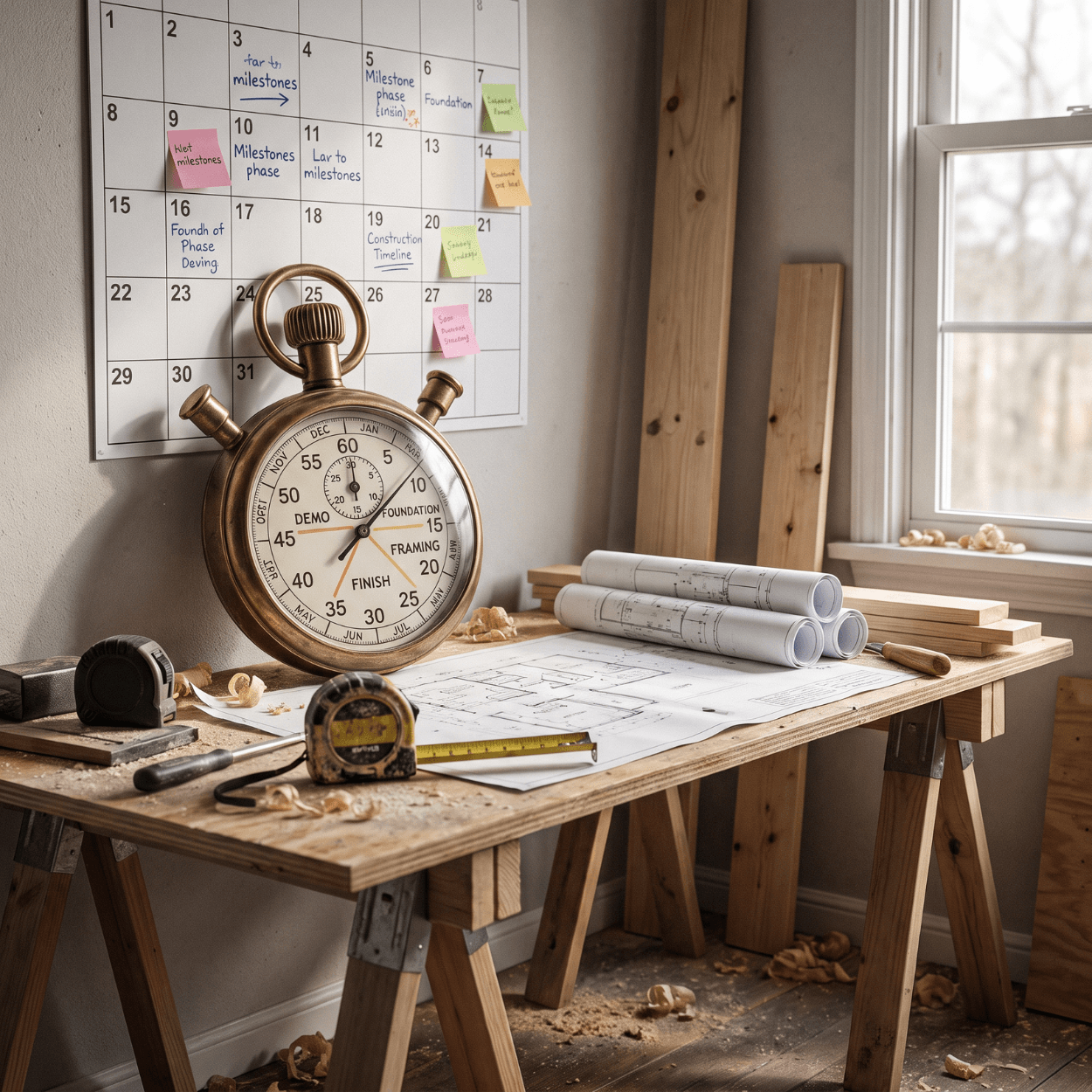
A successful modern basement renovation follows three core stages, planning, sourcing, and construction, guided by design expertise and project management. maximize space efforts in your basement renovation process.
What Happens During Planning and Design Consultation for Modern Basements?
Consultations define objectives, budget, and aesthetics through needs assessment, space profiling, and 3D renderings that align stakeholder expectations and technical constraints.
- Site evaluation and code compliance checks.
- Customized design proposals with material palettes.
- Timeline projections and cost estimates.
Clarity in planning drives informed material selection.
How Are Materials Selected and Sourced for Modern Basement Finishes?
Design professionals vet suppliers to secure moisture-resistant flooring, high-CRI lighting fixtures, and sustainable woods that meet performance and style criteria.
- Factory-sealed vinyl for subgrade resilience.
- LED fixtures rated for damp locations.
- FSC-certified veneer panels for accent walls.
Thoughtful sourcing ensures smooth construction and consistent quality.
What Are the Key Steps in Construction and Finishing of Modern Basements?
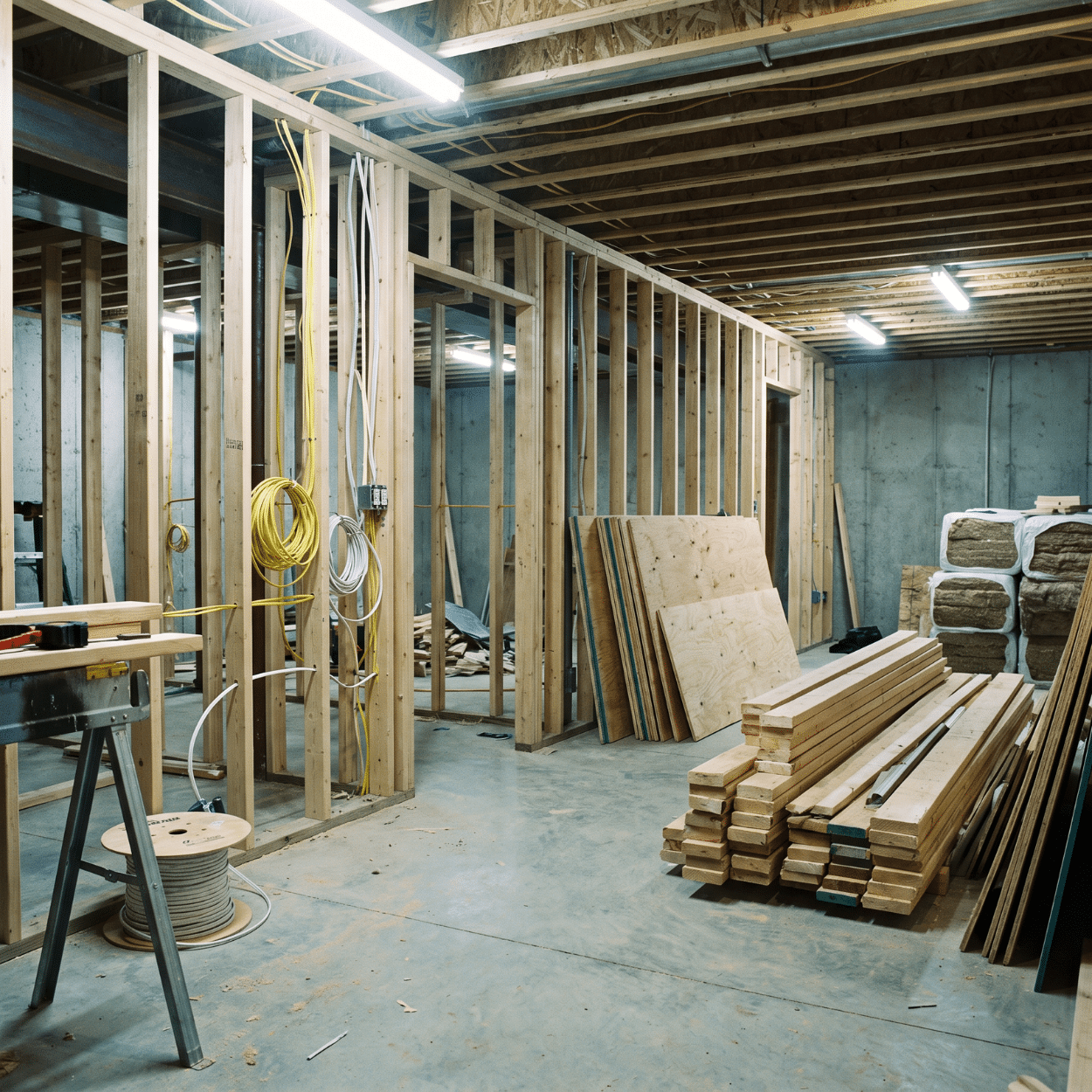
Expert teams execute site preparation, framing, insulation, and finishing with rigorous quality control to deliver safe, code-compliant, and beautiful results.
- Waterproofing and subfloor preparation.
- Framing, electrical, and plumbing rough-in.
- Thermal and acoustical insulation installation.
- Drywall, painting, trim, and finish carpentry.
- Final inspections and punch-list completion.
A structured build process guarantees a lasting, high-performance basement conversion.
Modern basement design melds open planning, targeted lighting, minimalist style, and premium materials to unlock underutilized square footage and enrich daily living. Popular transformations, including entertainment zones, home offices, and apartment suites, deliver lifestyle upgrades and financial returns. Emerging trends in sustainability, smart technology, and biophilic elements enhance wellness and future-proof value. By following a disciplined process from vision through execution, homeowners can seamlessly achieve a modern, functional basement that harmonizes style, performance, and investment potential.