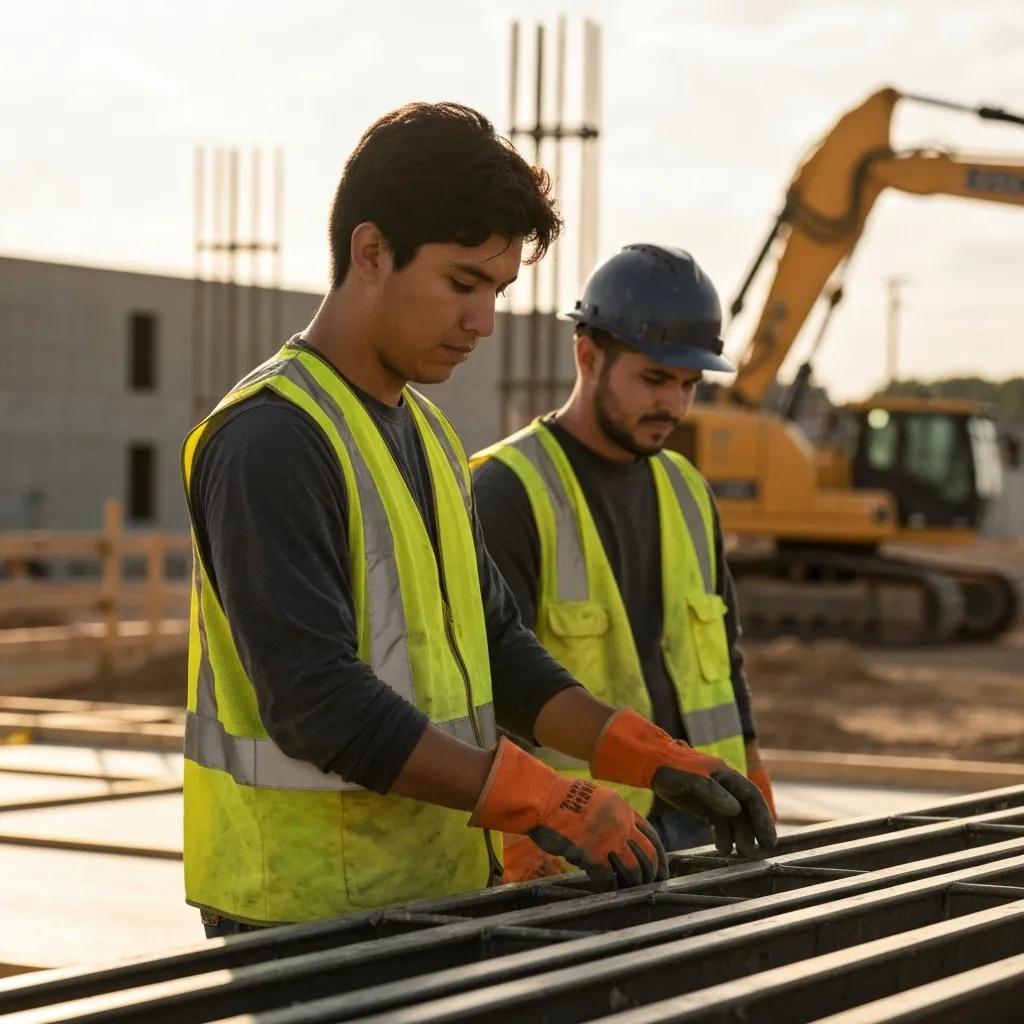
Iowa Construction Safety Guidelines You Must Know: Essential Standards and Practices for Homeowners
Every year in Iowa, residential building sites pose serious risks—falls, electrical shocks, and chemical exposures can derail your dream home and endanger workers. Understanding and applying Iowa construction safety guidelines protects your investment, prevents injuries, and ensures compliance with state law. In this guide, you’ll discover the regulatory framework (Iowa OSHA standards), the top residential hazards and prevention measures, homeowner responsibilities on site, our company’s safety culture at The Busy Builders, specialized training programs, components of a robust safety plan, and the legal and practical benefits of following these guidelines.
What Are Iowa OSHA Construction Standards and How Do They Apply to Home Building?
Iowa OSHA construction standards define mandatory workplace safety rules that govern residential and commercial building projects. By enforcing federal 29 CFR 1926 and Iowa Code Chapter 88 under an approved state plan, they minimize accidents and hazards on home sites. For example, guardrail requirements on roof edges and scaffold assembly rules ensure fall protection from initial framing through finishing stages.
What Is Iowa OSHA and How Does It Regulate Residential Construction?
Iowa OSHA (IOSH) is the Iowa Division of Labor Services unit that enforces workplace safety and health regulations. As a state-plan agency, it adopts federal OSHA construction standards, conducts inspections, issues citations, and offers on-site consultations. For instance, IOSH compliance officers may review scaffold stability on a new home to confirm adherence to fall-protection requirements.
Which Key Iowa Construction Safety Regulations Should Homeowners Know?
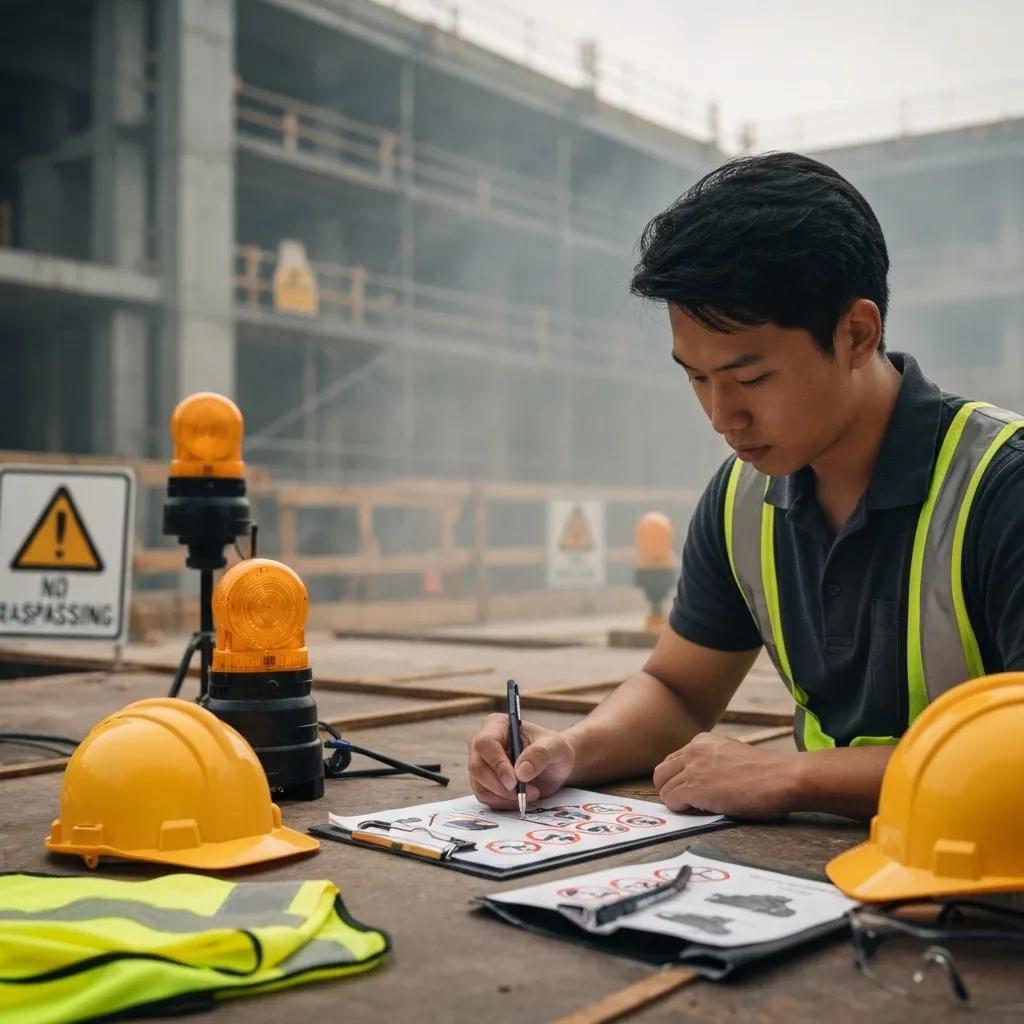
Homeowners should be aware of Iowa’s primary construction safety rules to ensure their builder’s compliance and avoid costly oversights.
| Regulation | Scope | Key Provision |
|---|---|---|
| Iowa Code Chapter 88 | State OSHA authority | Adopts federal standards and adds Right-to-Know rules |
| 29 CFR 1926 | Federal construction safety standards | Fall protection, scaffolding, excavation, PPE mandates |
| Iowa Admin. Code 875 – 26 | State-specific health and safety rules | Chemical communication, noise, respiratory protection |
These regulations form the legal backbone for safe home building in Iowa, guiding contractors’ practices from excavation to finish.
What Are Contractor Responsibilities Under Iowa Construction Safety Laws?
Contractors must establish and maintain all safety precautions, supervise workers, and enforce training requirements. The Busy Builders
- Develop and implement a site-specific safety program.
- Provide and inspect personal protective equipment daily.
- Conduct regular jobsite inspections and document corrective actions.
By fulfilling these duties, builders create a safer environment and deliver peace of mind for homeowners.
What Are the Most Common Construction Hazards in Iowa Residential Projects and How Can They Be Prevented?
Residential building sites often involve work at heights, live electrical setups, moving equipment, and confined spaces. Addressing these hazards proactively reduces injuries, project delays, and liability exposure. home building.
How Is Fall Protection Implemented on Iowa Home Building Sites?
Fall protection prevents lethal drops during framing, roofing, and exterior work.
- Install guardrail systems on elevated platforms.
- Use personal fall arrest systems with anchors rated per code.
- Secure scaffolds with OSHA-approved components and daily inspections.
These measures ensure that tasks above six feet proceed without compromising worker safety.
What Electrical Safety Measures Are Required During Home Construction?
- Employ ground-fault circuit interrupters on all outlets.
- Enforce lockout/tagout procedures before servicing electrical systems.
- Use insulated tools and non-conductive mats when working in damp locations.
Consistent application of these steps prevents shocks and arc-flash incidents on site.
How Can Struck-By and Caught-In/Between Accidents Be Avoided on Residential Sites?
Struck-by and caught-in/between events cause severe injuries during material handling and equipment operation.
- Establish exclusion zones around cranes, forklifts, and material stacks.
- Train crews on safe rigging and signaling procedures.
- Install trench shields for excavation work.
These controls isolate hazards and keep workers out of harm’s way.
What Are the Risks of Confined Spaces in Home Building and How Are They Managed?
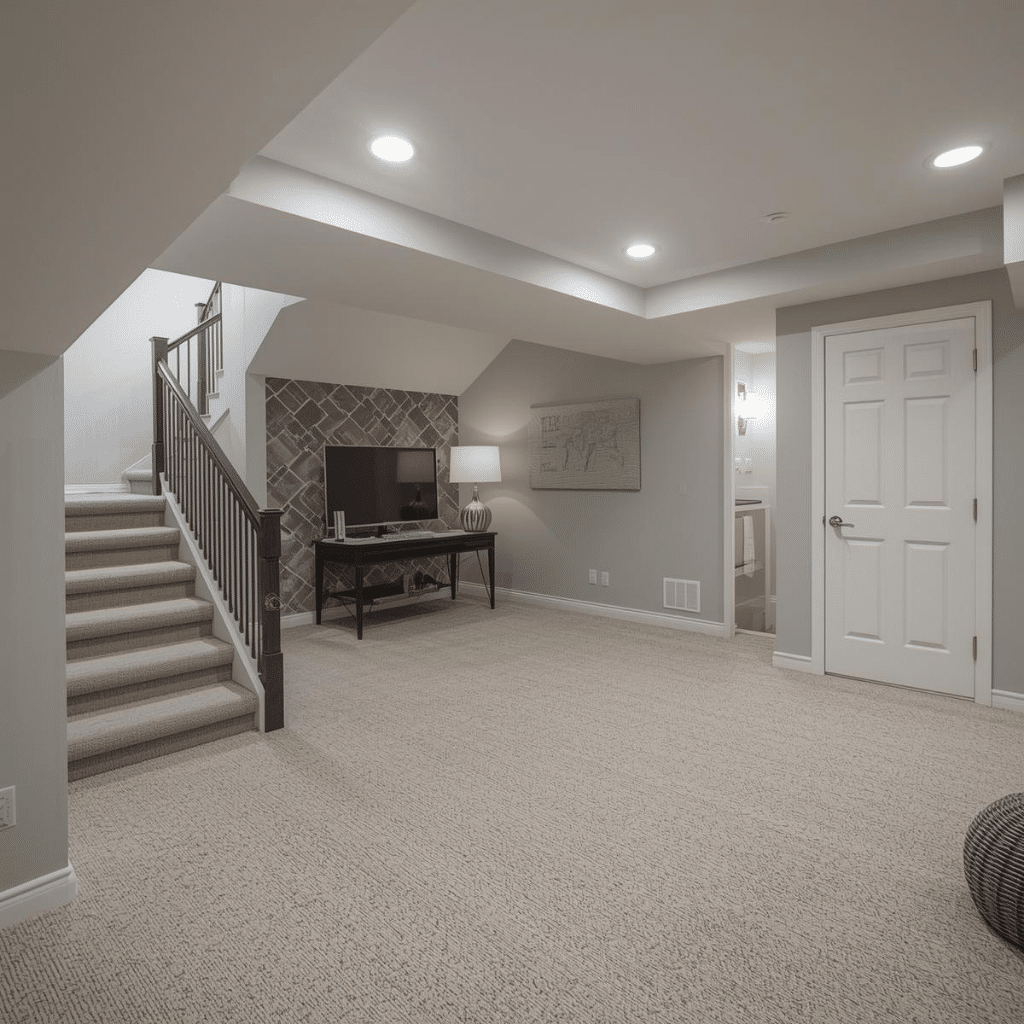
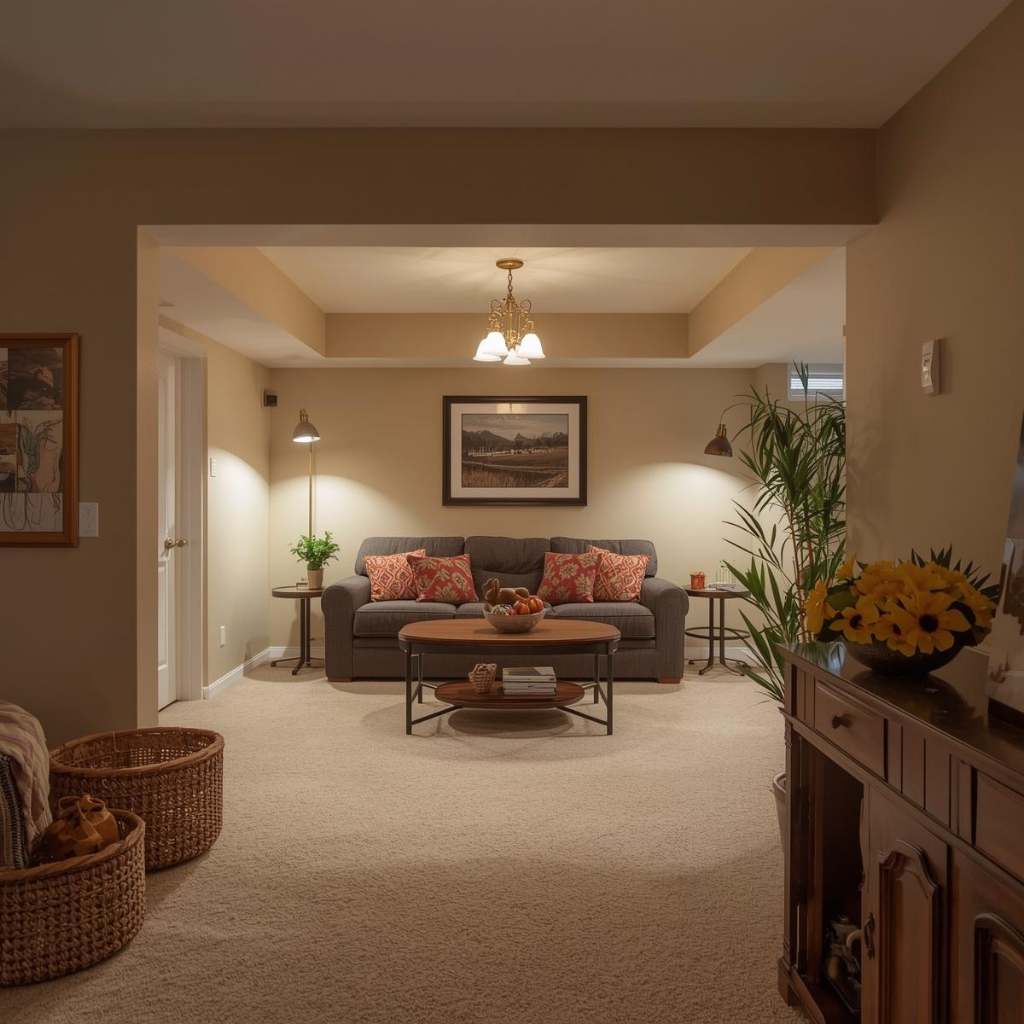
Confined spaces like basements or crawl spaces present oxygen deficiency, toxic atmospheres, and engulfment risks. maximize space efforts in your basement renovation process.
| Space Type | Primary Risk | Control Measure |
|---|---|---|
| Crawl Space | Poor ventilation | Use mechanical ventilation and monitors |
| Basement Vault | Oxygen displacement | Test air quality, provide fresh airflow |
| Enclosed Attic | Extreme heat | Schedule work in cooler hours, hydrate |
Implementing these controls allows safe entry and work in tight residential areas.
How Can Homeowners Ensure a Safe Construction Site During Their Home Building Project?
Homeowners play a key role in reinforcing safety culture by partnering with builders and monitoring site practices.
What Personal Protective Equipment (PPE) Should Visitors and Workers Use?
Proper PPE shields against common on-site injuries.
- Hard hats rated for impact protection.
- Steel-toe boots with slip-resistant soles.
- Eye protection (safety glasses or face shields).
- High-visibility vests for clear identification.
Consistent PPE use demonstrates a commitment to injury prevention across the site.
How Are Site Safety Plans and Emergency Procedures Developed and Communicated?
A safety plan formalizes risk controls and response actions. Key elements include:
- Hazard assessment results for every trade.
- Written evacuation and rescue protocols.
- Toolbox talks to communicate daily priorities.
- Posted emergency contact information on trailers.
When everyone understands procedures, emergencies are managed efficiently and with minimal confusion.
Why Is OSHA 10-Hour and 30-Hour Construction Training Important for Builders?
OSHA outreach training builds hazard recognition and compliance competency.
- The 10-Hour course equips entry-level workers with basic safety knowledge.
- The 30-Hour course covers supervisory roles and complex risk management.
- Both programs reduce accident rates and boost overall site safety culture.
By requiring these certifications, homeowners ensure their crews have proven expertise.
How Can Homeowners Identify and Report Unsafe Conditions on Their Job Site?
Active homeowner involvement spotlights hazards before they cause harm.
- Walk site perimeters daily using a simple safety checklist.
- Note missing guardrails, frayed extension cords, or blocked exits.
- Raise concerns directly with the superintendent in writing.
- Escalate unresolved issues to the safety manager for prompt action.
Open communication channels reinforce accountability and continuous improvement.
What Is The Busy Builders’ Commitment to Iowa Construction Safety?
At The Busy Builders, safety isn’t just compliance—it’s a core value embedded in every project. We blend rigorous planning, continuous training, and transparent reporting to protect both workers and homeowners.
How Does The Busy Builders Ensure Compliance with Iowa Safety Guidelines?
Our compliance process integrates dedicated safety professionals and documented protocols.
- Conduct third-party safety audits before each project milestone.
- Maintain up-to-date certifications for all supervisors.
- Perform daily pre-task hazard analyses with crews.
This structured approach guarantees consistent adherence to Iowa OSHA standards.
What Proactive Safety Programs Does The Busy Builders Implement?
We lead with proactive initiatives that go beyond minimum requirements:
| Program | Focus | Benefit |
|---|---|---|
| WORKSAFE | Pre-construction safety review | Identifies hazards early to prevent rework |
| Toolbox Talks | Daily safety briefings | Keeps risk controls top of mind for all trades |
| Site Audits | Random unannounced inspections | Ensures continuous compliance and corrective action |
These programs cultivate a vigilant culture and drive zero-incident goals.
Can You See Examples of Safe Home Building Projects by The Busy Builders?
- A two-story custom home where we used engineered fall-arrest anchors to protect roofers.
- A basement addition with confined-space protocols that enabled safe crew access.
- Multiple new builds employing integrated electrical lockout/tagout systems.
These successes illustrate how our safety-first approach delivers quality outcomes on schedule.
How Do Iowa Construction Safety Training Programs Support Safer Home Building?

Training elevates risk awareness, equips crews with best practices, and ensures legal compliance on every site.
What Is the Iowa OSHA 10-Hour Construction Training and Who Should Take It?
The Iowa OSHA 10-Hour course offers entry-level construction workers a foundational understanding of hazard recognition. Typical participants include new hires, subcontractors, and anyone exposed to common site risks. This training reduces on-the-job incidents by promoting safe work habits from day one.
How Does OSHA 30-Hour Training Enhance Builder Safety Competency?
OSHA’s 30-Hour construction program deepens knowledge of complex safety topics, such as fall protection engineering, excavation safety, and supervision of multi-employer sites. Supervisors, foremen, and project managers benefit most, because they apply advanced protocols and mentor crews in real time.
Where Can Builders and Homeowners Access Iowa-Specific Safety Training?
Iowa-specific courses are available through: the busy builders
- Iowa OSHA On-Site Consultation Program.
- Master Builders of Iowa’s WORKSAFE training.
- Industry associations and community college extension programs.
Selecting accredited providers ensures that safety training aligns with both federal and state regulations.
What Are the Essential Components of a Construction Safety Plan for Iowa Home Building Projects?
A comprehensive safety plan documents hazards, controls, and ongoing monitoring to keep every phase of a home build incident-free.
How Is a Residential Construction Safety Plan Developed and Implemented?
To build an effective plan, follow these steps:
- Conduct a detailed job hazard analysis for each work phase.
- Define control measures, including fall protection and PPE requirements.
- Assign responsibility for hazard controls and training.
- Review and update the plan whenever site conditions change.
This cycle ensures that safety remains dynamic and responsive to real-world risks.
What Hazard Communication Requirements Must Be Included in Safety Plans?
Clear communication about chemicals prevents poisoning and compliance violations.
| Chemical Type | Documentation Required | Training & Labeling |
|---|---|---|
| Paints and Solvents | Manufacturer Safety Data Sheets | Annual hazard communication sessions |
| Adhesives | Written hazard assessments | GHS-compliant labeling on containers |
| Cleaning Agents | Emergency first-aid procedures | Posting of exposure control measures |
Embedding these elements in the plan fulfills Right-to-Know statutes and keeps crews informed.
How Do Fall Protection and PPE Integrate Into a Comprehensive Safety Plan?
Combining fall arrest systems with mandatory PPE enforces dual layers of protection. The plan should:
- Specify anchor points, harness inspection intervals, and rescue procedures.
- Include a PPE matrix matching tasks to required gear.
- Schedule regular equipment audits and retraining sessions.
This integration aligns hazard controls with equipment availability and worker competencies.
What Are the Legal and Practical Benefits of Following Iowa Construction Safety Guidelines?
Adhering to safety regulations yields both compliance advantages and operational efficiencies that benefit homeowners and builders alike.
How Do Safety Guidelines Protect Workers and Homeowners During Construction?
Iowa safety standards reduce injury rates, prevent costly work stoppages, and safeguard future occupants from latent hazards. By enforcing structured controls, projects proceed smoothly, and completed homes meet quality benchmarks for long-term durability.
What Are the Consequences of Non-Compliance for Contractors and Homeowners?
Failure to comply can result in citations, monetary penalties, project shutdowns, and elevated insurance premiums. In severe cases, liability for accidents exposes both contractors and homeowners to legal claims and reputational damage.
How Does a Strong Safety Culture Improve Project Outcomes and Timelines?
A proactive safety culture minimizes disruptions by preventing incidents, fostering consistent procedures, and boosting crew morale. When each trade operates under clear guidelines, coordination improves and construction schedules stay on track.
Every Iowa homeowner deserves a construction project that prioritizes safety, quality, and compliance.
By mastering these guidelines—from understanding Iowa OSHA standards to integrating proactive programs—you’ll protect your investment, support skilled crews, and enjoy the peace of mind that comes with a well-built home.
Our team at The Busy Builders is dedicated to guiding you through each step of a safe residential build. Reach out today to learn how we can make your Iowa home project both secure and successful.
Frequently Asked Questions
What should homeowners do if they notice unsafe conditions on their construction site?
If homeowners observe unsafe conditions, they should take immediate action to address the issue. This includes conducting a thorough walk of the site using a safety checklist to identify hazards such as missing guardrails or blocked exits. Homeowners should communicate their concerns directly to the site superintendent in writing and escalate unresolved issues to the safety manager. Prompt reporting helps ensure that safety measures are implemented quickly, protecting both workers and the integrity of the project.
How can homeowners verify that their contractors are following safety regulations?
Homeowners can verify contractor compliance with safety regulations by requesting documentation of safety training and certifications, such as OSHA 10-Hour and 30-Hour training. Additionally, homeowners should ask for a copy of the contractor’s safety plan, which outlines hazard assessments and control measures. Regular site visits and open communication with the contractor about safety practices can also help ensure that safety standards are being upheld throughout the construction process.
What role do safety audits play in construction projects?
Safety audits are critical in construction projects as they help identify potential hazards and ensure compliance with safety regulations. Conducted by third-party professionals or internal safety teams, these audits assess the effectiveness of safety protocols and identify areas for improvement. Regular audits can prevent accidents by ensuring that safety measures are consistently applied and that workers are following established procedures. They also foster a culture of accountability and continuous improvement on the job site.
What are the benefits of having a site-specific safety plan?
A site-specific safety plan tailors safety measures to the unique risks associated with a particular construction project. It includes detailed hazard assessments, control measures, and emergency procedures relevant to the site. This customization enhances worker safety by addressing specific conditions and potential hazards. Additionally, having a well-documented safety plan can improve compliance with regulations, reduce liability, and promote a culture of safety among all workers and stakeholders involved in the project.
How can homeowners support a safety culture on their construction site?
Homeowners can support a safety culture by actively engaging with contractors and workers about safety practices. This includes participating in safety meetings, encouraging open communication about hazards, and reinforcing the importance of using personal protective equipment (PPE). Homeowners should also lead by example, demonstrating a commitment to safety by adhering to site rules and protocols. By fostering a collaborative environment, homeowners can help ensure that safety remains a top priority throughout the construction process.
What should be included in a construction safety training program?
A comprehensive construction safety training program should include topics such as hazard recognition, proper use of personal protective equipment (PPE), emergency response procedures, and specific safety protocols related to the tasks being performed. Training should be tailored to the workforce’s experience level, with basic training for new workers and advanced topics for supervisors. Regular refresher courses and hands-on training sessions can reinforce safety knowledge and ensure that all workers are equipped to handle potential risks on the job site.