Navigating Home Building Permits in Iowa: Complete Guide to Requirements, Applications, and Costs
Obtaining a home building permit in Iowa can feel overwhelming, but understanding each step turns complexity into clarity. This guide explains why permits matter, details state and local requirements, walks through the application process, clarifies applicable codes, breaks down fees, outlines inspections, and highlights county-specific nuances. Whether you’re planning a new build, an addition, or a major renovation, you’ll learn how to meet Iowa’s regulatory standards and how The Busy Builders streamline every phase of permit navigation.
What Are the Iowa Building Permit Requirements for Home Construction?
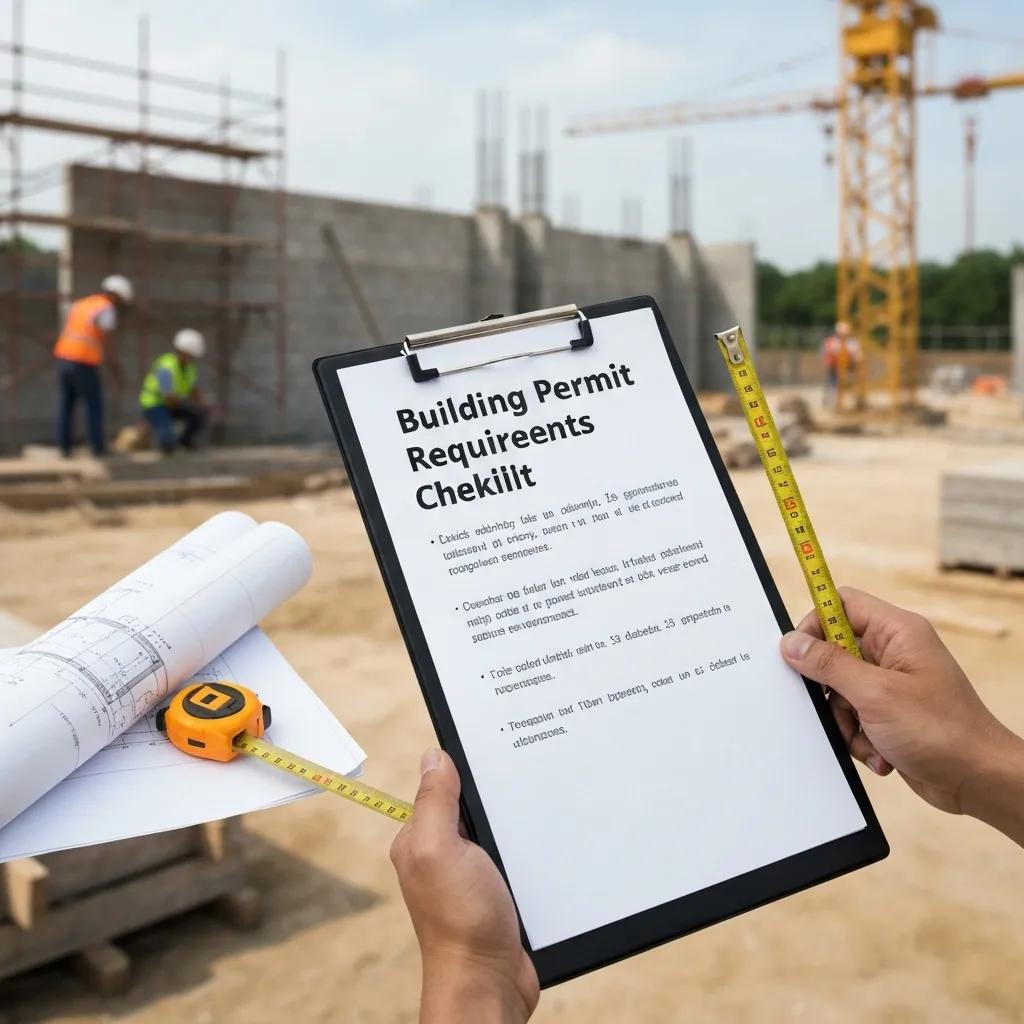
Iowa requires a building permit for any project that changes structural elements, adds square footage, or alters life-safety systems to ensure compliance with state and local regulations. These requirements protect occupants and maintain property value.
Which Home Construction Projects Require a Building Permit in Iowa?
- New home construction or additions that increase conditioned floor area.
- Structural alterations such as removing load-bearing walls.
- Decks exceeding 30 inches above grade or over 200 square feet in area.
- Major remodels impacting electrical, plumbing, or mechanical systems.
- Demolition of exterior walls or major structural components.
Future projects touching any of these categories must align with permit conditions and inspections before proceeding.
What Are Common Permit Exemptions for Residential Construction in Iowa?
- Accessory structures under 200 sq ft and not serving as living spaces.
- Interior repairs such as drywall replacement without changing configurations.
- Painting, carpeting, and non-structural finishes.
- Detached sidewalks or driveways on private property.
- Retaining walls under 4 feet in height where not supporting a surcharge.
These exemptions let homeowners undertake small projects quickly, though local jurisdictions may impose additional thresholds.
What Documents Are Needed for Iowa Building Permit Applications?
Before submitting, prepare:
- Site plan showing property lines, setbacks, and existing structures.
- Construction drawings detailing floor plans, elevations, and cross-sections.
- Engineered structural calculations for foundations or beams.
- Energy compliance documentation meeting Iowa’s IECC requirements.
- Contractor license proof and liability insurance certificates.
Having these in order accelerates plan review and approval, minimizing back-and-forth with building officials.
Why Is Contractor Licensing Important for Iowa Building Permits?
Licensed contractors ensure work meets code, safety, and craftsmanship standards.
- Verifies professional training and continuing education
- Provides homeowners with financial protection through bonding
- Satisfies trade-specific permit requirements for electrical, plumbing, and HVAC
- Reduces inspection failures and costly rework
Working with licensed professionals like The Busy Builders means permits, inspections, and compliance are managed by experts committed to quality.
How Does the Building Permit Application Process Work in Iowa?
Iowa’s permit application follows a clear sequence from research to Certificate of Occupancy, balancing thoroughness with predictable timelines.
What Are the Step-by-Step Procedures to Apply for a Building Permit in Iowa?
Starting the process involves:
- Research Local Codes: Confirm county and city amendments to the State Building Code.
- Assemble Documents: Compile site plans, construction drawings, engineered details, and energy certificates.
- Submit Application: Use online portals where available or visit the local building department.
- Plan Review: Officials review for code compliance, often within 5–10 business days.
- Revise and Resubmit: Address any review comments promptly to avoid delays.
- Pay Fees: Calculate fees based on valuation, flat rates, and plan review charges.
- Permit Issuance: Receive official approval and permit placard to post on-site.
Completing each step in order creates a streamlined path toward construction start.
How Do Online and In-Person Permit Applications Differ in Iowa?
Most larger jurisdictions (e.g., Polk County, Iowa City) offer online submission with digital payment, immediate tracking, and automated status updates. Smaller counties often require paper applications and in-person plan drop-off, which can extend review times. Choosing the right method depends on your project location and personal preference for digital versus face-to-face interactions.
What Are Typical Timelines and Common Delays in Iowa Permit Approvals?
Review timelines vary:
- Scott County: 3–5 business days for residential.
- Dallas County: 7–10 business days.
- Linn County: 5–7 business days.
Frequent delays occur due to incomplete documentation, missing signatures, or discrepancies in site plans. Early preparation and pre-submission consultations help avoid these hold-ups.
How Are Sub-Permits for Electrical, Plumbing, and Mechanical Work Obtained?
Sub-permits follow the main building permit and require:
- Licensed trade contractor credentials.
- Separate applications with scope descriptions.
- Corresponding fees based on fixture counts or labor valuation.
- Coordination of inspections with the primary permit.
Coordinating sub-permits ensures all systems are inspected in sequence, preventing inspections from overlapping or missing.
How Does The Busy Builders Assist with the Permit Application Process?
The Busy Builders acts as a permit navigator, offering:
- Full document compilation and submission via streamlined online portals.
- Liaison services with building departments to expedite plan review.
- Real-time updates on permit status and inspection scheduling.
- Coordination of all sub-permits through licensed electricians, plumbers, and HVAC technicians.
- A one-call solution from design to Certificate of Occupancy.
By leveraging our expertise in code compliance and local processes, you stay focused on project vision while we manage the paperwork. Learn more about our comprehensive home building services on our main page: Home Remodeling in Des Moines: Busy Builders LLC.
What Are the Key Iowa Residential Building Codes and Local Regulations?
Residential permits hinge on adherence to state and international codes with local amendments, ensuring safety and energy efficiency.
Which State and International Codes Apply to Iowa Home Building Permits?
Iowa’s baseline includes:
| Code Edition | Scope | Adoption Year |
|---|---|---|
| IRC 2015 | One- and two–family dwellings | 2015 |
| IBC 2015 | Commercial and multi-family structures | 2015 |
| IECC 2012 | Energy efficiency standards | 2012 |
| NEC 2017 | Electrical safety | 2017 |
International Code Council, International Residential Code (IRC) (2015)
[Iowa Building Codes and Standards]
Iowa adheres to specific building codes, including the 2015 International Residential Code (IRC) for one- and two-family dwellings, the 2015 International Building Code (IBC) for commercial and multi-family structures, the 2012 International Energy Conservation Code (IECC) for energy efficiency, and the 2017 National Electrical Code (NEC) for electrical safety. These codes set minimum standards for structural safety, fire prevention, energy conservation, and electrical installations.
How Do Local Amendments and Zoning Laws Affect Building Permits in Iowa?
Counties and cities may impose:
- Height restrictions or building envelope limits.
- Front, side, and rear setback requirements.
- Floodplain or wetland buffer regulations.
- Design review overlays in historic or planned neighborhoods.
Zoning law compliance is verified during plan review, so confirming local ordinances early prevents code conflicts.
What Are the Safety and Energy Standards Required by Iowa Codes?
Iowa mandates:
- Fire-resistant materials in critical areas such as egress routes.
- Carbon monoxide and smoke detectors in living spaces.
- Minimum R-value insulation thresholds in walls, ceilings, and floors.
- Air-sealing requirements and duct testing for HVAC systems.
- Water-conserving plumbing fixtures.
Meeting these standards enhances home safety, reduces operating costs, and ensures eligibility for energy-efficient mortgage programs.
How Much Do Building Permits Cost in Iowa? Understanding Fees and Estimates
Permit fees vary by project valuation, complexity, and jurisdiction to cover administrative, plan review, and inspection costs.
How Are Iowa Building Permit Fees Calculated?
Most jurisdictions use one of three models:
- Valuation-based: Fee equals a percentage of construction cost.
- Flat fee: Fixed rates for single-family dwellings under a set size.
- Plan review fee: Separate charge for detailed plan examination.
Combining these yields total permit costs that reflect project scale and review resources required.
What Are Typical Cost Ranges for Residential Building Permits in Iowa?
| Permit Type | Fee Range | Calculation Method |
|---|---|---|
| Single-Family | $300–$1,200 | Valuation or flat |
| Additions | $150–$600 | Square footage tier |
| Decks | $75–$250 | Flat fee |
| Remodels | $100–$800 | Valuation |
Higher valuations, specialty materials, or commercial features may push fees to the upper end of these ranges.
What Additional Fees Apply for Sub-Permits and Plan Reviews?
| Sub-Permit | Fee Range | Basis |
|---|---|---|
| Electrical | $50–$300 | Service size/fixture |
| Plumbing | $40–$200 | Fixture count |
| Mechanical (HVAC) | $60–$350 | Equipment valuation |
| Plan Review | 25–50% of fee | Complexity multiplier |
Understanding these tiers allows accurate budgeting before finalizing construction financing.
What Inspections Are Required and How Do You Obtain a Certificate of Occupancy in Iowa?
Inspections verify each stage of construction meets code. A Certificate of Occupancy (CO) confirms legal readiness for habitation.
What Types of Building Inspections Are Conducted During Construction?
Common inspection stages include:
- Footing and foundation before concrete pour.
- Rough-in inspections for plumbing, electrical, and mechanical systems.
- Insulation and energy compliance prior to drywall.
- Final inspection covering structural, safety, and site conditions.
Sequential inspections ensure structural integrity, life-safety compliance, and energy efficiency benchmarks are met.
How Do You Schedule and Prepare for Inspections in Iowa?
Scheduling typically requires:
- Online or phone request at least 24 hours in advance.
- Providing permit number, address, and inspection type.
- Clearing site of debris and ensuring safe access to inspected areas.
- Having corresponding contractors present for trade-specific inspections.
Well-prepared sites speed up inspector walkthroughs and keep the project timeline on track.
Why Is the Certificate of Occupancy Essential for New Homes in Iowa?
A CO:
- Legally authorizes homeowner occupancy.
- Confirms compliance with all building codes.
- Is required for utility activation and homeowner insurance.
- Validates real estate transactions and resale value.
Securing this final approval marks the culmination of code-compliant construction and grants full use of your new home.
How Do County-Specific Building Permit Requirements Vary Across Iowa?
Local building departments implement state codes with tailored administrative processes and fee structures.
What Are the Permit Differences in Dallas, Scott, Polk, and Linn Counties?
| County | Review Time | Online Portal | Flat vs. Valuation | Notable Variation |
|---|---|---|---|---|
| Dallas | 7–10 days | Yes | Valuation | Fee waiver for agricultural barns |
| Scott | 3–5 days | Yes | Flat (small homes) | Historic district design review |
| Polk | 5–7 days | Yes | Valuation | Free pre-application consultations |
| Linn | 5–8 days | Partial | Valuation | Enhanced energy code enforcement |
Where Can Homeowners Find Official County Permit Resources and Forms?
Each county maintains a planning or building department website with downloadable permit packets, fee schedules, and code manuals. Checking official county portals before project kickoff avoids searching errors and ensures up-to-date reference.
How Does The Busy Builders Help Navigate Local Permit Variations?
Our team leverages on-the-ground experience in multiple Iowa counties to:
- Identify unique local requirements.
- Tailor application documents to each jurisdiction.
- Schedule site visits and consultations with local officials.
- Expedite permit approvals through proactive problem solving.
This localized expertise reduces surprises and keeps your project moving forward smoothly.
What Are Common Challenges in Navigating Iowa Building Permits and How Can They Be Avoided?
New-home projects often stall due to paperwork errors or missed deadlines, but strategic planning averts most pitfalls.
What Are Frequent Mistakes Homeowners Make During the Permit Process?
Common errors include:
- Submitting incomplete site plans lacking setback details.
- Overlooking local zoning overlays or easements.
- Failing to include energy compliance certificates.
- Ignoring sub-permit requirements for trades.
- Delaying permit submission until late in the design phase.
Anticipating these issues allows early corrections and keeps review timelines on track.
How Does Early Permit Planning Improve Construction Timelines?
Starting permit preparations during schematic design:
- Clarifies cost expectations for fees and plan revisions.
- Reveals code conflicts before detailed drawing production.
- Aligns contractor schedules around inspection availability.
- Prevents rework by integrating code compliance from day one.
This front-loaded approach accelerates approvals and reduces costly mid-project modifications.
How Does The Busy Builders Mitigate Permit Delays and Compliance Issues?
We deploy a three-pronged strategy:
- Pre-Application Audit: Verify all documentation and local ordinances.
- Ongoing Liaison: Communicate with building officials to resolve questions in real time.
- Contingency Planning: Identify alternative design solutions for unexpected code variances.
By embedding this process into every project, we minimize stoppages and ensure continuous progress.
Residential construction in Iowa thrives when homeowners and contractors work in sync, balancing design aspirations with code requirements. Armed with this guide and The Busy Builders’ expertise, you’re equipped to navigate permits efficiently, comply confidently, and build your dream home without regulatory surprises.
Frequently Asked Questions
What Should Homeowners Know About Local Building Codes in Iowa?
Local building codes in Iowa can vary significantly from state regulations. Homeowners should familiarize themselves with specific county or city amendments to the State Building Code, which may include unique zoning laws, height restrictions, and design requirements. Engaging with local building departments early in the planning process can help ensure compliance and avoid costly mistakes. Additionally, understanding these local codes can provide insights into potential delays or additional requirements that may arise during the permit application process.
How Can Homeowners Ensure Compliance with Energy Efficiency Standards?
To comply with Iowa’s energy efficiency standards, homeowners must adhere to the International Energy Conservation Code (IECC) requirements. This includes ensuring proper insulation, air sealing, and the installation of energy-efficient windows and doors. Homeowners should also provide energy compliance documentation during the permit application process. Consulting with a licensed contractor familiar with these standards can help ensure that all aspects of the construction meet the necessary energy efficiency benchmarks, ultimately leading to lower utility costs and a more sustainable home.
What Are the Consequences of Not Obtaining a Building Permit in Iowa?
Failing to obtain a building permit in Iowa can lead to serious consequences, including fines, mandatory removal of unpermitted work, and complications when selling the property. Local authorities may issue stop-work orders, halting construction until compliance is achieved. Additionally, without a permit, homeowners may face challenges in obtaining homeowner insurance or utility services. It is crucial to understand that permits are designed to ensure safety and compliance with building codes, protecting both the homeowner and the community.
How Can Homeowners Prepare for Inspections During Construction?
Preparation for inspections is key to a smooth construction process. Homeowners should ensure that the site is clean and accessible, with all necessary documentation readily available. This includes having the permit number, inspection type, and contractor present during the inspection. Additionally, homeowners should review the specific requirements for each inspection stage, such as footing, rough-in, and final inspections, to ensure that all work complies with building codes. Proactive communication with contractors and inspectors can also help address any potential issues before they arise.
What Resources Are Available for Homeowners Navigating the Permit Process?
Homeowners can access a variety of resources to help navigate the permit process in Iowa. Local building department websites often provide downloadable permit applications, fee schedules, and guidelines for compliance. Additionally, organizations like The Busy Builders offer expert assistance in compiling necessary documents, understanding local codes, and managing the application process. Online forums and community groups can also be valuable for sharing experiences and tips with other homeowners who have gone through the permit process.
What Should Homeowners Do If Their Permit Application Is Denied?
If a permit application is denied, homeowners should first review the reasons for the denial, which are typically provided in writing. Common issues include incomplete documentation or non-compliance with local codes. Homeowners can address these issues by gathering the required information and resubmitting the application. It may also be beneficial to consult with a licensed contractor or a permit specialist who can provide guidance on how to rectify the problems and improve the chances of approval upon resubmission.