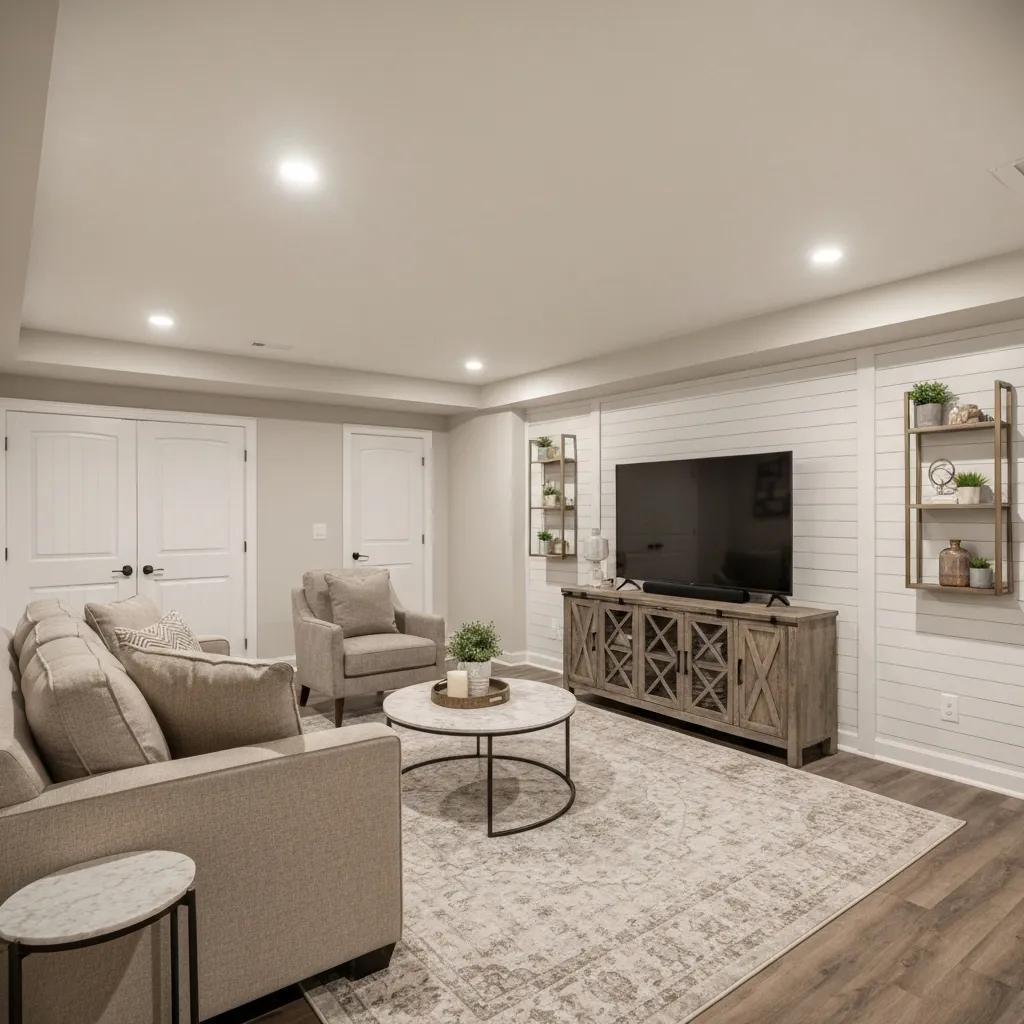
Benefits of Finishing a Basement: Transform Your Home with Basement Remodeling Perks
Homeowners who finish their basements can boost property value by up to 70 percent of their renovation costs, transforming underutilized space into a strategic asset. This article unpacks the benefits of finishing a basement by examining four core themes: why it’s worth it, how it expands living space, its impact on energy efficiency and comfort, and the customization possibilities it enables. Readers will discover how basement finishing increases home equity, unlocks versatile rooms, reduces utility expenses, and supports personalized lifestyles—while learning where to find expert basement finishing services that drive these results.
Why Is Finishing Your Basement Worth It?
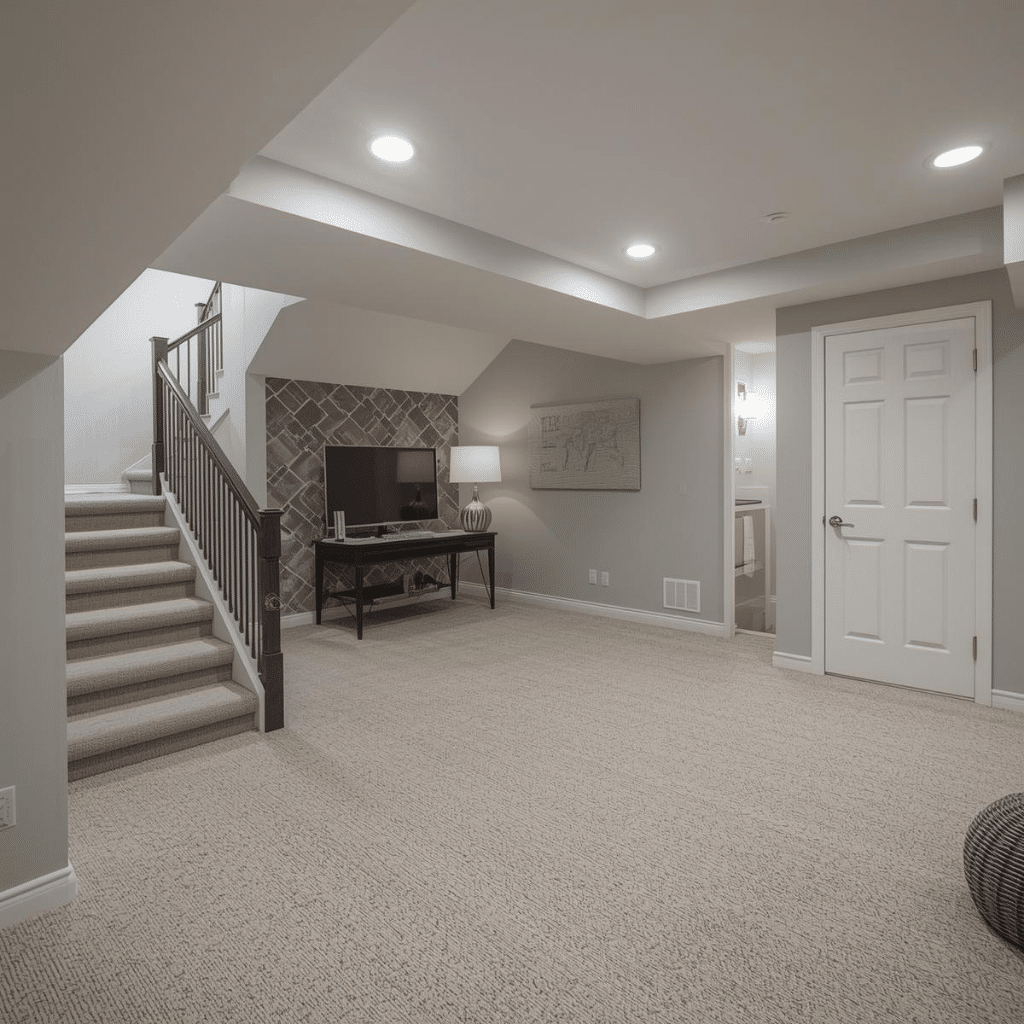
Finishing your basement delivers a compelling return by converting raw square footage into functional living areas that enhance home value and lifestyle. By adding drywall, flooring, lighting and climate control, homeowners unlock additional accommodation without the cost of an above-ground addition. Leveraging professional expertise from expert basement finishing services ensures quality finishes that appeal to buyers and occupants alike, creating immediate and lasting equity gains.
How Does Basement Finishing Increase Home Value?
Basement finishing increases home value by integrating new bedrooms, bathrooms or entertainment zones into the total square footage, which buyers prize for flexibility and practicality. Upgraded basements often appraise at the same rate per square foot as above-ground space—amplifying market appeal through added amenities and modern finishes. This additional livable area not only supports higher sale prices but also positions the property more competitively in resale listings.
What Is the Typical Return on Investment (ROI) for Basement Remodeling?
Basement remodeling typically yields a strong ROI, with average returns ranging from 60 percent to 75 percent of project cost. Basement finishing and remodeling.
Remodeling Magazine, (2017)
Basement Remodel ROI
Homeowners can typically expect a strong return on investment (ROI) from basement remodeling, with returns often ranging from 60% to 75% of the project cost. This financial benefit is realized by converting unfinished space into functional living areas, which increases home value and market appeal.
Compare common basement upgrade types:
| Project Type | Typical Cost Range | Average ROI |
|---|---|---|
| Shell-to-Finish | $20,000–$35,000 | 60–70 percent |
| Adding a Bathroom | $10,000–$25,000 | 70–75 percent |
| Adding a Bedroom | $15,000–$30,000 | 65–72 percent |
These figures illustrate how targeted investments in plumbing, lighting and finishes convert directly into property equity. Understanding these financial metrics sets the stage for exploring the broader living space benefits of a finished basement.
How Much Does It Cost to Finish a Basement?
A finished basement typically costs between $20,000 and $75,000, depending on square footage, material quality, and system upgrades.
This Old House, (2025)
Factors Affecting Basement Finishing Costs
The cost to finish a basement can range from $20,000 to $75,000, depending on factors such as square footage, material quality, and system upgrades. Key cost drivers include insulation, drywall, flooring, electrical work, and plumbing.
Key cost drivers include insulation, drywall installation, flooring selection, electrical work, and any new plumbing for added bathrooms or kitchens. Lower-cost projects focus on basic finishes and open-plan layouts, while premium conversions—featuring bespoke cabinetry, media wiring or radiant heating—sit at the higher end of the scale. Assessing local labor rates and permit requirements helps homeowners plan realistic budgets before starting construction.
How Can Basement Remodeling Expand Your Usable Living Space?
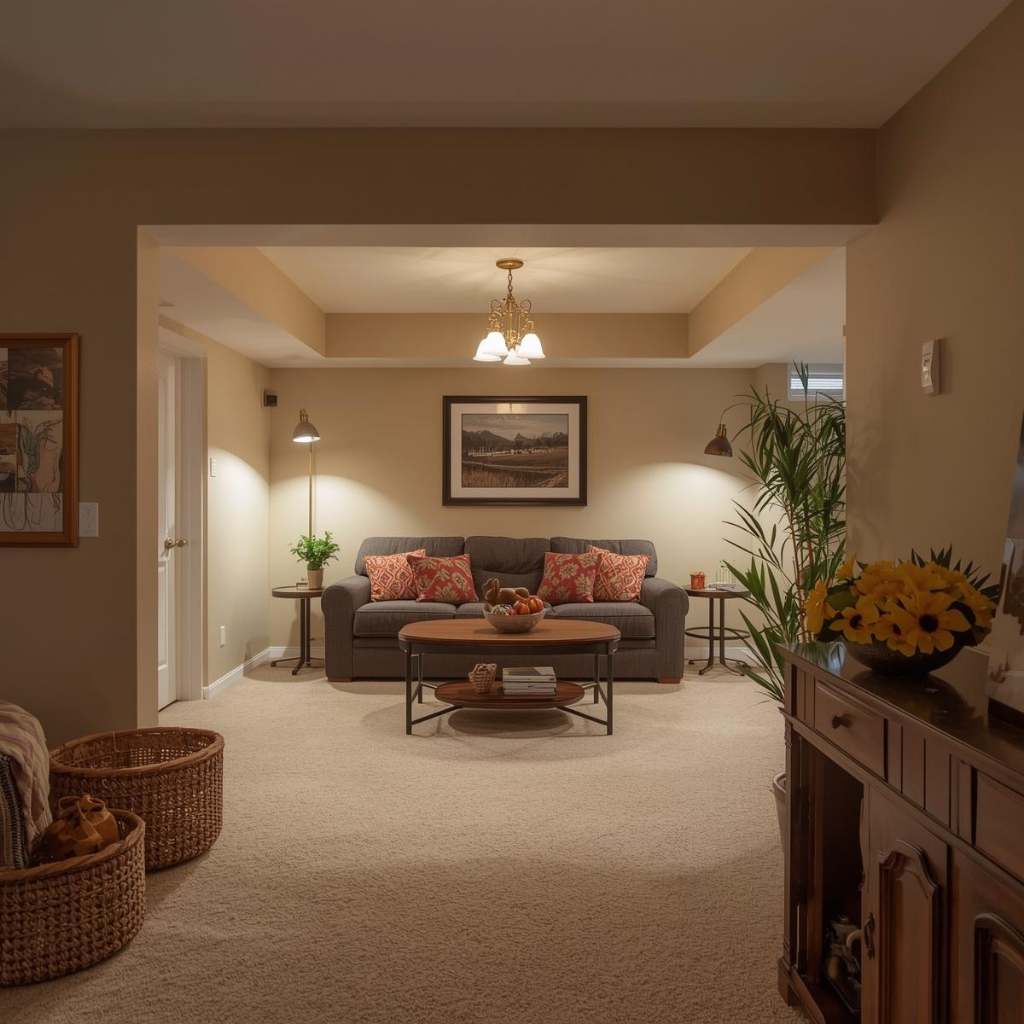
Basement remodeling provides additional functional rooms below grade, effectively extending the home’s footprint without altering its exterior. By transforming unfinished areas into tailored living zones, homeowners gain versatility and alleviate space constraints, supporting growing families and changing lifestyles. Expanded living space also enables dedicated uses that enhance daily convenience and enjoyment.
What Popular Room Conversions Can You Create in a Finished Basement?
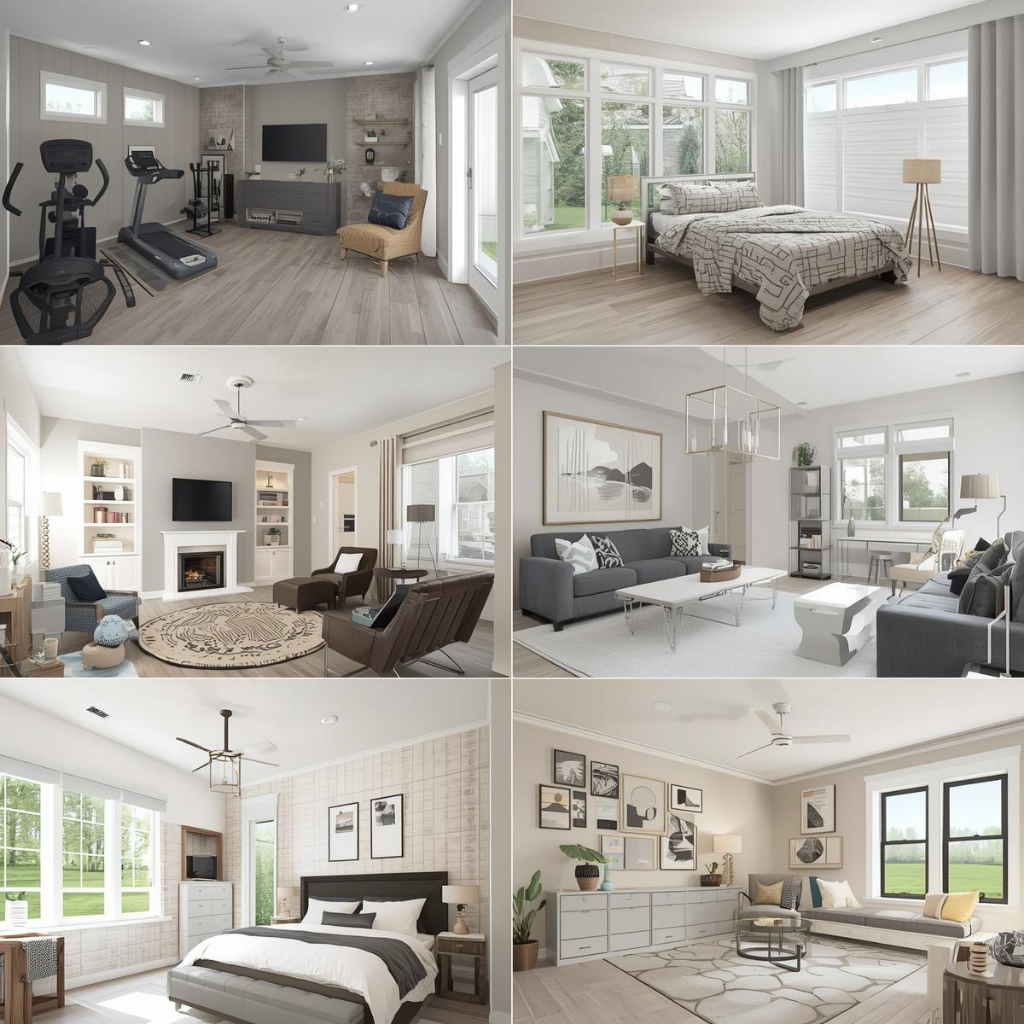
Below is a list of popular basement conversion ideas that illustrate the range of possibilities:
- A bedroom suite with egress windows to accommodate guests or teens.
- A full bathroom equipped with a shower or tub for private convenience.
- An entertainment room featuring surround-sound wiring and media seating.
- A home office with built-in desks and network access for remote work.
- A fitness area with rubber flooring and mirrored walls for workouts.
These conversions demonstrate how a basement can evolve into a multifunctional extension of main-floor living, ready to accommodate evolving household needs.
How Does a Finished Basement Support Multi-Generational Living?
A finished basement supports multi-generational living by creating self-contained in-law suites or rental apartments complete with a kitchenette, bathroom and private entrance. This arrangement promotes independence for older relatives while preserving family proximity and cohesion. Additionally, generating rental income through a basement suite further offsets renovation costs and enhances long-term financial resilience.
How Does Basement Finishing Improve Energy Efficiency and Home Comfort?

Basement finishing improves energy efficiency and comfort by sealing leaks, adding insulation and integrating climate control systems that regulate temperature and humidity. A properly finished basement reduces drafts and heat loss, lowering utility bills and creating a more stable indoor environment.
The Basement Information Centre, (2023)
Energy Efficiency and Insulation Benefits
Basement finishing improves energy efficiency and comfort by sealing leaks, adding insulation, and integrating climate control systems that regulate temperature and humidity. Properly insulated basements reduce drafts and heat loss, lowering utility bills and creating a more stable indoor environment.
These efficiency gains contribute to year-round comfort and lower operational costs.
What Insulation and Climate Control Benefits Does Basement Remodeling Provide?
Upgrading basement walls and floors with rigid foam or spray-foam insulation enhances thermal resistance (R-value), reducing heat transfer through foundation surfaces.
Installing a dedicated HVAC zone or heat pump promotes even temperature distribution, preventing cold spots and moisture buildup. Together, these measures support consistent comfort levels and reduce the energy demands on the primary heating and cooling system.
How Does a Finished Basement Contribute to a Healthier Indoor Environment?
A finished basement contributes to a healthier indoor environment by controlling humidity through vapor barriers and dehumidification, which minimize mold growth and airborne allergens. Improved ventilation systems introduce fresh air and filter particulates, enhancing air quality. These measures foster a cleaner, drier basement space that safeguards occupant health and protects structural components from water-related damage.
What Lifestyle Customizations Are Possible with Basement Remodeling?
Basement remodeling invites personalized design, enabling homeowners to craft dedicated zones that reflect individual interests and routines. Whether for relaxation, productivity or fitness, a finished basement becomes a canvas for lifestyle-driven features that elevate daily living. Customization options span media installations, specialty workflows and bespoke storage solutions.
How Can You Create Entertainment and Home Theater Spaces in Your Basement?
Creating a home theater in the basement involves installing recessed lighting, acoustic panels and projector or large-screen setups for immersive viewing. Tiered seating and integrated surround-sound speakers enhance the cinematic experience, while blackout drapes and carpeted floors optimize acoustics and comfort.
Elite HTS, (2024)
Basement Home Theater Design
Creating a home theater in the basement involves installing recessed lighting, acoustic panels, and projector or large-screen setups for immersive viewing. Tiered seating and integrated surround-sound speakers enhance the cinematic experience, while blackout drapes and carpeted floors optimize acoustics and comfort.
Such entertainment hubs transform underused basements into a primary venue for family gatherings and movie nights.
What Are the Benefits of Adding a Home Office or Gym in Your Basement?
A basement office provides a quiet, distraction-free workspace separated from main-floor activities, boosting productivity and work-life balance. You can find more about basement finishing options to maximize your space.
Honey-Doers, (2021)
Benefits of a Basement Home Office
A basement office provides a quiet, distraction-free workspace separated from main-floor activities, boosting productivity and work-life balance. The separation from main living areas can help maintain a healthy work-life balance.
Similarly, a basement gym outfitted with cardio and strength equipment promotes regular exercise without the overhead of a commercial membership. Both setups leverage private square footage to support focused routines and healthy habits.
What Are the Key Advantages of a Finished Basement?
A finished basement delivers four key advantages: increased market appeal, expanded functional space, improved energy efficiency, and tailored lifestyle amenities. These combined benefits not only elevate daily living but also maximize long-term property value. Homeowners gain flexibility and financial leverage by converting unfinished areas into strategic assets that align with both personal needs and resale preferences.
How Does Finishing Your Basement Increase Your Home’s Market Appeal?
Finishing a basement increases market appeal by offering prospective buyers clear, move-in-ready space that addresses common demands for extra bedrooms, bathrooms or entertainment areas. A tastefully finished lower level distinguishes a property in competitive markets and often accelerates sale timelines. This tangible demonstration of usable square footage directly correlates with higher listing values and buyer interest.
What Are Common Disadvantages or Considerations When Finishing a Basement?
Common considerations when finishing a basement include potential moisture issues, required egress windows for safety compliance, and zoning or permit costs.
Addressing water intrusion and proper drainage during planning prevents long-term damage, while meeting local building codes ensures legal occupancy.
Awareness of these factors helps homeowners mitigate risks and plan for maintenance, safeguarding both comfort and investment returns.
Finishing a basement transforms neglected square footage into valuable living space that boosts home equity, supports diverse functions and enhances comfort. By investing in professional finishing services, homeowners unlock substantial ROI, reduce energy costs, and create personalized rooms that adapt to evolving needs. With careful planning around insulation, moisture control and local regulations, a finished basement becomes a strategic upgrade that pays dividends in market appeal and daily enjoyment.